The contemporary Marbella villa: how to tell a good one from a mediocre one
Summary
Discover how to distinguish a quality contemporary Marbella villa from a mediocre one. Learn what to look for in proportion, ceiling height, site integration, junctions, materials, and climate responsiveness.
Key Takeaways
- Contemporary Marbella villas often look similar due to a common template, but quality varies significantly.
- Key differentiators include proportion, ceiling height, how the house integrates with the slope, material junctions, and the quality of construction.
- Essential tests for a good villa involve its performance on a hot August afternoon (shade, ventilation) and a wet February evening (insulation, heating).
Stand in three new villas in one afternoon and you may struggle to tell them apart afterwards. White render, sharp horizontal lines, glass from floor to ceiling, an infinity pool cantilevered towards the sea, a basement with a cinema and a gym, and a kitchen island the size of a small boat.
This is not a criticism of the style, which at its best is superb and suits the climate and the light better than anything that came before it. It is an observation about consistency. The contemporary Marbella villa has become a template, and templates are easy to follow badly. Two houses can share every item on the specification list and be entirely different places to live.
The differences are learnable. They sit in proportion, in how the building meets the ground, in how the glass is shaded, in the quality of the junctions where materials meet, and above all in whether anyone thought about what the house is like on a hot afternoon in August and a wet evening in February. Most of them can be assessed on a viewing without any technical knowledge, provided you know what you are looking at.
This guide sets out what to look for.

Why they all look alike
The style descends from mid-century modernism by way of a particular strand of Spanish and Portuguese contemporary architecture, and it arrived on this coast properly in the 2000s before becoming dominant after 2014.
Its appeal is genuine. Open plan suits how people live now. Large glazing suits a place with this much light and these views. Flat roofs give you terraces and solariums. Clean lines photograph superbly, which matters in a market where most buyers see a house online before they see it in person.
The problem is that the template is also cheap to imitate. Rendered blockwork, aluminium frames, porcelain floors and a rectangular pool will produce something that reads as a modern villa in photographs at a fraction of the cost of building one properly. That is why the market now contains a great many houses that look similar and perform very differently.

Architect-designed villa or developer-built villa?
Six things separate them, and you can see all six on a viewing.
Proportion. Good contemporary architecture is fundamentally about the relationship between volumes: how wide against how tall, how solid against how open, how the cantilever relates to what supports it. Developer-modern tends toward the generic rectangle, sometimes with a random projecting box added for interest. Stand back from the front elevation and ask whether the shapes feel considered or assembled.
Ceiling height. This is the single most reliable indicator and the hardest to fake, because height costs money at every stage. Generous ceilings make a room feel calm and expensive; standard ones make even a large room feel ordinary. Compare two living rooms of the same floor area with different ceiling heights and the difference is immediate.
How the house sits on the slope. On a hillside plot, a well-designed house steps down with the terrain, so the levels feel like a response to the site. A poorly designed one is a rectangle cut brutally into the hill, generating retaining walls, dead basement space and a garden nobody uses. Look at what happens behind and beside the house, not just at the view side.
The junctions. Where the glass meets the floor, where the wall meets the ceiling, where the render meets the stone. Good architecture resolves these cleanly: shadow gaps, flush thresholds, minimal frames. Cheaper construction covers them with trims and beading. This is the detail professionals look at first, and once you notice it you cannot stop.
Materials with depth. Real stone, real timber, honest metal, and finishes that will develop rather than degrade. Compare that with high-gloss lacquer, thin porcelain and applied stone cladding, which look identical in photographs and age at very different rates.
Where the money went. Some houses spend it on the things you notice later: insulation, glazing quality, air conditioning plant, the pool structure. Others spend it on the things you notice immediately: the LED strips, the wine wall, the entrance chandelier. You want the first, and the first is largely invisible, which is why it gets skipped.

How a villa performs in summer
This is where beautiful houses fail, and it is almost entirely about shade.
The sun in July and August is high and ferocious. A south-facing wall of glass with nothing above it turns the room behind it into a greenhouse, and the air conditioning then spends the afternoon fighting the building. West-facing glass is worse, because the low evening sun comes in horizontally and no roof overhang stops it.
What to look for:
- Deep terraces and overhangs above the main glazing, which shade the glass when the sun is high and admit it when the sun is low in winter. This is passive design and it is free to run.
- Solar control glazing, which reduces heat gain without the mirrored look.
- External shading: pergolas, brise-soleil, sliding screens, mature trees. External shade works far better than internal blinds, which stop the light after the heat is already inside.
- Cross ventilation. Can you open the house on two sides and get air through it, or is it sealed and dependent on the machinery?
- Thermal mass. Heavy construction absorbs heat during the day and releases it at night, which is why old Andalusian houses with thick walls stay cool. Lightweight construction does not.
The practical test on a viewing: go in the afternoon, in summer if you possibly can, and stand in the main living space with the air conditioning off for five minutes. You will know.
How a villa performs in winter
Almost nobody applies this one, and it is where the winter half of the question sits.
Marbella winters are mild by northern European standards and are not nothing. Nights fall into single figures, January and February bring real rain, and the sea breeze off a wet garden is colder than the thermometer suggests. Houses at elevation, in Benahavís or on the hillsides, are noticeably cooler than the coast. And a very large volume of glass loses heat quickly once the sun goes down.
The problem is that Spanish construction historically assumed nobody would be here in winter. A great many houses, including expensive ones, were built with minimal insulation, single glazing and heating systems that amount to running the air conditioning in reverse. That produces cold floors, condensation on the glass, damp in the corners of north-facing rooms, and an electricity bill that shocks people in their first January.
What a well-built contemporary villa does instead:
Underfloor heating. The single biggest difference to winter comfort here, and now close to standard in new construction. It heats the surface you are in contact with, works well with the stone and porcelain floors everyone wants, and is invisible.
Zoned control. More important in Marbella than in most places, because the houses are large and used unevenly. Heating a 700 square metre villa uniformly to keep two people comfortable is enormously wasteful. Zoning by room, with automation and pre-setting, means you condition the gym while it is being used and the bedrooms before you go up, rather than the entire house all day. Ask specifically whether the system is zoned or whether it treats the house as one space.
Insulation and glazing. Double or triple glazing with a thermal break in the frames, and proper insulation in walls and roof. Ask what is there. On an older house, this is the single most valuable thing a renovation can address.
Winter sun. A living room with large south-facing windows collects free heat all winter, which is the same glazing that needs shading in August. That is precisely why the overhang matters: it should exclude the high summer sun and admit the low winter one.
A fireplace, or something like it. Increasingly a gas fireplace rather than wood, and less about output than about the room feeling like somewhere you want to sit in January.
Heated pools and indoor water. A pool is unusable from November to April unless heated, and heating an outdoor pool through winter is expensive unless it is covered. Some houses solve this with a heated indoor pool, sauna and steam room, which turns the winter months from something to endure into a reason to be here. Our guide to private spas covers what that involves and what it costs to run.
Damp and ventilation. Coastal humidity plus a closed-up house equals mould. Look in the corners of north-facing rooms, behind furniture on external walls and inside built-in wardrobes.
The practical test: ask the owner or agent what the house costs to heat in January, and ask to see a bill. The answer, or the reluctance to answer, tells you a great deal.
The technology, and what actually matters
Every new villa here is now marketed as a smart home. The phrase covers everything from a genuinely integrated building to a handful of app-connected gadgets, and the difference is worth understanding before you pay for it.
Wired systems against add-on devices. A properly specified house uses a wired control system, typically KNX, or a proprietary platform such as Control4, installed at construction and integrated into lighting, climate, blinds, security, audio and the pool. Koolnova and similar systems handle zoned climate specifically. These are building services, they are commissioned by a professional, and they work as one thing. At the other end sit wireless plugs, app-controlled thermostats and a video doorbell, which are useful and are not the same product. Both get described as smart in a listing.
The question to ask is who maintains it. An integrated system needs an integrator: someone who holds the programming, can reconfigure it when you change something, and is still trading in five years. Ask who commissioned the system, whether the programming files are available, and who supports it now. A sophisticated house whose installer has disappeared is a house where nobody can change the lighting scenes.
Obsolescence is real. Automation ages faster than buildings. Systems installed a decade ago are frequently orphaned, running on hardware that is no longer supported and interfaces that look their age. This is an argument for open standards such as KNX over closed ecosystems, and an argument against paying a large premium for technology in a resale house. Assume you will replace the control layer at some point, in the way you would assume replacing a boiler.
Where it genuinely earns its keep is in a second home. Remote climate control, so the house is comfortable when you land rather than after six hours. Leak detection, which matters enormously in an unoccupied house. Remote security and camera access. Pool and irrigation control. Being able to see that the house is at 18 degrees and dry in February from another country is worth more than any lighting scene.

Solar, aerothermal and what a good energy rating means
The sustainability story here is real and it is also oversold, so it is worth separating the two.
Aerothermal systems for heating, cooling and hot water are now close to standard on new build, and they are genuinely efficient in this climate, where the air stays mild enough for a heat pump to work well most of the year. They are the single most consequential piece of equipment in the house for running costs.
Solar generation works better here than almost anywhere in Europe, and pairs well with a load that is largely daytime: pool pumps, air conditioning, and, on a big house, a substantial baseline. Battery storage extends that into the evening, at a cost that has been falling. On a villa of this scale, the payback arithmetic is usually favourable, though it depends on consumption rather than on the panel count.
Energy certificates are worth understanding properly. Spanish properties are rated from A to G, and a rating of A or B on a large coastal villa with a lot of glazing is a genuine achievement rather than a formality. But the certificate is a calculation based on the building's specification, not a measurement of how it actually performs, and it says nothing about how the house is used. A rated house run badly can cost more than a B rated house run sensibly.
So ask for the certificate, and then ask for the electricity bills. The gap between the two is where the truth lives, and an owner who has them to hand is usually an owner with nothing to hide.
The honest counterweight. A 900 square metre villa with a heated pool, air conditioning throughout and a basement spa is not a low-impact building, however many panels are on the roof. Efficiency here reduces the running cost and the footprint of an inherently large house; it does not make it a small one. That is a perfectly reasonable thing to buy, and the marketing language of conscious luxury tends to obscure it. What efficient specification genuinely delivers is lower bills, better comfort, less noise, and a property that will be easier to sell as energy performance becomes a standard question rather than a selling point.

What reveals the age of a villa
The details that fix a villa to a three-year window, roughly in order of how badly they age:
- LED strip lighting in coves, under counters and around ceilings, particularly in colour. The high-water mark of 2015 to 2019.
- High-gloss white lacquer on kitchens and joinery.
- Very large format grey porcelain floors with minimal grout, everywhere, including outside.
- Feature walls in backlit onyx or applied stone slips.
- Glass balustrades with chunky point fixings, as against minimal channel-set frameless.
- Curved-corner sofas and furniture bought as a package with the house.
- Statement chandeliers in double-height entrance halls.
What ages well is duller and more expensive: good proportions, natural materials, restrained lighting, and detail that does not announce itself. The same principle as with kitchens, where wood-tone has now replaced white as the leading finish and the gloss of the last cycle looks distinctly of its period. Our guide to kitchens in Marbella sets that out.
What to check on a viewing
- Ceiling heights, compared honestly between the houses on your shortlist.
- The junctions, at floor, ceiling and around the glazing.
- The overhangs, and whether the main glass is shaded when the sun is high.
- Which way the main living space faces, and what that means at four in the afternoon in July.
- The heating system: underfloor or not, zoned or not, and what it costs to run.
- The glazing: double or triple, thermally broken frames, solar control.
- Insulation, which you cannot see, so ask, and ask for the energy certificate.
- Actual annual consumption, which is more informative than any specification list.
- The north-facing rooms, for damp, condensation and cold.
- What is behind the house on a sloping plot, not just the view in front.
- The plant room, its size and the age and quality of the equipment in it.
Frequently asked questions
Why do all the new villas in Marbella look the same?
Because the contemporary style became dominant after 2014 and is cheap to imitate at a superficial level. Rendered blockwork, aluminium frames and large glazing produce something that reads as a modern villa in photographs for a fraction of what it costs to build one properly.
How can I tell build quality on a viewing?
Look at ceiling heights, at the junctions where materials meet, and at whether the money went into insulation, glazing and plant rather than into visible features. Specification lists are close to useless for this, because they all say the same things.
Are large glass houses uncomfortable in Marbella?
They are if the glass is not shaded. Deep overhangs, external shading and solar control glazing make them work; unshaded south and west glazing makes them expensive to cool and unpleasant on an August afternoon.
Is Marbella cold in winter?
Mild, but real. Nights drop into single figures, January and February are genuinely wet, and elevated positions are cooler than the coast. A well-insulated house with underfloor heating is comfortable. A poorly insulated glass house is not, and it is expensive.
What heating should a Marbella villa have?
Underfloor heating with zoned control is the standard to look for, ideally on an aerothermal or heat pump system. Zoning matters particularly here because the houses are large and used unevenly.
Should I buy a modern villa or a traditional Andalusian one?
The contemporary style suits the light and the way people live now, and it is what most buyers want, which supports resale. A well-built traditional villa on a good plot has thick walls, deep shade and real thermal mass, and can be considerably more comfortable in August. It may also be cheaper, precisely because everyone is chasing the other look.
What is the difference between a smart home and a house with smart devices?
An integrated house uses a wired system such as KNX or Control4, commissioned at construction and controlling lighting, climate, blinds, security and the pool as one thing. A house with smart devices has app-connected thermostats and plugs added afterwards. Both get called smart in listings, and they are not the same purchase.
Does a good energy rating mean low running costs?
Not by itself. Spanish certificates run from A to G and are calculated from the building's specification rather than measured from its use. An A or B on a large glass villa is a real achievement, but ask for the actual electricity bills alongside the certificate.
Are solar panels worth it on a Marbella villa?
Usually, on a house of this scale. The climate suits generation, and the load is largely daytime, pool pumps and cooling in particular. Battery storage extends the benefit into the evening. The arithmetic depends on your consumption rather than on the number of panels.
What dates a contemporary villa fastest?
Coloured LED strip lighting, high-gloss white lacquer, very large format grey porcelain everywhere, backlit onyx feature walls and statement chandeliers. Natural materials, good proportions and restrained detail age far better.
Our view
The best contemporary villas we see are rarely the most photogenic ones. They are the ones where somebody thought about the sun.
That means glass positioned and shaded deliberately rather than maximised. Ceilings high enough to make the rooms feel calm. Levels that follow the slope instead of fighting it. Materials that will look better in ten years rather than worse. And a heating and cooling system designed around a large house being used by a small number of people, which is how these houses are actually occupied.
Where we would push back is on the assumption that newer automatically means better. A 2021 developer villa with thin insulation, unshaded west glazing and a single-zone system is a worse house to live in than a well-built 2005 one that was designed with some thought, whatever the brochures suggest. Equally, a traditional Andalusian house with deep loggias and thick walls solves the August problem in ways the glass box has to spend money to replicate.
The test we would apply to any house on this coast is simple, and it has two halves. Would you want to be in this room at four o'clock on an August afternoon? And would you want to be in it at seven o'clock on a wet evening in February? A house that passes both was designed by someone paying attention. Most only pass one.

Discover contemporary villas in Marbella
If you are comparing contemporary villas, the useful conversation is about the things the photographs cannot show: how the house is oriented, what it costs to run, what the insulation and glazing actually are, and whether the design will still look considered when you come to sell.
Contemporary Villas for sale in Marbella
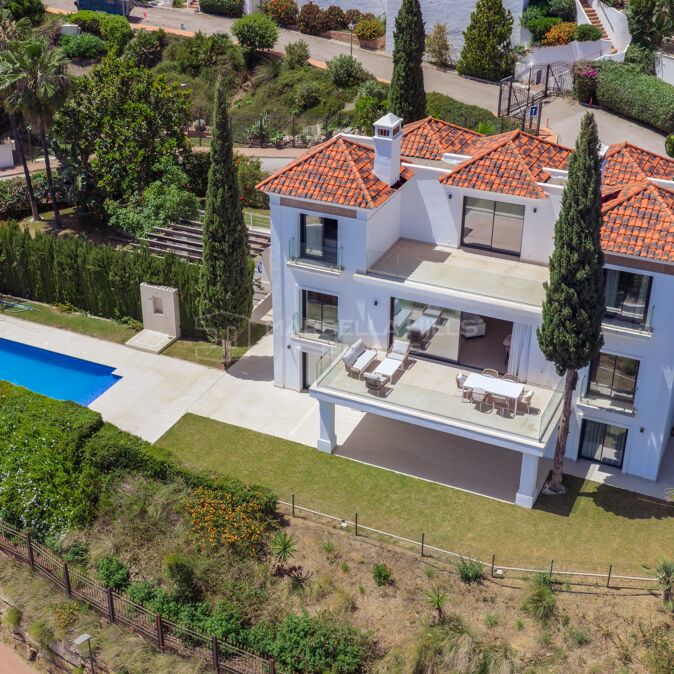
Exclusive Luxury Villa for Sale in La Mairena with Panoramic Sea Views and 7,793 m² Estate
La Mairena, Marbella Este €2,800,000Set within the beautiful natural surroundings of La Mairena, in the hills above Elviria in East Marbella, this exceptional five-bedroom…
- View Property
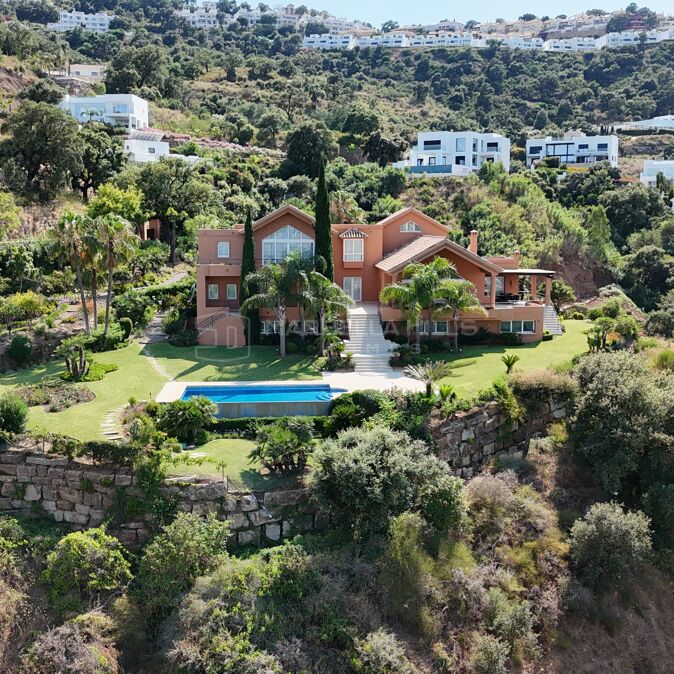
Spacious Five-Bedroom Villa with Panoramic Coastal Views in El Rosario, Marbella East
El Rosario, Marbella Este €3,100,000Enjoying an elevated position in the established residential area of El Rosario, Marbella East, this impressive five-bedroom detached villa offers…
- View Property
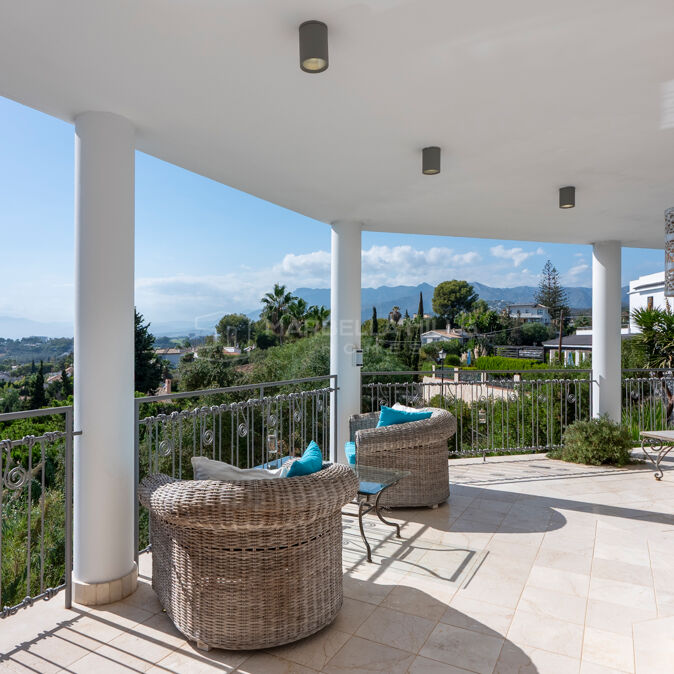
Exceptional Contemporary Luxury Villa Under Construction in Nueva Andalucía, Marbella
Nueva Andalucia, Marbella €5,990,000Discover an exceptional contemporary luxury villa for sale in Nueva Andalucía, ideally positioned in Marbella's prestigious Golf Valley, just minutes…
- View Property
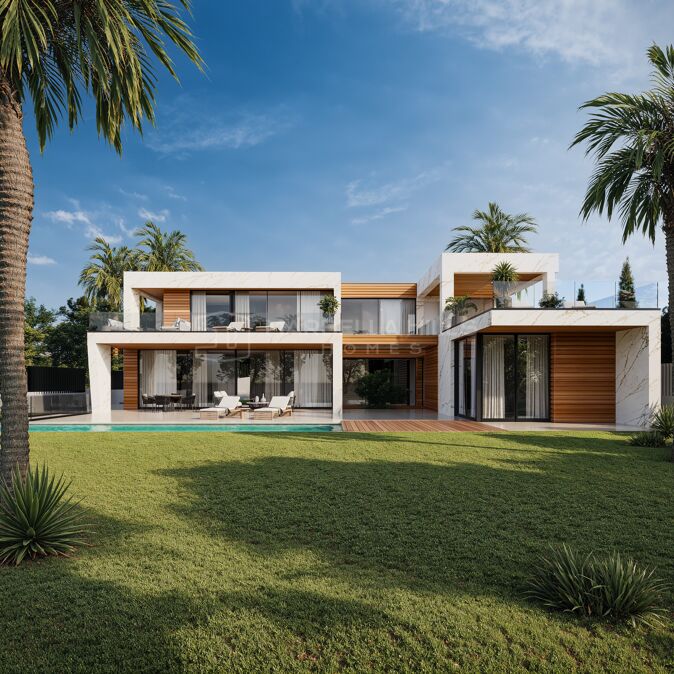
Fully Renovated Villa with Sea Views for Sale in Elviria, Marbella East
Elviria, Marbella Este €2,750,000This beautifully renovated five-bedroom villa for sale in Elviria, Marbella East offers contemporary Mediterranean living in one of the area’s…
- View Property
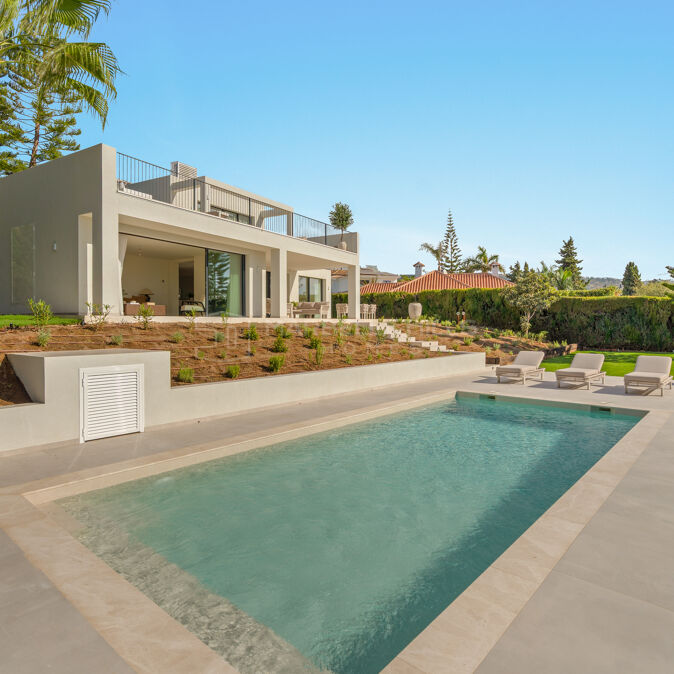
Exclusive Contemporary Villas for Sale in Cortijo Blanco, San Pedro de Alcántara
Cortijo Blanco, San Pedro de Alcantara €4,700,000Just 140 metres from the beach, this exclusive collection of four contemporary villas offers an exceptional opportunity to own a…
- View Property
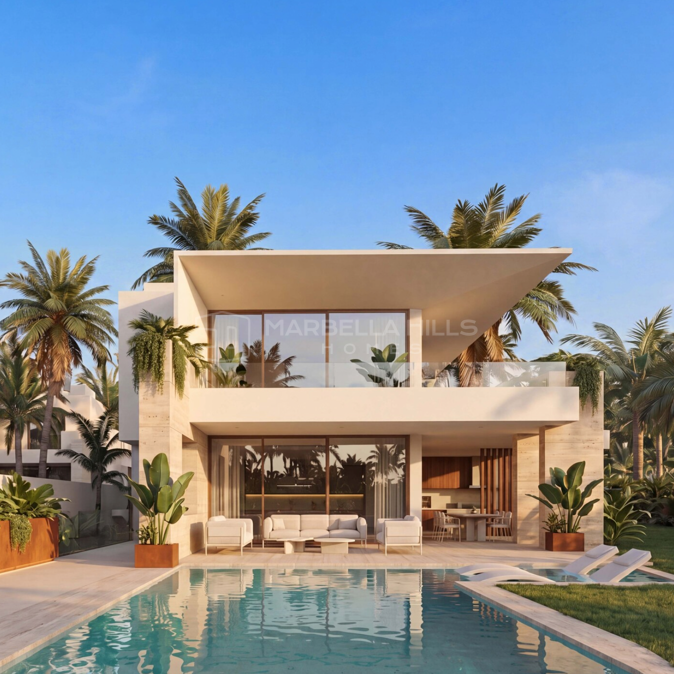
Contemporary 5 bedroom Villa for Sale in a Gated Community in Nueva Andalucía, Marbella
Nueva Andalucia, Marbella €4,295,000Located in the exclusive gated community of Haza del Conde, in the heart of Nueva Andalucía’s prestigious Golf Valley, this…
- View Property
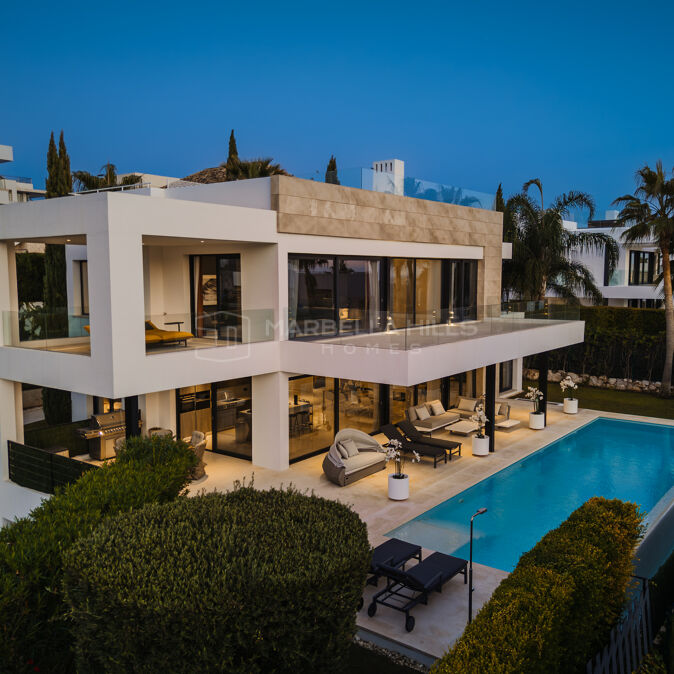
Andalusian Villa for Sale in El Madroñal, Benahavís with Panoramic Sea and Mountain Views
El Madroñal, Benahavis €3,395,000Set in the peaceful hills of El Madroñal in Benahavís, this elegant Andalusian villa combines generous proportions, traditional Mediterranean architecture…
- View Property
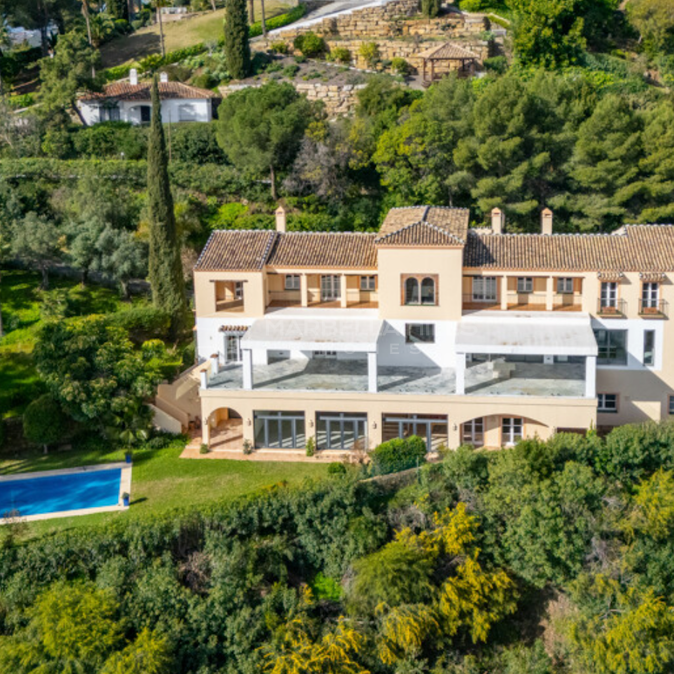
Exceptional 5 bedroom Luxury Villa for Sale in Sotogrande with Panoramic Sea and Golf Views
La Reserva, Sotogrande €12,500,000Villa Watchtower is an exceptional contemporary residence designed by ARK Architects in La Reserva, one of Sotogrande’s most prestigious residential…
- View Property
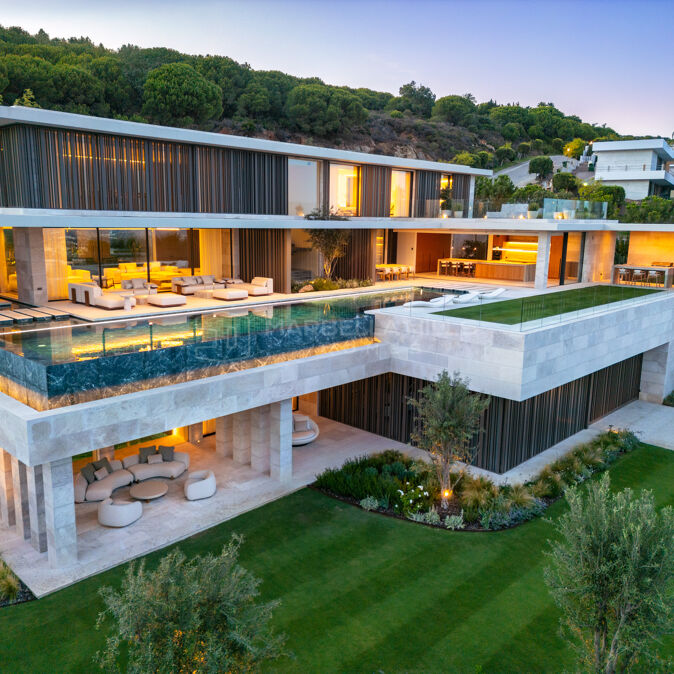
UNO Marbella Garden House for Sale on the Golden Mile
Beach Side Golden Mile, Marbella Golden Mile Price on applicationUNO Marbella Garden House 1 offers the scale, privacy and lifestyle of a contemporary villa within one of the most…
- View Property
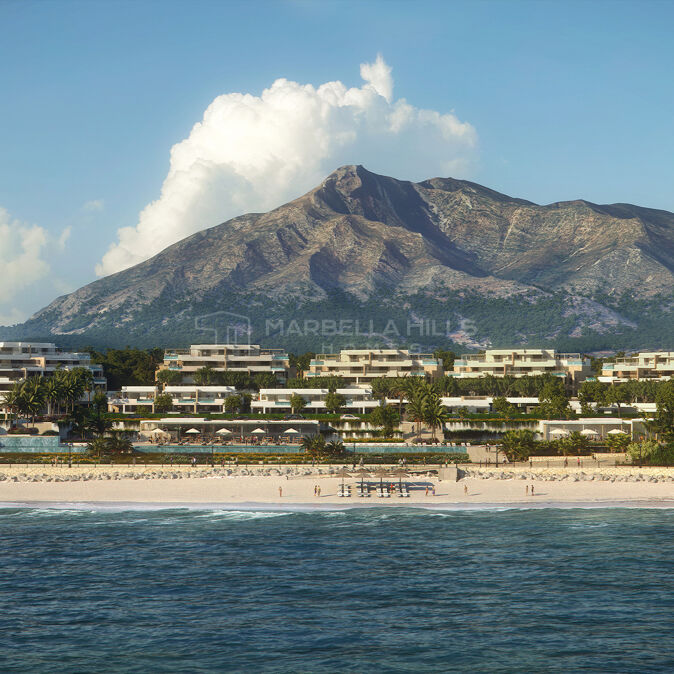
Brand New Villa for Sale in Nagüeles on Marbella’s Golden Mile
Rocio de Nagüeles, Marbella Golden Mile €4,995,000Set in the prestigious residential area of Rocío de Nagüeles, this brand new villa for sale in Nagüeles combines contemporary…
- View Property
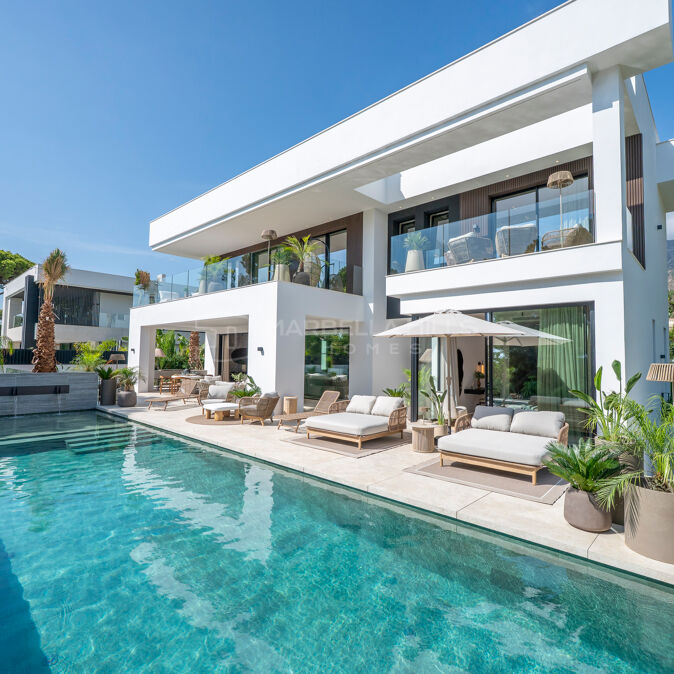
Contemporary Villa for Sale in El Paraíso with Panoramic Golf and Sea Views
El Paraiso, Estepona East €3,749,500Set in the established residential area of El Paraíso, this luxury contemporary villa for sale combines striking modern architecture with…
- View Property
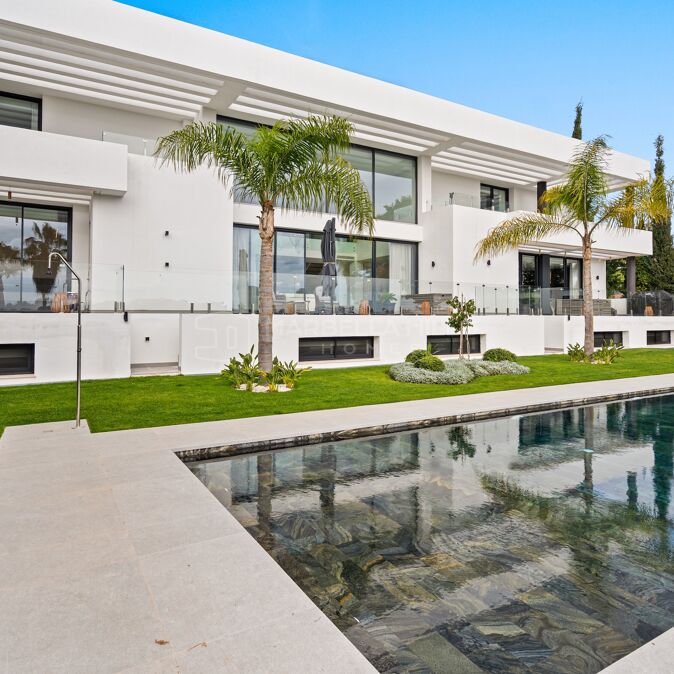
Villa for Sale in Los Arqueros, Benahavís with Panoramic Sea and Golf Views
Los Arqueros, Benahavis €2,300,000Set in an elevated and particularly private position, this spacious villa for sale in Los Arqueros, Benahavís enjoys panoramic views…
- View Property

Renovated Villa for Sale in Sierra Blanca, Marbella with Sea Views
Balcones de Sierra Blanca, Marbella Golden Mile €1,795,000Villa Verano is an elegant villa for sale in Sierra Blanca, one of Marbella’s most prestigious residential areas. Set on…
- View Property
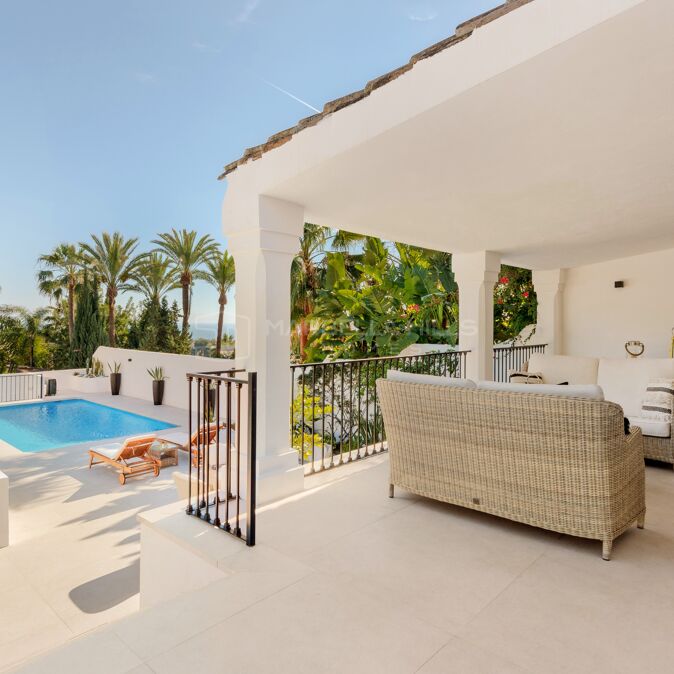
Hillside Luxury Villa for Sale in Real de La Quinta, Benahavís with Sea Views
Real de La Quinta, Benahavis €6,950,000This exceptional luxury villa for sale in Real de La Quinta, Benahavís, has been designed around its privileged hillside setting,…
- View Property
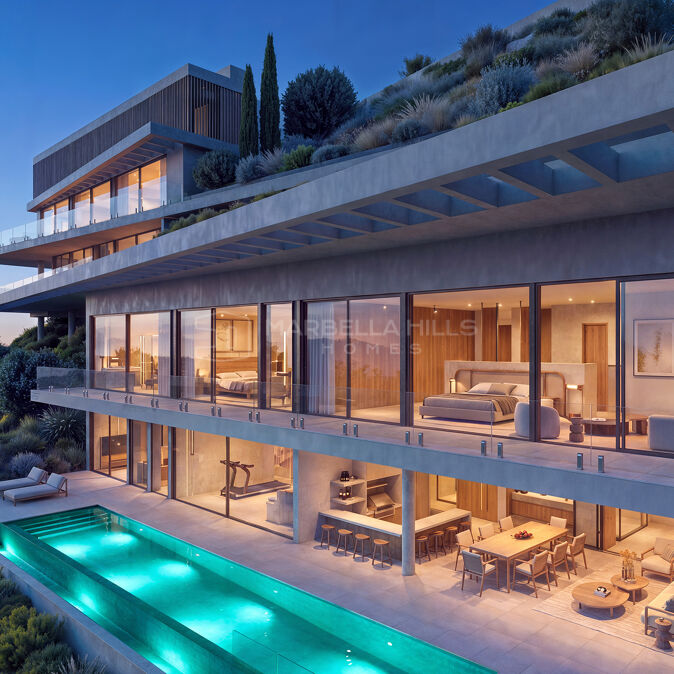
Architectural Luxury Villa for Sale in Real de La Quinta, Benahavís
Real de La Quinta, Benahavis €7,250,000This exceptional luxury villa for sale in Real de La Quinta, Benahavís, combines contemporary architecture with a spectacular elevated setting…
- View Property
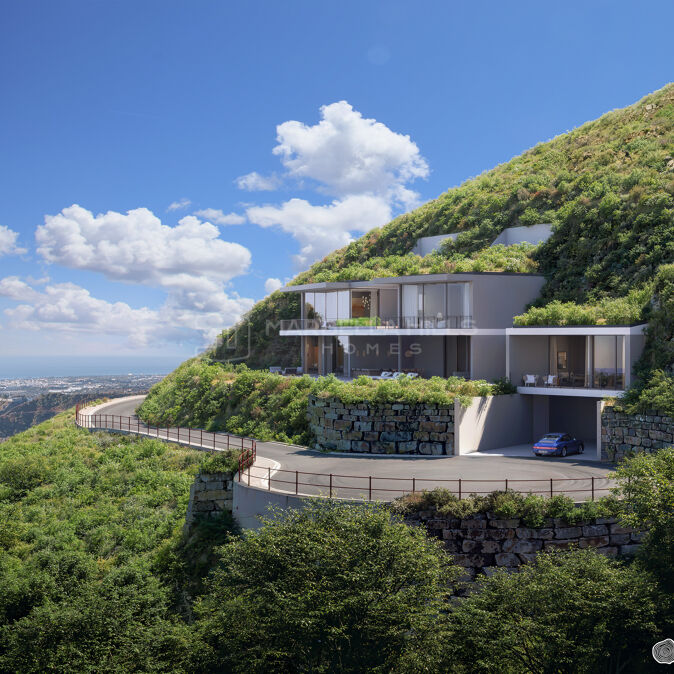
Luxury Villa for Sale in Real de La Quinta, Benahavís with Panoramic Sea Views
Real de La Quinta, Benahavis €7,450,000This exceptional luxury villa for sale in Real de La Quinta, Benahavís, combines striking contemporary architecture with an elevated natural…
- View Property
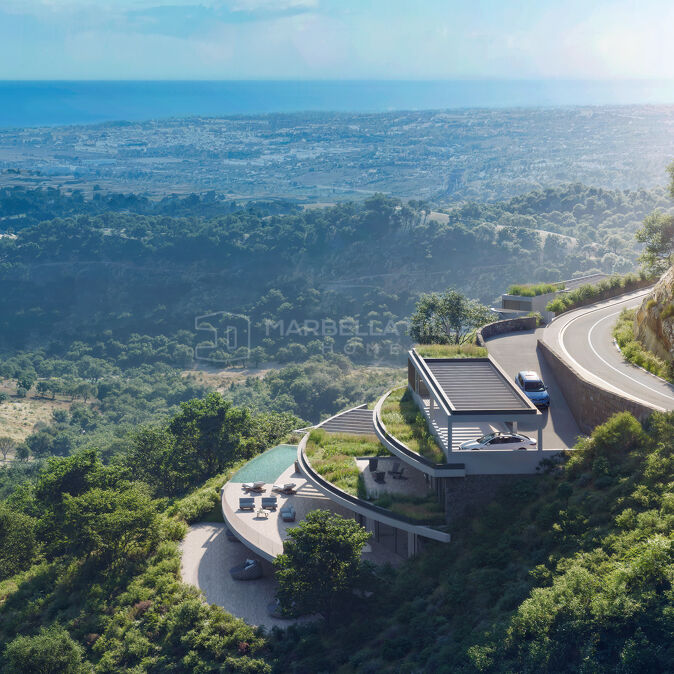
Villa for Sale in Marbella Club Golf Resort, Benahavís with Panoramic Golf Views
Marbella Club Golf Resort, Benahavis €3,900,000Villa Solis is a contemporary villa for sale in Marbella Club Golf Resort, an exclusive residential community in the hills…
- View Property
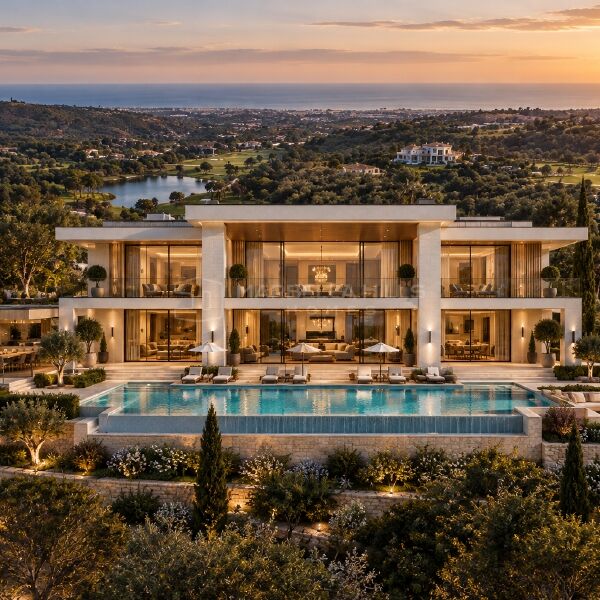
Semi-Detached Villa for Sale in Meisho Hills, Sierra Blanca, Marbella
Meisho Hills, Marbella Golden Mile €3,800,000This exceptional corner semi-detached villa for sale in Meisho Hills is located in Sierra Blanca, one of the most prestigious…
- View Property
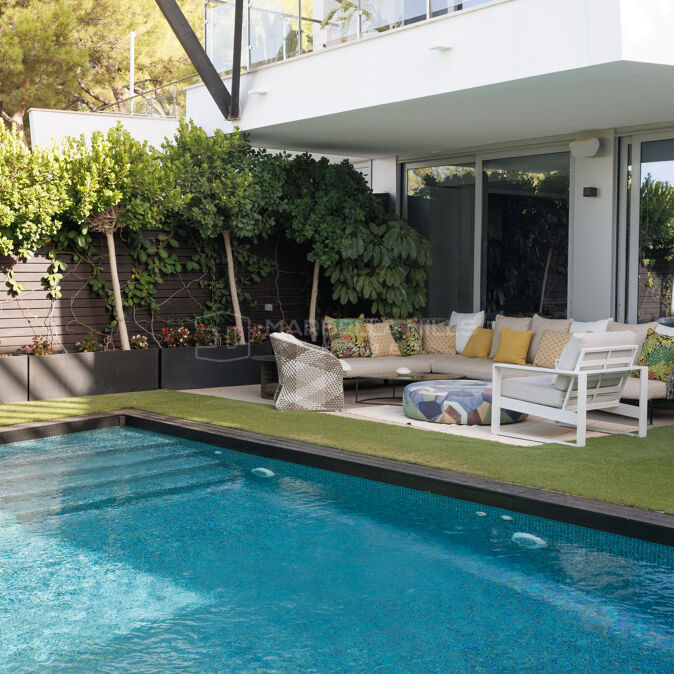
Luxury Villa for Sale in Nueva Andalucía with Panoramic Sea and La Concha Views
Nueva Andalucia, Marbella €9,980,000Set in the heart of Nueva Andalucía, this exceptional six bedroom villa combines contemporary Mediterranean interiors with Andalusian character and…
- View Property
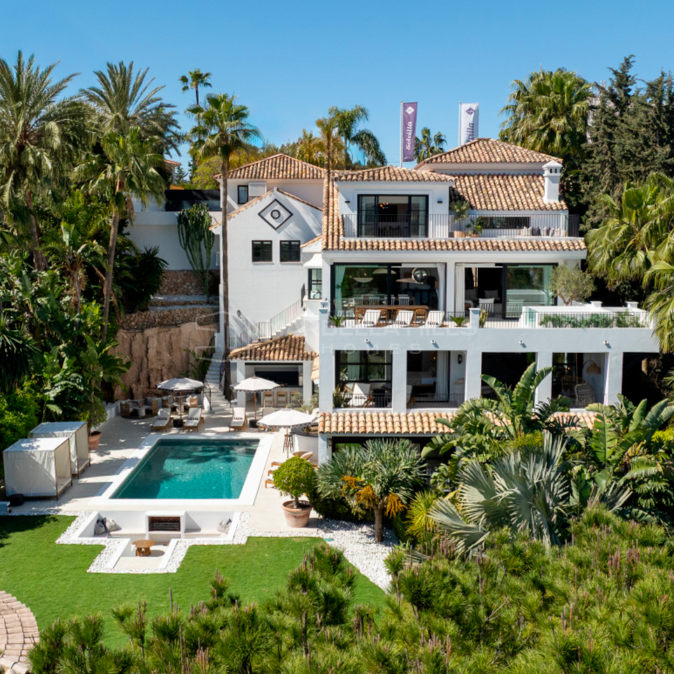
Elegant contemporary Villa for Sale in Nueva Andalucía Golf Valley, Marbella
Nueva Andalucia, Marbella €5,500,000Set in the heart of Nueva Andalucía’s Golf Valley and within walking distance of Los Naranjos Golf Club, this contemporary…
- View Property
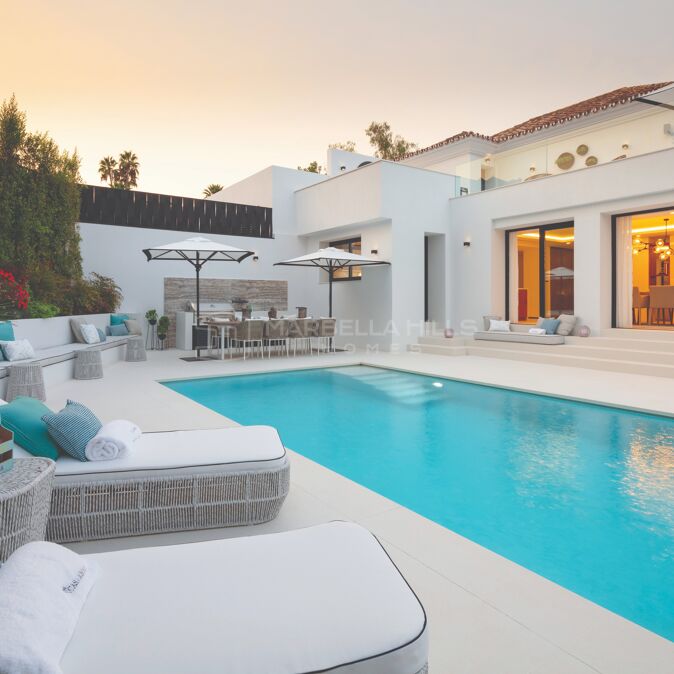
Luxury French-Inspired villa for sale in Nueva Andalucía’s Golf Valley
Nueva Andalucia, Marbella €5,495,000Villa Amelie is an exceptional luxury villa for sale in Nueva Andalucía’s Golf Valley, combining French-inspired architecture with Mediterranean influences…
- View Property
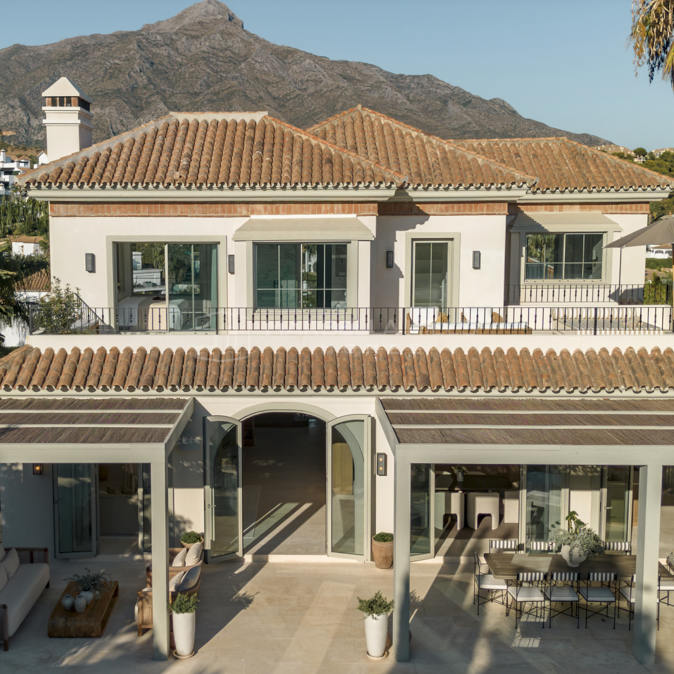
Contemporary Villa for Sale in Altos de los Monteros, Marbella with Panoramic Sea Views
Los Altos de los Monteros, Marbella Este €9,200,000Set in the hills of Altos de los Monteros, this exceptional contemporary villa for sale in Marbella was designed by…
- View Property
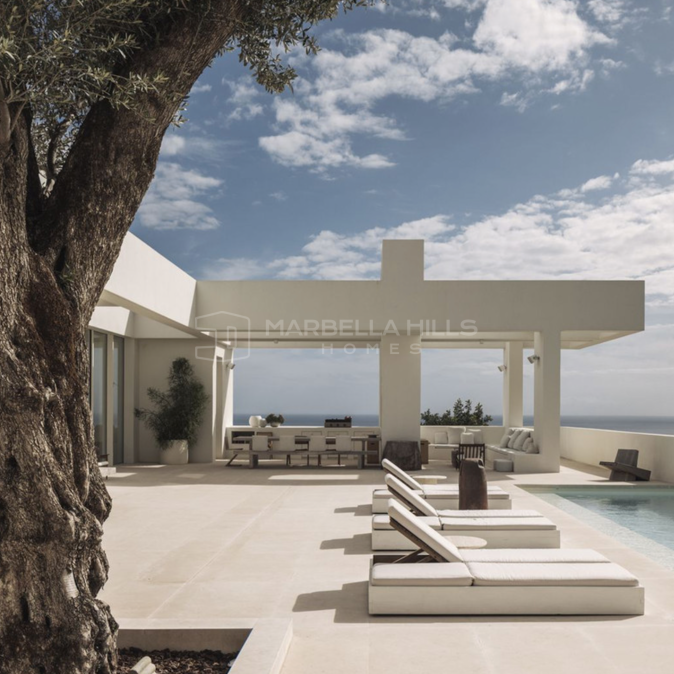
Renovated Mediterranean Villa for Sale in Nueva Andalucía, Marbella
Nueva Andalucia, Marbella €3,495,000Villa Blanc is a beautifully renovated Mediterranean villa for sale in Nueva Andalucía, set on a generous double plot of…
- View Property
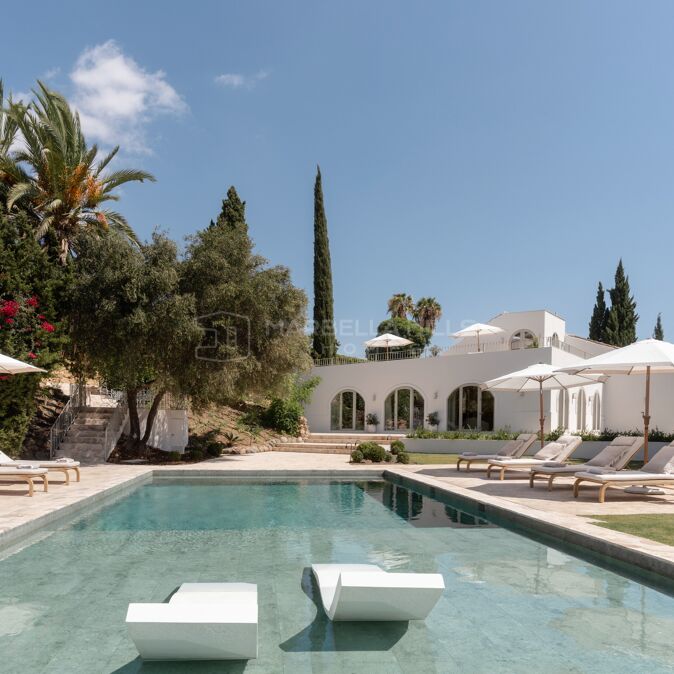
Renovated Villa for Sale in Guadalmina Alta, Marbella
Guadalmina Alta, San Pedro de Alcantara €2,995,000This beautifully renovated four-bedroom villa for sale in Guadalmina Alta combines contemporary Mediterranean design, generous outdoor living and views of…
- View Property
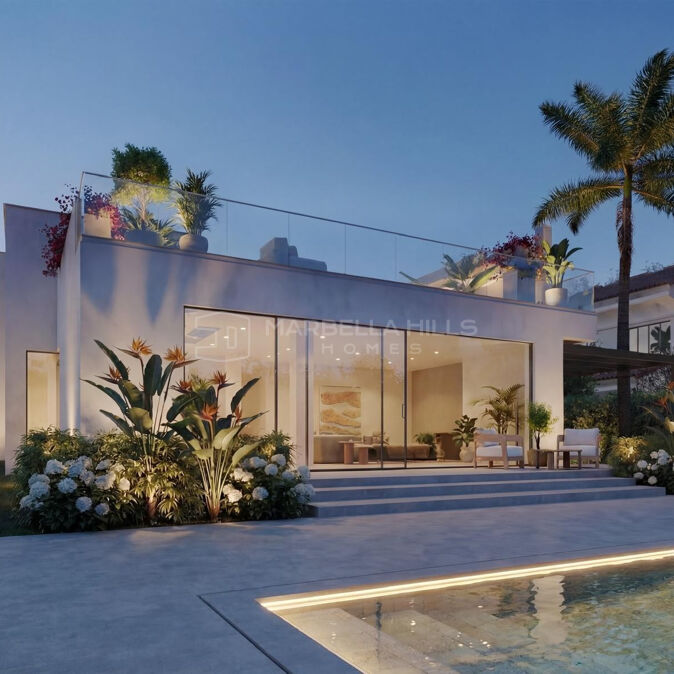
€4,280,000Villa Valmaris is a modern Andalusian-style villa for sale in Benahavís, combining panoramic Mediterranean and golf views with contemporary comfort…
- View Property