La Mairena, Ojén: a buyer’s guide to Marbella’s forest hideaway above Elviria
Summary
Discover La Mairena, a serene forest hideaway above Elviria. This guide explores its unique appeal as a low-density residential resort offering peace, nature, and stunning views. Learn about its communities, property types, and the trade-offs compared to coastal living.
Key Takeaways
- La Mairena offers a peaceful, low-density forest lifestyle as an alternative to coastal living.
- It’s located in Ojén but functions as East Marbella, accessed via Elviria.
- The area features distinct communities with varied property types and price points.
- International schools and a stable community contribute to its family-friendly appeal.
- Buyers should carefully consider the drive time and verify views before purchasing.
Most people meet La Mairena by accident. They are house-hunting along the coast, an agent suggests one more, ten minutes up the hill, and they turn off the motorway at Elviria and start to climb. Within a minute or two the noise of the coast is gone. The road narrows and winds up through cork oak and umbrella pine, the air cools a degree or two, and then the trees open and the whole Mediterranean is laid out below, with Gibraltar to the west and, on the clear days, the blue line of Africa beyond it. By the time they reach the top, at around 400 metres, a good number of those buyers have quietly changed their minds about what they were looking for.
This guide is for them, and for anyone weighing La Mairena seriously against the coast below it. I will set out what it actually is, where it sits, who buys here and why, and the things worth understanding before a first visit, including the trade-offs, because there are two or three that matter. The buyers who are happiest up here are the ones who knew them before they signed. If you read this and decide La Mairena is not for you, that is a good outcome too.

What is La Mairena?
La Mairena is a hilltop residential resort on the eastern edge of Marbella, set at around 400 metres in a protected cork oak and pine forest. It is not a single urbanisation but a whole forested hillside made up of separate gated communities of apartments, penthouses and townhouses, plus detached villas, cortijos and the occasional large estate, all built deliberately at low density. It was born in 1987, conceived from the start as a green, private, low-rise alternative to the busy coast, and it is anchored by two things that still define its character: an international school community (the German School and the bilingual Colegio ECOS) and the well-known Hofsaess tennis academy.
A point that confuses buyers: La Mairena sits inside the municipality of Ojén, not Marbella, which is why listings and deeds read “La Mairena, Ojén.” That matters for the town hall and local taxes, but you do not reach it through Ojén town and it does not feel like an inland village. Access is from the coast, up the Elviria exit of the A-7 motorway (km 192), and for every practical purpose, schools, shops, beaches and hospitals, it functions as East Marbella. An Ojén address here means a quieter town hall and a forest postcode, ten minutes above one of Marbella’s most established beach zones, not the back country.
The name itself is used two ways, which is worth knowing. There is the original La Mairena, the white pueblo-style complex designed in the late 1980s by the architect Melvin Villarroel (the hand behind Puente Romano and parts of the Marbella Club), built as seven small clusters of apartments around south-facing terraces and a pool. And there is the wider La Mairena, the whole hillside of communities and villas that grew up around that original heart over the following three decades. When buyers say “La Mairena” they almost always mean the wider area, and that is what this guide covers, with the original pueblo as one community within it.

Where is La Mairena located
La Mairena sits in the municipality of Ojén, on the eastern side of Marbella, climbing a south-facing hillside from roughly 300 metres at its lower edge to around 450 at the top, with the original village near 400. To the south is the Mediterranean; behind it the Sierra de las Nieves rises inland. You reach it from the coast, up the Elviria exit of the A-7 (km 192). The address is Ojén, but you do not go through Ojén town, and for schools, shops, beaches and hospitals the area lives as East Marbella.
Approximate drive times, worth checking yourself on different days:
- Elviria (beaches, supermarkets, services), about 10 minutes
- Elviria beach and Nikki Beach, about 10 minutes
- Cabopino marina, about 10 minutes
- La Cala Golf, about 5 minutes
- Marbella centre, about 20 minutes
- Puerto Banús, about 25 minutes
- Málaga airport, around 40 minutes via the A-7
You need a car up here, and it is worth being honest about the road. The climb from Elviria winds, and in the dark or the wet it asks for care; it turns a quick errand into a fifteen-minute round trip. For some buyers that settles the matter against the hill. For the ones who choose La Mairena, those same ten minutes are the point, the distance that keeps the forest quiet. The buyers who thrive up here tend to know in advance that they want to live this way; those who are only half-sure often drift back towards the coast within a year or two, which is costly, so it pays to be honest with yourself first.

The history of La Mairena
La Mairena was born in 1987, the work of the Massoud family, who set out to do something against the grain of 1980s costa development: a low-density estate inside a forest, built on a fraction of the land, kept green and kept private. The commitment to build on only about 5% of the holding is the founding decision that still defines the place, and the family stayed involved in maintaining it to that standard for decades rather than selling out and moving on.
The architectural heart was the original pueblo-style complex by Melvin Villarroel. He gave La Mairena a clear vocabulary: low white volumes stepping down the hillside, terracotta, generous south-facing terraces and a pool set to catch the valley and the sea, seven small clusters of apartments rather than a single block. That first phase set a tone of Andalusian-Mediterranean architecture that sits into the landscape rather than competing with it, and it is still the image most people hold of the area.
It is a history that could easily have gone the other way. The land was developed just as much of the coast was being built up at speed, and the choice to stay low-density inside a forest was a long bet that buyers would one day value space and silence over density and amenity. With the woodland now protected as biosphere, that bet has clearly held. Over the following decades the wider hillside filled in, community by community, with gated developments and a scatter of villas, but the founding idea, forest first and building second, never changed.
The areas of La Mairena
“La Mairena” is not one address, it is a single large estate laid out across a hillside, divided into separate communities that each have their own character, density and price point. It helps to picture how the masterplan actually sits on the slope, because that geography, not a list of names, is what determines what you see, how far you drive and what you pay. Roughly half of the land is green zone (“zona verde”) that will stay forest, and the built communities thread between it.
The western side, nearest the bottom of the estate, holds the original La Mairena pueblo by Villarroel and Monte Elviria, with Mairena Forest higher up in the trees to the north-west; this is the older, most established corner. The central core is the heart of daily life: the two schools, the Colegio Alemán and Colegio Ecos, sit here alongside the Hofsaess tennis club, with Las Jacarandas beside the courts and El Encinar and the higher Vineyards (Sector 3) and Las Mimosas (Sector 5) stepping up the slope behind. The eastern side is dominated by El Vicario, the long strip of plots and villas running down towards the La Cala road, with Las Buganvillas at the far edge. And along the southern entrance, closest to Elviria and the quickest drive to the coast, lie El Romeral, Balcones de Elviria and the apartment and villa pockets near the gate. As a rule of thumb, the lower and southern positions mean shorter drives and easier access, the central and higher positions mean the bigger, more open views, and the deeper forest plots mean the most privacy.
The whole zone is more affordable per square metre than the Golden Mile, Sierra Blanca or the prime beachside, with most stock translating to roughly €3,000 to €5,500/m² and only the best new villas above that. Apartments start around €300,000 to €400,000 in the more accessible communities; villas typically begin near €1.5M and run to €8M+ for the largest forest estates. The table below sets out the named communities and who each one suits; a few newer or edge developments such as El Soto, Oakhill and Mediterranean Oaks sit around the wider area and trade as part of the same market.

Living at La Mairena
Daily life up here is quiet, green and shaped around family and the outdoors rather than the seafront. There is no town inside La Mairena: a handful of cafes and restaurants, the tennis centre, the schools, and little else. For supermarkets, banks, pharmacies and a wider choice of shops you drive ten minutes down to Elviria, or twenty to Marbella and the La Cañada centre. The rhythm is different from the coast: the drive in is long enough that you stop popping out for small things and plan the day instead, and when you get home the temperature drops, the forest goes quiet, and the coast feels further away than the map says. The sections below cover the parts of that life buyers ask about most.

The community at La Mairena
La Mairena has a real, year-round community, which not every Marbella address can claim. The mix is strongly international, with a German and Scandinavian core larger than almost anywhere else on the coast, alongside Dutch, British and a steady international spread, and it leans towards families and long-term residents rather than seasonal visitors. The schools and the tennis academy do much of the social work: people meet at the school gate, on the courts and on the forest trails, and the low density means you tend to know your immediate neighbours rather than pass them.
It is also a place where you can keep to yourself without it being remarked on. Friendships tend to form slowly and run deep rather than wide, and a long absence raises no eyebrows. English works as the common language, and the stability of the resident base is one of the quiet advantages: many owners have been here ten or fifteen years, turnover is slow, and unfamiliar faces are noticed, which does more for the settled, safe feel of the place than any single measure. For buyers moving full-time, especially with children, that living, year-round fabric is often the deciding factor.

The views from La Mairena
The view is the reason most people buy up here, and it is also the thing most often misread from a listing photograph, so it is worth being precise. La Mairena is not one view; it is three or four, and the property you choose decides which is yours.
What is on the horizon. From the open, south-facing positions the view is a wide arc of the Mediterranean, framed by the coastline curving away on both sides. To the west you can pick out the bay of Marbella and, on a clear day, the wedge of the Rock of Gibraltar, with the mountains of North Africa rising behind it across the strait. To the east the coast runs towards Fuengirola. Turn inland and the backdrop is the Sierra de las Nieves, green and close, and on the clearest winter days the distant snow line of the Sierra Nevada appears far to the north-east. It is a layered view, sea and two coastlines and mountains, not the flat blue rectangle a lot of coastal apartments sell.
Sea view versus forest view. Not every property looks at the sea, and that is not the drawback it sounds. The sea-view homes, on the open south-facing slopes, carry the highest premium. The forest-view homes, tucked into the woodland or facing the mountain, look into green rather than blue: total privacy, deep quiet, cooler in summer, and often noticeably better value for the same built size. Plenty of buyers arrive set on the sea and end up choosing a forest-facing home, because the privacy and calm do something the view alone cannot. The question is not which is better in the abstract, but which you will actually live in.
Orientation and position matter more than height. On a wooded slope the view depends on elevation, orientation and what stands in front, including trees that keep growing. Higher, south-facing plots hold the cleanest, most permanent outlook, since nothing built or grown below can rise into it. Lower or more enclosed positions can have a lovely view that is partly filtered by the canopy, or that a neighbour’s mature pines will close in over a decade. West-facing terraces trade some sea for long sunsets over the hills; north-facing positions may give up the sea but frame the mountains and stay cooler in summer. The protected forest cuts both ways: nobody builds a block in front of you, but the trees themselves are part of the view, and in some spots eventually part of the obstruction.
Seasons, night, and a practical note. The view changes through the year: summer haze softens everything and hides the African coast, while crisp winter air sharpens the colours and extends the distance, and on some February mornings a sea of cloud sits below the hill while you are in clear sky above it. At night the whole shoreline becomes a string of lights from Fuengirola towards Gibraltar, with almost no glare around you and a sky full of stars, because the forest keeps light pollution down. When you view a property, do not just look from the main terrace: walk the corners of the plot, look from the bedrooms, and come back at a different time of day, and ideally after dark, before you decide.

Schools and family life at La Mairena
Schools are a large part of why La Mairena exists as a year-round community, and for many families they are the reason to be here at all. The German School (Deutsche Schule, the Colegio Alemán, long associated with the name Juan Hoffmann) sits within the area and follows the German curriculum through to the Abitur, drawing German and wider northern-European families. Beside it, the bilingual Colegio ECOS offers an international English-Spanish route. Two respected international schools on the doorstep is genuinely rare on this coast, and it reshapes daily life: the school run is minutes, not a cross-town battle.
For younger children the setting is exceptional, low traffic, gated communities, forest at the door, and the kind of safe outdoor childhood that is increasingly hard to find on the coast. The Hofsaess tennis academy adds a serious sports anchor, coaching everyone from beginners to competitive juniors. Families who settle here usually do so deliberately, trading some social density on the coast for space, safety and nature. For the wider picture of curricula, admissions and fees, see our guide to the international schools of the Costa del Sol.

Golf around La Mairena
For golfers, La Mairena is well placed without being a golf resort in itself: you play golf from the hill rather than on it, and the courses within reach are good. The El Soto golf course sits within the wider La Mairena area, with its own clubhouse, restaurant and a community of homes around it. A few minutes down in Elviria, Santa María Golf is the nearest of the coastal courses, and five minutes east the La Cala Golf Resort in Mijas offers three full eighteen-hole courses, one of the largest complexes in Spain. That puts four or five courses within a short drive, with the rest of the eastern Marbella golf belt a little further on, which is why a meaningful share of buyers here are golfers who want forest and view at home and a tee time minutes away.

Health and wellness at La Mairena
Much of the wellbeing case up here is in the landscape itself: walking, hiking and mountain-biking trails start at the communities and climb into the Sierra de las Nieves and down along the Ojén river, and the cleaner, cooler air at 400 metres is part of why people choose to live here. The Hofsaess tennis academy adds a structured outlet to the informal ones — courts and proper coaching for all levels a few minutes from the door, so an active routine is built into the place rather than a drive away. Many villas build in gyms, spa rooms and indoor pools on top of that.
For private healthcare, Elviria has medical centres and pharmacies about ten minutes down, and the main private hospitals of Marbella (Quirónsalud and HC Marbella) are around twenty minutes, with the public Hospital Costa del Sol a similar distance. Helicópteros Sanitarios, the private home-visit and emergency service most international residents subscribe to, covers the area, and on a hill above the nearest town it is worth more than on the flat. Twenty minutes to a hospital reads differently at sixty than at forty, and the buyers who think it through tend to subscribe from day one. For more, see our Marbella healthcare guide.

Restaurants and daily life at La Mairena
The everyday picture is simple: the hill itself has little, but the coast is ten minutes down. For groceries, pharmacies and banks most residents drive to Elviria, or twenty minutes to Marbella and La Cañada; life here assumes a weekly shop rather than a daily one. For eating out, the beach clubs and seafront restaurants of Elviria, Marbesa, Carib Playa and Cabopino, Nikki Beach and the long-running Beach House among them, are ten minutes down, and closer to home El Soto, the golf clubhouse restaurant, is ideal after a round, with Kudu Bar on hand for a drink. It is an active, outdoor, slightly slower version of Marbella life, with the sea close enough to drop into whenever you choose.
Security at La Mairena
This comes up often and deserves a proper answer. The first thing to understand is that La Mairena is not a single gated perimeter; it is a hillside of separate gated communities. Most of the apartment and townhouse complexes are individually gated, with their own controlled access, perimeter and 24-hour or patrolled security through the HOA, while detached villas typically add their own walls, gates, alarms and cameras, often linked to a private security company.
The geography then does quiet work of its own. The low density, the dense forest and the single winding access road mean very little passing traffic and nowhere to be anonymous; nobody drives through La Mairena on the way to anywhere else. The stable, long-tenured resident base adds the same low-level awareness found at the best addresses: familiar cars, noticed routines, strangers who stand out. The honest nuance is that the level of gating and on-site security varies community by community, so confirm exactly what a specific complex provides, manned gate, cameras, patrols, perimeter, rather than assuming the whole hillside is uniformly gated. It is not, but the lived experience is overwhelmingly private and safe, which is a large part of why families and privacy-minded buyers choose it.
Fire, and how the forest is managed
A buyer looking at a protected cork-oak-and-pine hillside in southern Spain will think about wildfire, and a guide that names every other trade-off should not skip this one. The honest starting point is that this is fire country, as all the Mediterranean forest is, and the area has seen it: in late August 2012 the worst regional fire in years swept across six municipalities, reached the hill, and forced the evacuation of La Mairena along with Elviria and the upper part of El Rosario. It was a serious event, and the wider blaze cost lives further down the mountain.
What happened up here is the part worth understanding. The damage to La Mairena's houses was limited relative to the scale of the fire, much of it was to gardens rather than homes and the cork oaks, which are built to survive fire behind their thick bark, largely came through. More than a decade on, the forest has regenerated and the hillside is green again. That is not luck so much as the nature of the place: the founding 5% building rule and the wide bands of protected green zone mean houses sit far apart with space between them and the trees, which is the opposite of the dense, continuous fuel that makes a fire unstoppable.
The management around it is real and worth knowing before you buy. INFOCA, the regional forest-fire service, covers the whole sierra with aircraft and ground crews, as the 2012 response showed. At community and plot level, owners carry clearing obligations, keeping undergrowth and brush cut back around buildings and along boundaries (the desbroce) and the single most useful thing a villa owner does is maintain that defensible space each spring. The protected-tree rules cut both ways here: you cannot clear the cork oaks to open a view, but those are precisely the fire-resistant trees you would want to keep anyway. The one honest note is the access road: the same single winding climb that keeps the place quiet and secure is also your only way down, so know your evacuation route and treat the official warnings seriously when a hot, windy spell sets in. Fire cover is standard in building insurance up here; confirm it on any specific policy.
The sensible way to hold all this is the same as the hospital-distance question earlier in this guide: a real risk, not a reason to walk away, but one the clear-eyed buyer prepares for clearance kept up, a route known, the right cover in place and then gets on with enjoying the forest.
How La Mairena compares with the coastal alternatives
Almost everyone weighing La Mairena is also looking at the coast below it, so the comparison comes down to one trade: forest, space, view and value up here, against beach-proximity, services and buzz down there. Elviria and the East Marbella beachside (Las Chapas, Marbesa, Hacienda Las Chapas) put you minutes from the sand and the supermarkets, but with more traffic, a stronger summer season and a higher price for equivalent space. Los Monteros, to the west, is the established prestige beachside address and dearer again. The Golden Mile and Sierra Blanca, further west, are a different tier altogether (we cover Sierra Blanca in its own guide). Inland, Ojén town is cheaper and more authentically Andalusian, but without the international schooling, the gated infrastructure or the sea views.
What none of them match is the full combination La Mairena offers: a protected forest setting, a layered sea-and-mountain view, two international schools on the doorstep, and meaningfully more house or apartment for the money, all within twenty minutes of central Marbella. What it gives up is specific and real, walkability to the beach and to a town. The table sets out how the alternatives line up on what buyers actually weigh.
| Area | Setting | Typical price level | Best for |
|---|---|---|---|
| La Mairena (Ojén) | Protected forest hillside, ~400 m, sea & mountain views | €3,000 to €5,500/m² | Nature, space, schools and value, 10 min above the beach |
| Elviria & East beachside | Coastal, walk to the beach, busier in summer | Higher per m² than La Mairena | Beach access, services and buzz on the doorstep |
| Los Monteros | Established prestige beachside | Considerably higher | Prime beachfront address, larger budgets |
| Golden Mile / Sierra Blanca | Prime central Marbella, gated hillside | A different tier altogether | Top-tier prestige, near Puerto Banús and the beach |
| Monte Mayor (Benahávís) | Gated mountain valley, ~580 m, very remote | Villas & plots, premium | Maximum privacy and space, further from the coast |
| Ojén town | Authentic inland Andalusian village | The most affordable | Village life and value, without sea views or international schools |
Indicative 2026 positioning for orientation only; price levels move with view, condition and exact position.
“But people say La Mairena is in Marbella”
This is the point that confuses buyers most, so it is worth meeting head on. You will see La Mairena marketed as “La Mairena, Marbella” or “Marbella East,” and also, correctly, as “La Mairena, Ojén.” Both are true in the way that matters. Administratively it is Ojén: the town hall, the building licences, the IBI and the local paperwork all run through Ojén, not Marbella. In lived and commercial terms it is Marbella East: you arrive through Elviria, your beaches, schools, hospitals, shops and social life are all on the Marbella side, and agents list it as Marbella because that is how buyers search and how residents actually live.
For a buyer the practical points are simple. Do not be put off by an Ojén address: it does not mean inland or remote, it means a quieter, often cheaper town hall ten minutes above one of Marbella’s best beach zones, and the lower Ojén cadastral values are part of why running costs here are gentler. Equally, do not assume an Ojén listing belongs to the cheaper Ojén-town market: La Mairena is its own forest-hillside market and prices accordingly. When comparing listings, check the actual location on the map rather than the municipality in the headline, because both “Marbella” and “Ojén” get used for the very same hillside.

The property typology: what buyers actually find in La Mairena
La Mairena offers a wider spread of property types than most prime Marbella addresses, which is a large part of its appeal: the same hillside holds a 300,000-euro apartment and an eight-million-euro forest estate. It helps to take the main types in turn, because the buyer, the budget and the daily experience are quite different for each.
Apartments
Apartments in the gated communities are the entry point to La Mairena and, for many buyers, the smartest way in. They are frequently larger than the coastal average; the older communities such as Las Jacarandas and Las Buganvillas are known specifically for generously sized flats, with big south-facing terraces, and prices typically run from around €300,000 to €1.2M depending on size, view and community. The community takes care of the gardens, the pool and the security, so an apartment is the natural choice for a lock-up-and-leave second home or a first step into the area. The thing to check is the same as everywhere up here: which way the terrace faces and what it actually looks at.

Penthouses
Penthouses, including a good number of duplex penthouses, are where the views and the terraces are at their best within the apartment communities. Expect large wraparound or south-facing terraces, often with room for a plunge pool or an outdoor kitchen, and the cleanest sightlines in the building. They carry a clear premium over the apartments below them and tend to hold their value best in resale, precisely because the view and the outdoor space are the scarce commodity. For a buyer who wants the simplicity of an apartment but the outlook of a villa, the penthouse is the sweet spot.

Townhouses and semi-detached villas
Between the apartments and the detached villas sits a growing band of townhouses and semi-detached villas, often in newer, more contemporary developments and sometimes golf-front, as at El Soto. A recent example: a small gated row of first-line semi-detached villas on the El Soto golf course, around 180 m² over three bedrooms, listed from roughly €1.05M, with golf and sea views. As a type they run broadly €0.6M to €3M, and they suit buyers who want a house with their own front door, a small private garden and a couple of floors, without the maintenance and price of a full detached villa on a forest plot. They are also where much of the new-build energy in La Mairena currently is.

Detached villas, cortijos and forest estates
At the top of the market are the detached villas, the Andalusian cortijos and the occasional large estate, set on private plots within the woodland, from around €1.5M to €8M+ and, for the very largest holdings with several thousand square metres of grounds, beyond. Because the founding plan preserved so much green, these plots are genuinely generous and the houses sit well apart from one another, which is unusual at this price point on the coast and is exactly what the privacy-led buyer is paying for. The stock ranges from original Andalusian-Mediterranean villas, white walls and terracotta and arches, to recent glass-and-stone contemporary builds with infinity pools reaching towards the sea. A villa here is a different proposition from an apartment: a forest plot to maintain, more staff or contractors, and the full running-cost picture set out below.

Building in La Mairena: plots, new build and renovation
Building in La Mairena is governed by the forest as much as by the market, and that is the first thing a buyer with construction plans needs to understand. The founding 5% building limit and the protected biosphere woodland mean this will never be a new-build sprawl: genuinely empty, buildable plots are scarce and valuable, and most of what is marketed as “new” is either one of the contemporary developments mentioned above or the careful renovation, or demolition and replacement, of an existing house on its existing footprint.
The planning authority is the Ojén town hall, not Marbella, and the environmental rules here are stricter than on the coast. Buildability (edificabilidad) tends to be lower, plots carry a protected green coefficient that limits how much of the land you can build on and seal, and the cork oaks and mature pines are protected, so you cannot simply clear a plot to open a view or make room. Anything that touches the woodland, the green area or the tree cover needs to be checked and, where required, licensed before you commit, not after. I have seen buyers fall for a plot or a tired villa imagining a much larger contemporary replacement, only to find the permitted volume is a fraction of what they pictured. The rules are navigable, but they are real, and they reward getting proper advice early.
On the practical numbers: a thorough renovation typically runs roughly €2,000 to €3,500 per square metre over a 12 to 18 month programme, plus the permit process; a ground-up new build or demolition-and-rebuild runs longer, often 24 to 36 months once design and licensing are included, and a finished contemporary villa bought ready carries a clear premium over doing the work yourself. Which route makes sense comes down, as always, to time horizon and appetite for a building project. The one piece of advice specific to La Mairena: before you sign anything you intend to change, have an architect who knows the Ojén process confirm the buildability, the green coefficient and any protected trees on the plot. It is the single most useful check up here, and the one a remote buyer cannot do alone.

The cost of owning at La Mairena
This is the conversation buyers want and rarely get a straight answer to. Here are working figures, with the caveat that every property is different and the only definitive numbers come from a specific one. The structural costs up here are favourable, helped by lower cadastral values in Ojén and a cooler climate that means less air-conditioning.
- IBI (local property tax): for a mid-size villa, broadly €3,000 to €4,000/year, lower than equivalent villas on the Golden Mile or in Sierra Blanca, because Ojén cadastral values have historically been conservative. Apartments are far less.
- Refuse collection: a modest municipal charge, on the order of a few hundred euros a year.
- Community fees : most communities charge for gated security, gardens, roads and pools; for a villa typically €2,000 to €3,500/year, with apartment fees varying by community and amenities.
- Gardening: a forest plot needs steady upkeep, typically €500 to €900/month depending on plot size and planting.
- Pool maintenance: around €150/month on a service contract.
- Housekeeping: a part-time arrangement runs around €800/month; full-time or live-in is a separate, larger calculation.
- Utilities (electricity, water, gas): full-time use of a villa typically €600 to €800/month, less than the coast in summer thanks to the cooler nights, a little more in winter for heating.
- Insurance (building and contents): roughly €1,500 to €2,500/year, higher with cover for art or jewellery.
- Security / alarm contract: a private alarm and monitoring contract on top of the community, on the order of €1,200 to €2,000/year.
- Helicópteros Sanitarios: around €1,200 to €1,500 per person per year; strongly recommended given the distance to the nearest hospital.
- Non-resident income tax (IRNR): for most non-resident owners, a deemed-rental calculation that typically lands at €1,000 to €2,000/year, even if you never let the property.
These are working ranges, not contracts; the same villa run by two owners can cost very different amounts. We are happy to build a specific costed budget for any property under consideration.

A few personal takes about La Mairena
- If you want forest, fresh air and a real year-round community ten minutes from the beach, there is very little like it on this coast.
- If you have small children and a daily coast school run to somewhere other than the German School or ECOS, weigh the drive carefully; if your children go to the schools up here, it is a dream.
- If the sea view is everything to you, verify it from the actual terrace, and stay open to a forest-view home, they are quieter, cooler and often better value.
- If you want to walk out of the door to a coffee or a promenade, this is not the address for you.
- If you have looked at the beachside and found the prices high and the summer busy, and you value space and nature, La Mairena is often the natural answer.
What buyers in La Mairena most often get wrong
They underestimate the drive. Ten minutes to Elviria is ten minutes in daylight and fair weather; do it after dark and in the rain, more than once, before you sign. The buyers who fall for a terrace on a sunny afternoon and never picture the wet November school run are the ones who tend to resell.
They assume “Ojén” means remote, or that the whole hillside is one gated estate. Neither is true: it lives as East Marbella, and it is a patchwork of separate gated communities. Check what a specific community actually provides rather than assuming.
Rentals and investment potential in La Mairena
The thing to understand about renting in La Mairena is that the demand is shaped by the schools far more than by the beach. The most reliable tenants here are international families, very often German or Scandinavian, who take a property for a full academic year while their children attend the German School or ECOS: people relocating who want to try the area before they buy, families waiting for a purchase to complete or a renovation to finish, or parents who simply prefer to rent for the school years. That makes for a long-let market that is thinner in volume than the coast but unusually stable and creditworthy, and it runs to the school calendar rather than the holiday one, with most searches concentrated in the spring before a September start. Larger gated-community apartments and family villas near the schools are the easiest to place.
Holiday letting is a smaller part of the picture and comes with a caveat that does not apply on the seafront. The forest, the quiet and the pool do appeal to a certain summer and shoulder-season visitor, particularly families and remote workers wanting space rather than nightlife, but short-term tourist letting here is governed through the Ojén licence regime and, crucially, through each community’s own statutes, some of which restrict or prohibit it. If holiday income is part of your plan, that has to be checked for the specific property before you buy, not assumed.
As a place to put money, La Mairena rewards patience rather than yield-chasing. The case rests on scarcity that cannot be undone, the 5% building cap and the protected forest mean supply is fixed, on a long-tenured owner base that rarely sells in a hurry, and on the slow drift of priced-out coastal buyers looking inland for space and value. The lower Ojén holding costs help the maths, but this is a buy-to-hold, live-in-it-mostly asset, not a high-turnover rental machine. The buyers who treat it as somewhere to live first and let occasionally second are almost always happier than the ones who run the numbers as a pure investment.

The La Mairena property market
Two things make the La Mairena market behave differently from the coast below it, and a buyer should understand both. The first is that the school calendar, not the holiday season, sets the tempo. A meaningful share of purchases here are families timing a move around a September start at the German School or ECOS, which concentrates serious demand into spring and early summer and means the best family villas and larger apartments often change hands before they ever sit long on a portal. The second is the unusually wide split between renovated and unrenovated stock: because so much of the housing dates from the 1990s and 2000s, the gap between a tired original villa and a properly modernised one is large, and it is in that gap that most of the negotiation, and most of the genuine value, actually lives.
On price, La Mairena does not move like the prime beachside. It is steadier and slower, anchored by a resident base that holds for ten or fifteen years and by the simple fact that you cannot make more of it: the 5% rule and the protected forest cap supply permanently. The clearest recent driver has been the shift to year-round and remote-working residents, which has lifted demand for the larger, light, well-connected homes that work as a primary base rather than a summer flat. The honest counterweight is liquidity: the buyer pool for an unrenovated, forest-only-view property is narrow, so those sell slowly and at a discount, while a modernised home with a real sea view and the right orientation can attract competing interest quickly. The lower Ojén cadastral values quietly help throughout, keeping the cost of holding a property here below its Marbella equivalent. In short, this is a market that rewards buying the right position and the right condition, and holding, far more than it rewards trying to trade it.
A contemporary villa, taken back to the studs in 2025, with an open sea-and-mountain view
Everything above about the gap between tired original stock and a properly modernised home is easier to see in a single house. This one was rebuilt in 2025 by the design firm Roomzly: an open-plan living space behind floor-to-ceiling glass, a Gaggenau kitchen, six en-suite bedrooms, a private cinema and Technogym gym, and a master suite running to a steam room, Italian sauna and hydro bath. Outside, a heated saltwater pool and a garden of twenty-five-odd fruit trees and palms, set in a quiet cul-de-sac with the schools ten minutes down and the airport forty.
The honest notes are the ones the guide tells you to look for. The outlook is a genuine panoramic sweep of sea and mountain, not a filtered glimpse, which is the half of the market that holds value. The orientation is east, so the prize here is morning light over the coast rather than the long west-facing sunsets; whether that suits you is worth feeling on the terrace at the hour you'd actually use it. And the cul-de-sac position does the quiet, private thing La Mairena is bought for. At €3.85M for a finished six-bedroom house on a plot this size, it sits squarely in the band where, up here, you are paying for condition and position rather than postcode.
Arrange a viewing of Ref. MH8527.

When the time comes to sell in La Mairena
Most guides ignore selling, which is short-sighted, because any serious buyer is also thinking about the exit. A well-priced, well-presented La Mairena property typically sells in 3 to 9 months; contemporary villas and modernised apartments with a real view move fastest, while original, unrenovated stock in weaker positions takes longer because the buyer pool is narrower.
On costs, notary and registry fees are relatively minor, while the main tax considerations are the plusvalía municipal and any applicable capital gains tax. For non-resident sellers, a 3% withholding is retained at completion and credited against the final tax liability. A Spanish tax adviser should calculate the net proceeds before you sign.
Three things define the properties that sell best up here: an honest, verified view (south or west-facing and open sells at a premium; filtered or forest-only needs to be priced realistically); current or thoughtfully modernised architecture rather than tired original stock; and presentation, professional photography and a clear narrative that does justice to the forest-and-sea setting. The position is the part you cannot replicate: a well-oriented plot with a protected, permanent view is genuinely scarce, and that scarcity is what protects value here.
The future of La Mairena
Two structural strengths and one honest risk shape the outlook. The first strength is protection: the biosphere status and the original 5% building commitment mean the forest, and with it the views and the quiet, cannot be developed away, a guarantee almost no coastal address can offer. The second is value convergence: as prime Marbella prices have risen, more international buyers, especially families and remote workers, have looked inland and uphill, and La Mairena, with its schools and its forest, is a natural beneficiary.
The honest risk is the one buyers feel every day they own here: the distance and the drive. That will not change, but it is precisely why La Mairena stays quieter, greener and better value than the coast, and why the people who choose it tend to stay. The likeliest path is that La Mairena keeps attracting the buyer who could afford the beachside and chooses the forest instead, for what it is rather than what it is near, and that kind of self-selecting market protects value better than any rule.

Frequently asked questions about La Mairena
Is La Mairena in Marbella or Ojén?
Legally it is in the municipality of Ojén, but it is reached and lived through Elviria and functions as East Marbella. For day-to-day life, services and schools, treat it as Marbella; for the town hall and local paperwork, it is Ojén.
How far is La Mairena from the beach and from Málaga airport?
About ten minutes by car down to Elviria and its beaches, around twenty to central Marbella, and roughly forty to Málaga airport via the A-7. La Cala Golf is about five. It is not walkable to the beach.
Is La Mairena a good area for families?
Very, especially if your children attend the German School or Colegio ECOS, which are on the doorstep. The setting is safe, green and low-traffic, with the tennis academy and forest trails. The one thing to weigh is the daily drive if you choose a school down on the coast instead.
Are the sea views guaranteed?
No, and it is the single most important check. Many positions have full, open, permanent sea views; others look into the forest or are partly filtered by the slope and the trees. Always verify the view from the main terrace of the specific property, in person, at the time of day you will use it.
Can I still buy a plot and build at La Mairena?
Occasionally, but buildable plots are scarce by design, because of the 5% building limit and the protected forest. Most projects are renovations or replacements of existing houses. Any build must respect the Ojén green coefficient and protected trees, so confirm buildability with a local architect before committing.
Is wildfire a risk at La Mairena?
It is fire country, like all Mediterranean forest, and the area was evacuated in the major regional fire of 2012. But the low density and wide protected green zones keep houses well separated from continuous fuel, the cork oaks are naturally fire-resistant, and owners carry brush-clearing obligations around their plots. The practical points are to keep defensible space around the house, know the single access road as your evacuation route, and confirm fire cover on your insurance.
Final thoughts on La Mairena
La Mairena is not for everyone, and it does not try to be. From the first master plan it has been a deliberately low-density forest community for a particular kind of buyer: one who values nature over proximity, space and quiet over amenity on the doorstep, and a real year-round community over a season. The buyers who choose it almost always do so deliberately, and usually after looking seriously at the coast first.
What it offers in return is rare and getting rarer on this stretch of coast: a protected forest, fresh air, a layered sea-and-mountain view, two international schools, and genuine value, all close enough to Marbella to keep one foot in the glamour and one in the pines. Many buyers arrive looking elsewhere and come up here almost as a curiosity, and a fair number end up staying, not because La Mairena is the flashiest address on the Costa del Sol, but because, day after day, it quietly lets them live the way they actually wanted to.
Discover La Mairena
If you are considering La Mairena seriously, the best place to start is a conversation. At Marbella Hills Homes we know the hillside community by community and position by position: which plots hold the open sea view and which look into the slope, which complexes have the larger apartments and the best penthouses, which villas sit on the finest forest plots, and which properties are quietly for sale before they reach a portal. Get in touch and tell us what you are actually looking for. A short conversation usually tells us whether La Mairena is right for you, and saves you the drive up if it is not. If it is, the next conversation is about finding the property that matches.
Properties and plots for sale in La Mairena
Luxury Penthouse for Sale in La Mairena, Marbella East | Panoramic Sea Views & Expansive Solarium
La Mairena, Marbella Este €635,000Set in the prestigious hills of La Mairena, this exceptional penthouse combines generous living spaces with some of the most…
- View Property
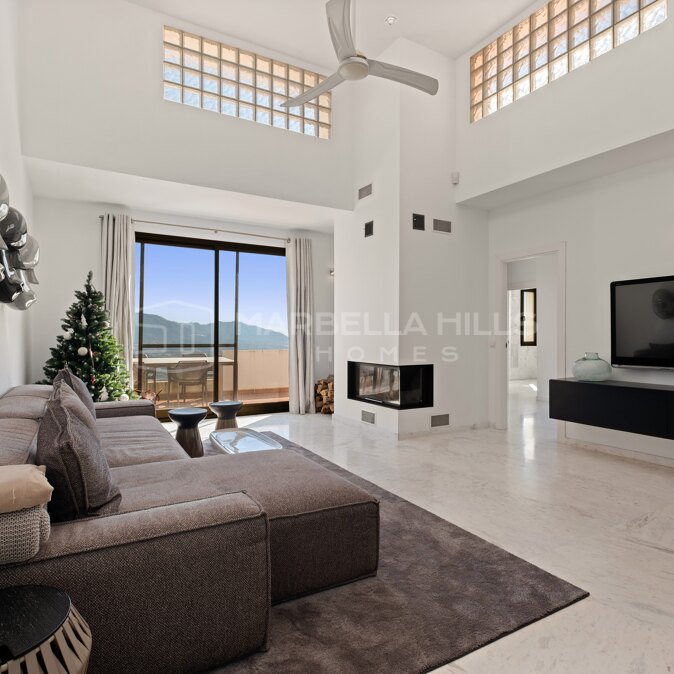
Spacious Ground Floor Apartment for Sale in La Mairena, Marbella East | Large Private Garden & Panoramic Views
La Mairena, Marbella Este €520,000Nestled in the peaceful hills of La Mairena, this exceptional ground-floor apartment offers a rare combination of space, privacy and…
- View Property
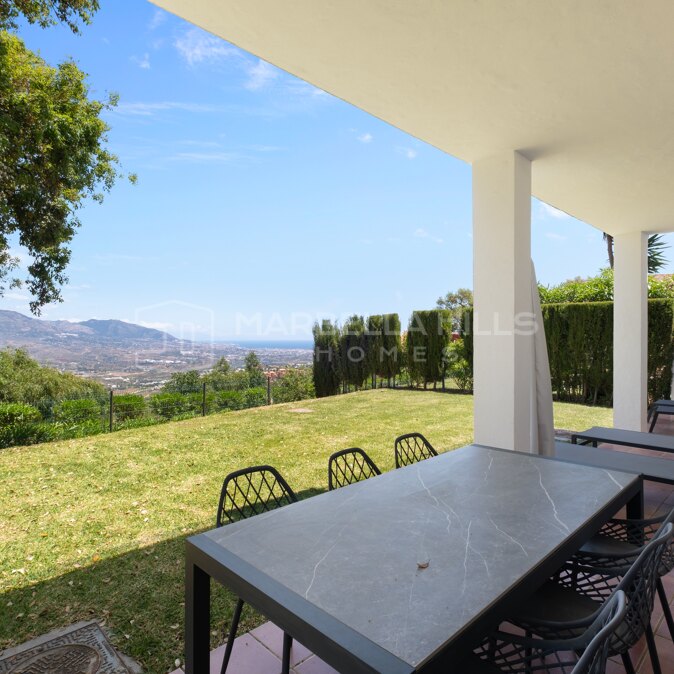
Luxury Contemporary Villa for Sale in La Mairena, Marbella East | Panoramic Sea and Mountain Views
La Mairena, Marbella Este Reduced from €3,300,000€2,899,000Perched in an elevated position in the exclusive hills of La Mairena, this spectacular contemporary villa offers breathtaking panoramic views…
- View Property
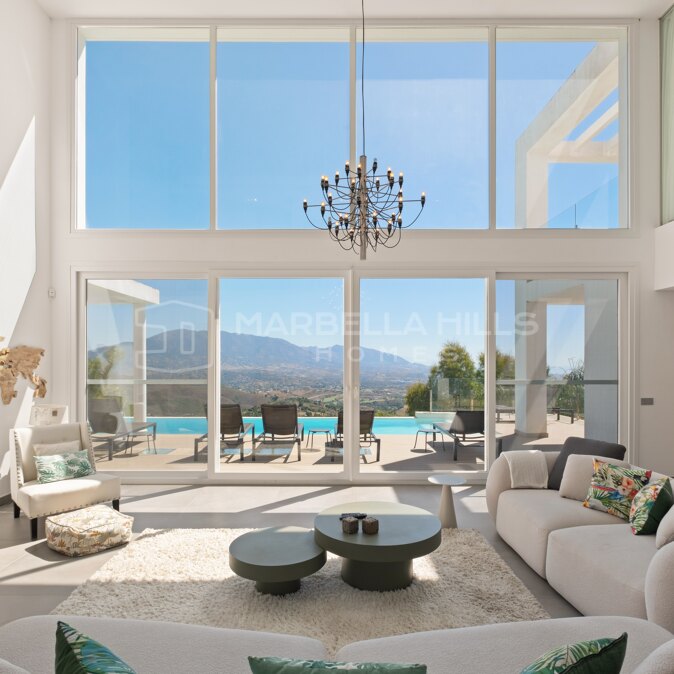
Brand New Villa for Sale in La Mairena Marbella with Panoramic Sea Views
La Mairena, Marbella Este €1,599,000This brand new contemporary villa for sale in La Mairena, Marbella offers an exceptional elevated position with panoramic sea and…
- View Property
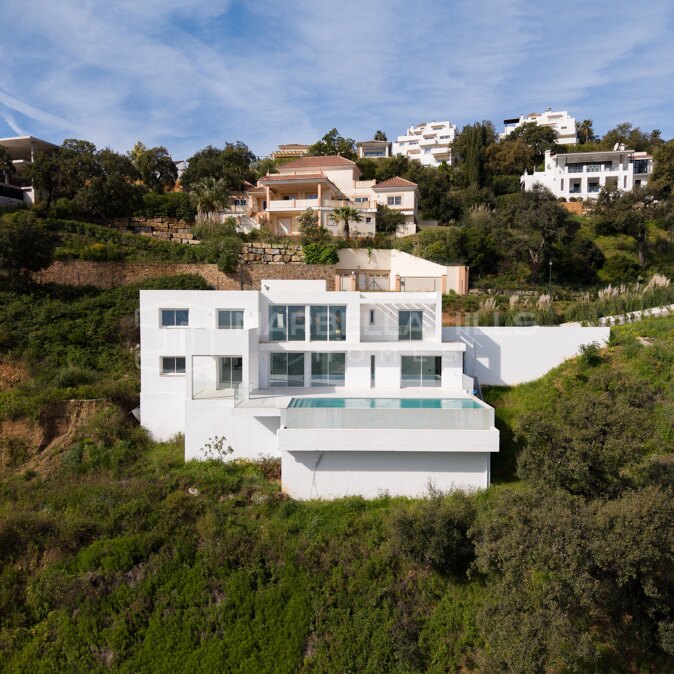
Exceptional Luxury Villa with Panoramic Sea and Mountain Views in La Mairena, Ojén
La Mairena, Marbella Este Reduced from €3,950,000€3,495,000This extraordinary villa, located in the exclusive natural enclave of La Mairena in Ojén, has been thoughtfully designed to harmonise…
- View Property
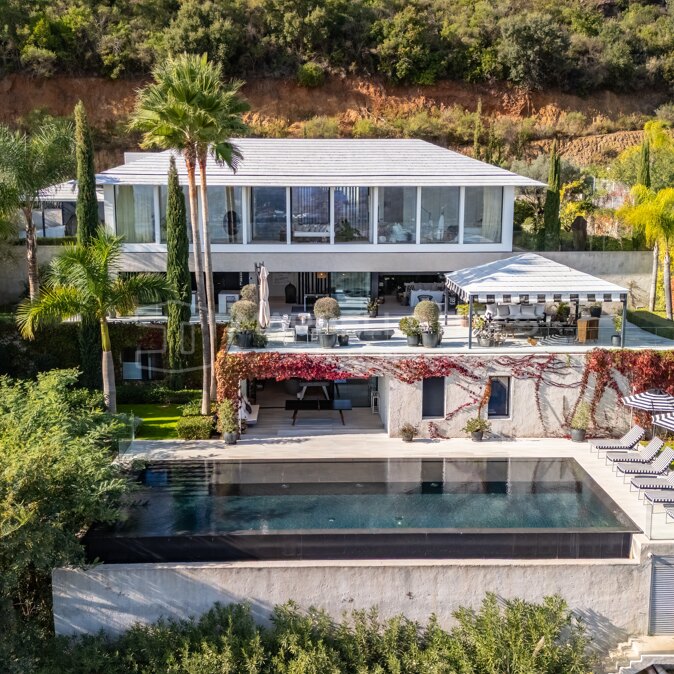
Sea-View Plot in La Mairena with Approved Project Ready to Build a Contemporary Luxury Villa
La Mairena, Marbella Este €453,200Set in the tranquil and prestigious hills of La Mairena, this exceptional plot offers the rare opportunity to begin building…
- View Property
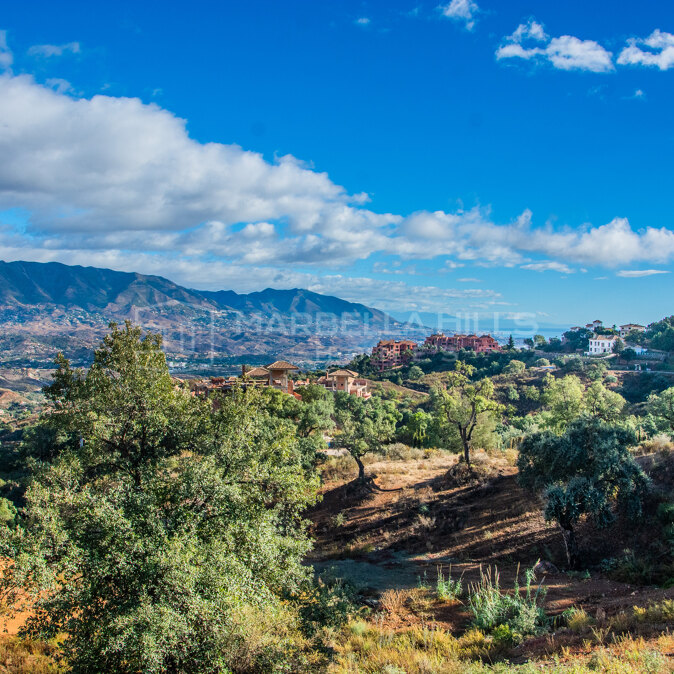
Modern Villa with Panoramic Views in La Mairena – Marbella East
La Mairena, Marbella Este €2,400,000Nestled in the tranquil hills of La Mairena, this newly built contemporary villa combines modern elegance with complete privacy and…
- View Property
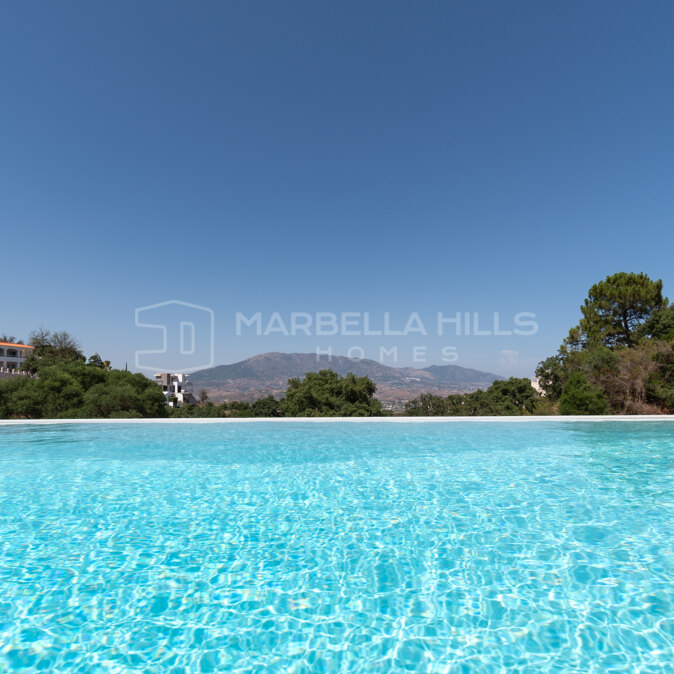
Contemporary Luxury Villa with Panoramic Sea Views in La Mairena, Marbella East
La Mairena, Marbella Este €3,550,000Perched in the peaceful hills of La Mairena, this exceptional villa combines cutting-edge architecture, top-tier finishes, and breathtaking views of…
- View Property
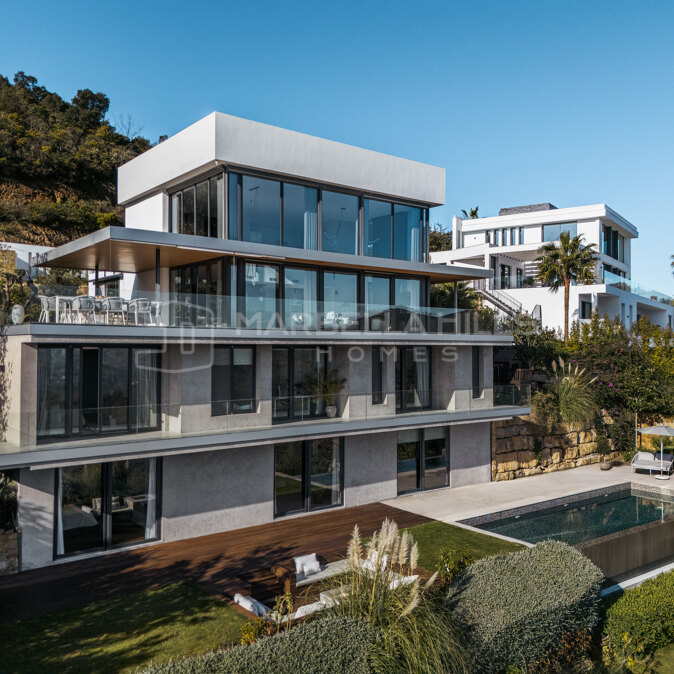
Modern off-plan villa for sale in La Mairena, Marbella – sea views, infinity pool, and total privacy
La Mairena, Marbella Este €1,800,000Discover this exceptional off-plan villa located in the exclusive and peaceful enclave of La Mairena, just a short drive from…
- View Property
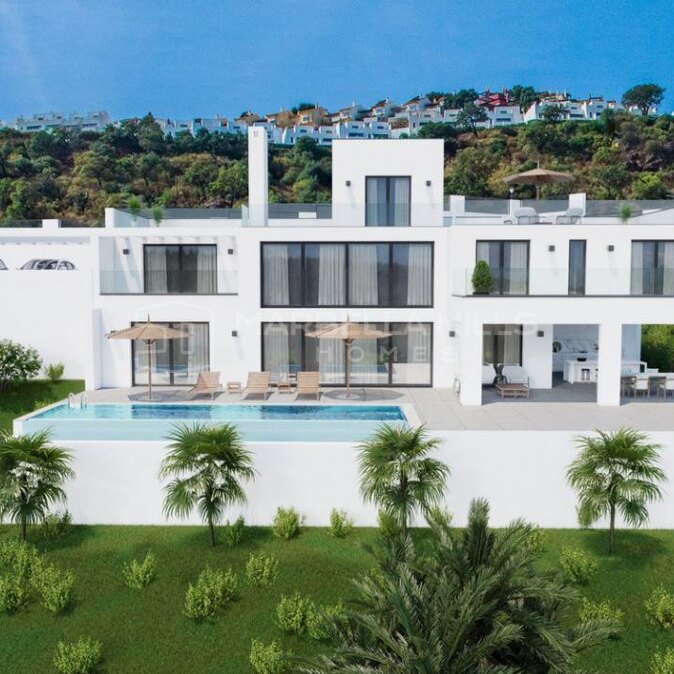
Elegant 3-Bedroom Semi-Detached Villas with Panoramic Golf and Sea Views in La Mairena
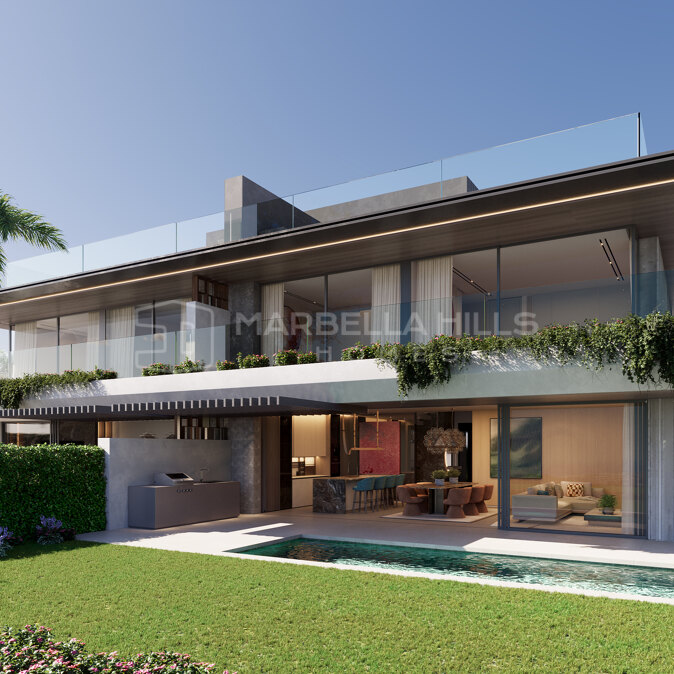
La Mairena, Marbella Este €1,050,000Discover an exclusive collection of 14 semi-detached villas, perfectly situated on the front line of the prestigious El Soto Golf…
- View Property