

Buying Off-Plan Property in Marbella: Legal Protection, Bank Guarantees and Buyer Rights
Summary
Buying off-plan property in Marbella offers unique opportunities but requires understanding legal protections, bank guarantees, and buyer rights. This guide details essential considerations for secure off-plan purchases in Spain.
Key Takeaways
- Understand the legal protections, bank guarantees, and buyer rights for off-plan property purchases in Marbella.
- Verify land ownership, building licenses, and the developer’s legal standing before signing contracts.
- Ensure advance payments are protected by bank guarantees or surety insurance.
- Be aware of contractual clauses, potential construction delays, and completion documentation requirements.
- Conduct thorough due diligence on the developer, land, planning status, and contractual arrangements.
Buying an off-plan property in Marbella offers the opportunity to purchase a home before construction has been completed, often with a choice of layouts, finishes and specifications that may not be available once the development is finished.
From contemporary apartments in Nueva Andalucía and Marbella East to luxury villas in Benahavís and new residential developments along the Costa del Sol, off-plan properties form an important part of the local real estate market.
However, purchasing a property that is still under construction is fundamentally different from buying an existing home.
The buyer is committing to a future property, often making payments months or even years before receiving the keys. The final home must be delivered according to agreed specifications, the developer must comply with planning and construction requirements, and the contract must establish what happens if the project is delayed or cannot be completed.
For international buyers, understanding the legal protections available under Spanish law is particularly important.
Spain has a framework designed to protect purchasers of qualifying residential developments, including rules concerning advance payments, bank guarantees or insurance, building licences and completion documentation.
Nevertheless, these protections should never be assumed to apply automatically to every payment or every type of development.
This guide explains the main legal and financial considerations when buying off-plan property in Marbella, including the documents to request, how payment guarantees work, what happens if construction is delayed and which rights buyers should understand before signing a contract.
Although the focus is Marbella, much of the information also applies to new developments in Estepona, Benahavís, Mijas and other parts of the Costa del Sol.

1. What Does Buying Off-Plan Property Mean?
An off-plan purchase involves agreeing to buy a property before its construction has been completed.
Depending on the stage of the project, the buyer may be purchasing a home that exists only in architectural plans, a development where construction has recently started or a property approaching completion.
The purchase is normally based on documents such as architectural plans, specifications, floor plans, contractual descriptions and the developer's approved project documentation.
Marketing images and computer-generated visualisations can help buyers understand the proposed design, but they should not replace the legally binding technical documentation.
The buyer's lawyer should establish exactly which plans, specifications and representations form part of the contractual agreement.
This is particularly important where a development offers different property types, optional upgrades or modifications during construction.
2. Why Do Buyers Choose New Developments in Marbella?
Off-plan properties can offer advantages, depending on the development and the buyer's objectives.
These may include modern layouts, contemporary construction standards, energy-efficient installations and the possibility of selecting certain finishes before construction is completed.
Some developers also offer staged payment schedules, allowing buyers to make part of the purchase payments during construction rather than paying the full price immediately.
However, a staged payment structure should not be confused with a guarantee of investment performance or future property value.
The final cost of the purchase, the delivery timetable, the legal protections and the developer's obligations should be examined independently of the marketing presentation.
A new property may reduce certain immediate renovation needs, but it can still involve defects, snagging items, maintenance obligations and future community expenses.
The objective should be to understand both the advantages and the risks before committing to the transaction.

3. The First Legal Check: Who Owns the Land?
Before signing an off-plan purchase contract, the buyer's lawyer should verify the legal position of the land on which the development is being built.
This normally begins with an updated Nota Simple from the Spanish Land Registry.
The document can help establish the registered owner, the legal description of the property and any registered mortgages, charges or restrictions.
The lawyer should also determine whether the company selling the property is the registered landowner or has the necessary legal authority to carry out the transaction.
In some developments, the land is owned by one company while another entity is responsible for construction or marketing.
This structure is not necessarily problematic, but the contractual relationships and responsibilities must be understood.
What about developer financing?
Developers frequently use bank financing to fund construction.
The land or development may therefore be subject to a registered mortgage.
The existence of development financing does not automatically make the purchase unsafe.
However, the buyer's lawyer should establish how the relevant property will be released from the developer's mortgage at completion, unless the buyer expressly agrees to another lawful arrangement.
The buyer should not assume that payment of the purchase price automatically removes every registered charge.

4. Building Licences: Why They Matter
One of the most important checks in an off-plan purchase is the status of the building licence, known as the licencia de obras.
The applicable municipal authorisation establishes whether the proposed construction has received the required approval under the relevant planning framework.
For developments in Marbella, the lawyer should examine the planning and licensing position with reference to the municipality's applicable regulations, including Marbella's new PGOM.
This is particularly important where a project has been marketed before all the necessary approvals have been obtained.
Can a developer sell properties before receiving a building licence?
Developers may market projects and enter into certain arrangements before construction authorisation has been granted.
However, the legal consequences of payments and contractual commitments depend on the circumstances.
Buyers should be especially cautious about making substantial non-refundable payments before the required authorisations are in place.
The contract should clearly explain the status of the licence and what happens if the project is not approved or cannot proceed.
A lawyer should verify the actual documentation rather than relying solely on a developer's statement that the licence is expected shortly.
Does a building licence guarantee completion?
No.
A building licence is an important planning authorisation, but it does not guarantee that construction will finish on time, that the developer will remain financially solvent or that every contractual obligation will be fulfilled.
Other protections are therefore necessary.

5. Due Diligence Before Signing an Off-Plan Contract
Legal due diligence is essential when purchasing a property that has not yet been completed.
The buyer's lawyer should investigate the developer, the land, the planning status and the proposed contractual arrangements.
Depending on the project, the review may include:
- Registered ownership of the development land.
- Existing mortgages and other registered charges.
- Building licence and relevant planning authorisations.
- Approved architectural plans and technical documentation.
- Developer's legal identity and contractual authority.
- Protection arrangements for advance payments.
- Contractual construction and completion deadlines.
- Property specifications and permitted modifications.
- Payment schedule and bank account details.
- Conditions for cancellation or termination.
- Arrangements for completion and registration.
- First occupation documentation and utility connections.
The precise scope depends on the nature of the project.
A multi-unit residential development may raise different issues from an individually commissioned villa or a purchase involving a separate plot and construction contract.
6. Reservation Agreements: What Are You Actually Signing?
The first contractual step in many off-plan purchases is a reservation agreement.
This document normally identifies the selected property, the agreed price, the reservation payment and the next steps in the transaction.
It may also establish a period during which the developer agrees not to offer the property to another buyer.
However, reservation agreements vary significantly.
Some allow the buyer to recover the payment if specified conditions are not met.
Others contain provisions that may restrict repayment.
A buyer should never assume that a reservation deposit is automatically refundable.
Before signing, the lawyer should confirm the exact legal effect of the document, who receives the payment, whether it is protected and what happens if the buyer decides not to proceed or legal due diligence reveals a problem.

7. Private Purchase Contracts for New Developments
Following reservation, the parties commonly sign a private purchase contract.
This is one of the most important documents in the transaction.
It should establish the rights and obligations of the buyer and developer, including the property being purchased, the total price, payment schedule, construction obligations and completion arrangements.
The contract should also address the consequences of delay, non-completion and contractual breach.
Clauses buyers should examine carefully
Particular attention should be paid to:
- Identification of the property and its annexes.
- Agreed purchase price and applicable taxes.
- Deposit and staged payment obligations.
- Advance payment guarantees.
- Contractual completion date.
- Conditions allowing extensions.
- Permitted changes to plans or specifications.
- Developer's obligations concerning licences and completion documents.
- Consequences of late delivery or failure to complete.
- Procedures for notifying defects.
- Conditions for signing the public deed.
- Allocation of costs and cancellation of registered charges.
The name given to a contract does not determine all its legal consequences.
Its actual clauses must be reviewed.
A buyer should not rely solely on a verbal explanation of the agreement or assume that standard developer contracts cannot be negotiated.
8. Bank Guarantees and Insurance: Protecting Advance Payments
One of the most important legal protections in qualifying off-plan residential purchases concerns payments made before the property is completed.
Spanish law establishes safeguards for advance payments received by developers under the applicable statutory conditions.
The current framework is principally contained in the additional first provision of Spain's Building Regulation Act, Ley 38/1999 de Ordenación de la Edificación, as amended by Law 20/2015.
For qualifying residential developments, developers must guarantee the repayment of advance payments received from purchasers, including applicable legal interest, through an appropriate bank guarantee or surety insurance.
The statutory obligation is linked to the conditions established by law, including the granting of the building licence.
What is an individual bank guarantee?
An individual bank guarantee is a commitment by a financial institution to respond for the protected amounts under the terms and conditions of the guarantee and applicable law.
It is designed to protect the buyer if the developer fails to begin or complete construction within the relevant contractual framework.
What is surety insurance?
Surety insurance, known as seguro de caución, provides another legally recognised mechanism for protecting qualifying advance payments.
The insurer assumes the relevant obligation under the policy and statutory framework.
Why should buyers request documentary evidence?
A developer's statement that payments are guaranteed is not a substitute for reviewing the actual protection documents.
Buyers should ask their lawyer to verify the identity of the guarantor or insurer, the protected beneficiary, the relevant property, the amounts covered and the conditions for making a claim.
The legal treatment of a collective guarantee, an individual certificate and the underlying statutory protection can differ depending on the circumstances.
The buyer's lawyer should determine whether the protection satisfies the applicable requirements.

9. How Should Advance Payments Be Made?
Spanish legislation requires qualifying advance payments to be received through the appropriate financial arrangements, including a special account meeting the relevant statutory requirements.
The developer must comply with the applicable rules governing the receipt and protection of these funds.
Buyers should verify payment instructions independently and retain evidence of every transfer.
This is especially important when payment details are communicated by email.
Before transferring substantial sums, the buyer or lawyer should confirm that the receiving account belongs to the appropriate entity and that the payment is covered by the agreed legal protections.
Typical off-plan payment schedules
A development may require a reservation payment, a further amount on signing the private contract, one or more instalments during construction and the remaining balance at completion.
There is no universal payment schedule applicable to every development in Marbella.
The amounts and timing are contractual matters, subject to the relevant legal requirements.
Buyers should ensure that each payment is clearly documented and that the required protection is in place.
10. What Happens If the Developer Goes Bankrupt?
Developer insolvency is one of the principal risks associated with off-plan purchases.
If the developer becomes insolvent, the buyer's options depend on the contractual arrangements, the status of construction, the protection of advance payments and the applicable insolvency rules.
Where a valid guarantee or surety insurance applies, the buyer may have rights to claim repayment under the relevant legal conditions.
However, recovering funds is not necessarily automatic.
Claims may require documentary evidence, formal demands and compliance with procedural requirements.
If the developer enters insolvency proceedings, additional legal considerations may arise.
Buyers should contact their lawyer promptly rather than waiting for informal assurances that construction will resume.
11. Construction Delays: What Rights Does the Buyer Have?
Construction delays can occur for many reasons, including administrative procedures, supply problems, labour shortages or technical issues.
However, the existence of a delay does not automatically entitle every buyer to terminate the contract and recover all payments.
The legal position depends on the contract, the nature and seriousness of the delay, the agreed completion conditions and the applicable law.
Contractual completion dates
Buyers should distinguish between an estimated delivery date in marketing material and the legally binding completion provisions of the contract.
A statement such as "completion expected in the fourth quarter" may not have the same legal effect as a precise contractual deadline.
The agreement should clearly establish the relevant timetable and any conditions allowing extensions.
Can the developer extend the deadline?
Some contracts contain provisions allowing extensions in defined circumstances.
The validity and effect of these clauses depend on their wording and applicable consumer protection law.
A developer cannot necessarily rely on an unrestricted right to postpone completion indefinitely.
Can the buyer cancel because of delay?
Termination and repayment may be available where the legal and contractual requirements are satisfied.
However, not every delay constitutes a sufficiently serious breach.
Before refusing completion or demanding repayment, buyers should obtain legal advice on their rights and the appropriate procedure.

12. Changes to Floor Plans, Materials and Specifications
Off-plan buyers normally make their decision based on architectural drawings, specifications and marketing information.
However, the final property may differ in certain respects from the original presentation.
Some changes can result from technical requirements, regulatory conditions or the availability of materials.
The contract should establish which changes are permitted and how they affect the buyer's rights.
Can the developer change the property without consent?
Not every change is legally equivalent.
Minor technical substitutions may be treated differently from significant alterations affecting the property's size, layout, quality or essential characteristics.
A clause allowing the developer to make changes does not automatically validate every modification.
Consumer protection legislation and the circumstances of the transaction may restrict the developer's contractual discretion.
Buyers should ensure that important characteristics are clearly incorporated into the contract.
For example, where the purchase includes a particular terrace, parking space, storage room or agreed layout, those elements should be properly identified.
13. What About Sea Views and Marketing Images?
Sea views can be a major consideration when purchasing property in Marbella.
However, buyers should distinguish between a view shown in promotional material and a contractual commitment.
Computer-generated images may depict the intended appearance of a development rather than the exact outlook from a particular apartment.
The orientation, floor level, surrounding buildings and approved planning arrangements should be examined carefully.
If a particular view is essential to the purchase decision, the buyer should ask what can be verified and whether any relevant representations can be included in the contractual documentation.
No developer can necessarily guarantee that surrounding land will remain undeveloped indefinitely.
For this reason, buyers should investigate neighbouring plots and relevant planning information where the future outlook is particularly important.

14. Buying a New-Build Property: VAT and Stamp Duty
The tax treatment of a new-build property differs from that of a typical resale purchase.
For a qualifying first delivery of residential property by a developer in mainland Spain, VAT, known as IVA, is generally charged at 10%.
Certain categories of property may be subject to different VAT treatment.
In Andalusia, a qualifying new-build purchase subject to VAT will also generally attract stamp duty, known as Actos Jurídicos Documentados (AJD). Our guide to property purchase tax in Andalucía explains how these taxes compare with a resale purchase.
The general Andalusian AJD rate is 1.2%, subject to applicable legislation and any relevant reduced rates or exemptions.
Example: Buying a new-build apartment for €1,000,000
Purchase price: €1,000,000
VAT at 10%: €100,000
AJD at 1.2%: €12,000
Total purchase price including these taxes: €1,112,000
This example excludes legal fees, registration expenses and other transaction costs.
It assumes that the ordinary VAT and AJD rates apply.
When is VAT paid?
VAT is generally charged on qualifying advance payments when they become taxable under the applicable rules.
The developer should issue the relevant invoices.
Buyers should confirm whether quoted instalments include VAT or whether VAT is payable in addition.
The contract should clearly distinguish between the net purchase price, taxes and other expenses.
15. Can Foreign Buyers Obtain a Mortgage for an Off-Plan Property?
Foreign nationals can apply for mortgage financing to purchase new-build property in Spain.
However, obtaining a mortgage is not guaranteed.
Banks assess factors such as income, financial commitments, creditworthiness, tax residence and the value of the property.
For off-plan purchases, mortgage financing is commonly arranged closer to completion, although buyers may discuss their financing capacity earlier.
This creates an important consideration.
A buyer may sign a private purchase contract and make substantial advance payments long before the bank issues a final mortgage approval.
What happens if the mortgage is refused?
The consequences depend on the purchase contract.
A buyer should not assume that failure to obtain financing automatically entitles them to cancel and recover the deposit.
If mortgage financing is essential, the buyer should discuss the possibility of appropriate contractual protection before signing.
Buyers should also account for the difference between the purchase price and the bank's valuation, as the amount available to borrow may be affected.
16. What Is the First Occupation Licence?
A First Occupation Licence, commonly known as the Licencia de Primera Ocupación or LPO, is an important document in many new-build transactions.
Its purpose is connected with confirming that a completed building satisfies the relevant requirements for occupation under the applicable administrative framework.
However, the precise documentation required can depend on the municipality, the type of development and changes in Andalusian planning legislation.
In certain circumstances, a responsible declaration, known as a declaración responsable, may operate within the applicable occupancy framework.
Buyers should therefore avoid assuming that every new development must produce an identically named document.
Why is occupancy documentation important?
Appropriate completion and occupancy documentation can be relevant to the lawful use of the property, utility arrangements, mortgage financing and future resale.
Before signing the final deed, the buyer's lawyer should verify which documents are legally required and whether the developer has complied with the applicable procedures.
The existence of a building licence does not, by itself, establish that all completion and occupancy requirements have been satisfied.

17. The Final Building Certificate and Completion Documentation
Before a newly constructed property is delivered, the relevant technical professionals must complete the documentation required under the applicable construction and planning framework.
An important document is the Certificado Final de Obra, or Final Building Certificate.
This certificate relates to the completion of the works under the relevant technical and regulatory requirements.
Depending on the development, additional documents may include occupancy documentation, energy certification, building documentation and records relevant to the registration of the completed construction.
The buyer's lawyer should establish which documents are necessary for the particular property.
A developer's announcement that construction is finished is not necessarily equivalent to legal readiness for completion.
18. Snagging Inspections: What Should Buyers Check?
A snagging inspection is a practical review of the property's condition before or around handover.
It can help identify defects, unfinished items or discrepancies between the delivered property and the agreed specifications.
Typical matters include:
- Doors and windows.
- Flooring and wall finishes.
- Bathrooms and sanitary installations.
- Kitchen fittings and appliances.
- Electrical installations.
- Air conditioning and ventilation.
- Plumbing and drainage.
- Terraces and waterproofing.
- Exterior finishes.
- Parking spaces and storage rooms.
Buyers may choose to appoint an independent architect, surveyor or technical professional to assist with the inspection.
Any identified issues should be recorded clearly and communicated through the appropriate procedure.
Should buyers refuse completion if defects are found?
Not necessarily.
The legal significance of defects depends on their nature and seriousness, the contractual conditions and the applicable law.
Minor finishing items may not justify the same response as major defects affecting habitability or essential contractual requirements.
The buyer should obtain legal advice before withholding payment or refusing to sign.

19. Structural Defects and New-Build Warranties
Spanish building legislation establishes certain liability periods for qualifying construction defects.
Under the Building Regulation Act, the commonly referenced periods are:
- One year for certain defects affecting finishing or workmanship.
- Three years for defects affecting habitability requirements.
- Ten years for specified structural defects affecting the building's mechanical resistance and stability.
These periods relate to different categories of defects and statutory responsibilities.
They should not be understood as a universal guarantee covering every possible problem for ten years.
The applicable conditions, responsible parties and limitation periods for bringing claims must also be considered.
What is the ten-year structural insurance?
For qualifying residential developments, Spanish law generally requires decennial structural damage insurance, known as seguro decenal, subject to statutory exceptions.
This insurance is intended to cover specified structural damage risks.
It is not the same as a bank guarantee protecting the buyer's advance payments during construction.
The two mechanisms address different risks at different stages of the development.
20. Completion at the Notary
The final purchase is normally formalised through a public deed signed before a Spanish notary.
Before completion, the buyer's lawyer should verify that the contractual conditions have been satisfied and that the property can be transferred under the agreed terms.
This includes reviewing the final purchase price, payments already made, outstanding balance, completion documentation and the status of registered charges.
Where a mortgage is involved, the bank's requirements must also be coordinated.
At completion, the parties sign the public deed and the remaining purchase price is paid according to the agreed arrangements.
The buyer should receive the keys and relevant property documentation in accordance with the contract.
After completion, the acquisition is normally submitted for registration at the Spanish Land Registry.
21. Community Fees and Running Costs in New Developments
Purchasing a new-build property also involves understanding the costs that arise after completion.
For apartments and villas within residential communities, the developer or community administrator may provide an estimated operating budget.
This can include communal gardens, swimming pools, security, lifts, cleaning and other shared services.
However, initial community budgets may be estimates rather than a long-term indication of actual expenditure.
As a development becomes occupied and operating arrangements are finalised, community expenses may change.
Buyers should request information about the expected community structure, facilities and participation quotas.
For high-end developments with extensive amenities, the ongoing costs can be an important consideration.
Owners must also budget for IBI, municipal charges, insurance, utilities and maintenance.
22. Buying Off-Plan Through a Company or Investment Structure
Some international buyers consider purchasing property through a company rather than in their personal names.
This may be motivated by investment planning, ownership arrangements or succession considerations.
However, corporate ownership does not automatically provide a tax advantage.
The treatment can involve corporate taxation, VAT, financing, reporting obligations and the rules governing the personal use of company-owned assets.
For high-value properties, international ownership structures can also create additional compliance requirements.
The correct approach depends on the buyer's residence, objectives and wider financial circumstances.
Legal and tax advice should be obtained before selecting the purchasing entity, ideally before signing a reservation agreement.

23. Common Mistakes When Buying Off-Plan Property in Marbella
Many off-plan purchasing risks arise when buyers rely too heavily on marketing information or sign contracts before obtaining independent legal advice.
Common mistakes include:
- Paying a substantial reservation deposit without understanding refund conditions.
- Failing to verify the building licence.
- Assuming that every advance payment is automatically guaranteed.
- Not obtaining or checking the relevant bank guarantee or insurance documentation.
- Relying on estimated completion dates without reviewing the contract.
- Failing to establish the consequences of construction delays.
- Assuming that all promotional images are contractually binding.
- Overlooking the legal status of parking spaces and storage rooms.
- Not budgeting for VAT, AJD and other purchase costs.
- Assuming mortgage financing will be approved at completion.
- Confusing construction completion with legal readiness for occupation.
- Failing to arrange an appropriate snagging inspection.
- Not reviewing the arrangements for cancellation of developer mortgages.
- Assuming that a new property cannot have defects.
These risks do not mean that off-plan property should be avoided.
They demonstrate why the legal structure and documentation of the purchase matter as much as the property itself.
24. Off-Plan Buyer's Checklist: Before Signing or Paying
The following checklist covers the principal matters buyers should review with their lawyer.
- Verify the developer's identity and legal authority.
- Obtain an updated Land Registry extract.
- Confirm ownership of the development land.
- Review registered mortgages and charges.
- Verify the building licence and planning status.
- Examine the approved plans and property specifications.
- Confirm the exact property, parking and storage allocations.
- Review the reservation agreement before paying.
- Establish the refund conditions for reservation payments.
- Check the protection of advance payments.
- Obtain and verify bank guarantee or insurance documentation where required.
- Confirm the account to which payments must be made.
- Review the payment schedule and applicable VAT.
- Check the contractual completion date and extension provisions.
- Establish remedies for delay or non-completion.
- Confirm the procedure for changes to plans or specifications.
- Review the mortgage financing arrangements if required.
- Establish the documents required for lawful completion and occupation.
- Arrange an independent snagging inspection where appropriate.
- Review the applicable statutory defect protections.
- Obtain an estimate of community fees and ongoing ownership costs.
- Confirm the final notarial completion and registration arrangements.

25. Frequently Asked Questions About Buying Off-Plan Property in Marbella
Is buying off-plan property in Marbella safe?
Off-plan purchases are subject to important legal protections, but every development should be assessed individually.
Independent due diligence, appropriate contractual terms and verification of advance payment guarantees are essential.
Are bank guarantees mandatory for off-plan purchases in Spain?
Spanish law requires protection of qualifying advance payments under the applicable statutory conditions, generally through a bank guarantee or surety insurance.
The exact requirements depend on the nature of the transaction and the relevant legal framework.
Does a reservation deposit have to be refundable?
Not automatically.
The legal consequences depend on the agreement, the circumstances and any mandatory protections that apply.
Can I buy before the developer has a building licence?
Certain contractual arrangements may be possible before the licence is granted, but buyers should understand the risks and obtain legal advice before making payments.
What happens if construction is delayed?
The buyer's rights depend on the contract, the nature of the delay and applicable law.
A delay does not automatically produce the same remedy in every case.
Can I recover my deposit if the development is never completed?
Recovery may be available under the contract and applicable advance payment protection rules.
The precise remedy and procedure depend on the circumstances.
Can the developer change the floor plan?
Some changes may be permitted, but significant alterations can raise contractual and consumer protection issues.
Buyers should ensure that essential property characteristics are properly documented.
Is VAT included in the advertised purchase price?
Not necessarily.
Buyers should confirm whether the advertised price includes VAT and other taxes.
For qualifying new residential property, VAT is generally 10%, with applicable AJD payable separately.
Can non-residents obtain a mortgage for a new-build property?
Yes, subject to the lender's assessment and financing requirements.
Mortgage approval should not be assumed before the bank has completed its procedures.
Is a First Occupation Licence always required?
The applicable completion and occupancy documentation depends on the development and current administrative framework.
A lawyer should verify the documents required for the particular property.
What happens if defects are discovered at handover?
The buyer should document the defects and obtain appropriate legal and technical advice.
The available remedies depend on the nature of the defects and applicable contractual and statutory protections.
Does a new-build property have a ten-year guarantee?
Spanish building law establishes a ten-year liability framework for certain structural defects, alongside other periods for different categories of defects.
This is not a blanket ten-year warranty for every aspect of the property.
26. Buying a New Development in Marbella with Confidence
Buying off-plan property in Marbella can provide access to newly constructed homes, modern architecture and residential developments designed around contemporary living requirements.
However, the decision should be based on more than floor plans, finishes and estimated delivery dates.
The developer's legal position, building licence, payment protections, contractual obligations and completion documentation are central to the transaction.
Buyers should also understand the consequences of construction delays, the conditions governing advance payments and the distinction between estimated delivery and legally compliant completion.
At Marbella Hills Homes, we work with international buyers looking for new-build apartments, penthouses, townhouses and villas across Marbella, Benahavís, Estepona and the wider Costa del Sol.
Our knowledge of local developments allows us to help clients compare locations, property types, specifications and purchase conditions while coordinating with the independent legal professionals responsible for reviewing the transaction.
Whether you are considering a boutique apartment development, a contemporary villa project or a larger residential community, understanding the legal framework is an important part of making an informed decision.
Explore our selection of new developments in Marbella and the surrounding areas, or contact Marbella Hills Homes to discuss current availability, floor plans and purchasing requirements.
A successful off-plan purchase begins with understanding exactly what you are buying, when it should be delivered and how your payments and contractual rights are protected.
Editorial note: This guide provides general information about off-plan residential property purchases in Marbella and the Costa del Sol. It does not constitute individual legal, financial or tax advice. Spanish legislation, municipal planning requirements and contractual rights may change or vary according to the circumstances. Buyers should appoint an independent Spanish property lawyer to review the specific development, documentation and purchase agreement before making binding commitments or transferring funds.
New Developments in Marbella: Luxury Villas, Townhouses and Apartments for Sale
Modern 3-Bedroom Apartment with Spacious Terrace Near Estepona Marina
Estepona Puerto, Estepona Town €782,700This contemporary three-bedroom apartment is situated in a new residential development in Estepona, just 100 metres from the beach and…
- View Property

Modern 2 and 3 Bedroom Apartments for Sale Near Estepona Marina
Estepona Puerto, Estepona Town €833,700Discover an exclusive collection of just 22 contemporary apartments for sale in Estepona, ideally situated only 100 metres from the…
- View Property

Brand-New Contemporary Villa for Sale in Monte Mayor, Benahavís
Monte Mayor, Benahavis €4,350,000This is a brand-new, completed contemporary villa set on a hilltop plot of 2,750 m² in the heart of Monte…
- View Property

New four bedroom duplex penthouse with rooftop solarium on the San Pedro boulevard
San Pedro Playa, San Pedro de Alcantara €1,795,000A spacious four bedroom duplex penthouse on the beach side of San Pedro Alcántara, directly on the popular boulevard. It…
- View Property

Brand New 3 Bedroom Ground Floor Apartment for Sale in Cancelada, Estepona
Cancelada, Estepona East €1,004,950Discover a new way of living on the Costa del Sol. This brand-new 3-bedroom, 2.5-bathroom ground floor apartment is part…
- View Property
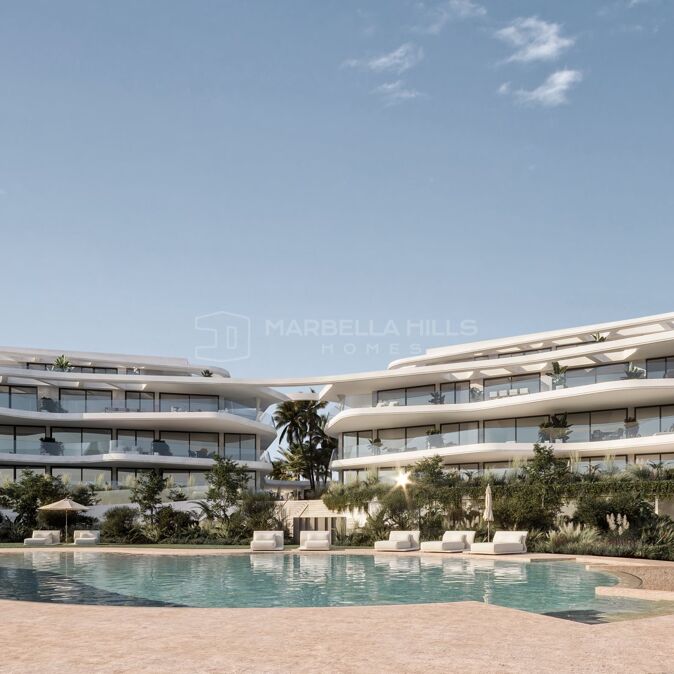
Brand New 2 Bedroom Ground Floor Apartment for Sale in Cancelada, Estepona
Cancelada, Estepona East €898,900Discover a new way of living on the Costa del Sol. This brand-new 2-bedroom, 2-bathroom ground floor apartment is part…
- View Property

€1,321,000Discover a new way of living in La Reserva, the most tranquil and exclusive enclave of Sotogrande. Surrounded by protected…
- View Property

New Penthouse with Private Rooftop Pool and Sea & Golf Views for Sale in Soul Marbella
Santa Clara, Marbella Este €1,495,000Brand new and ready to move into, this two-bedroom penthouse sits in one of the best-positioned blocks of Soul Marbella,…
- View Property
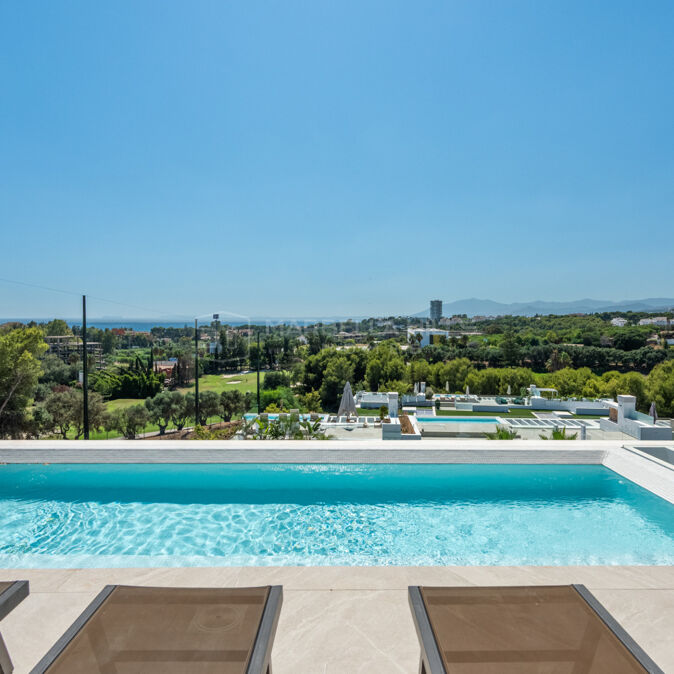
Exceptional Contemporary Luxury Villa Under Construction in Nueva Andalucía, Marbella
Nueva Andalucia, Marbella €5,990,000Discover an exceptional contemporary luxury villa for sale in Nueva Andalucía, ideally positioned in Marbella's prestigious Golf Valley, just minutes…
- View Property

Exclusive Contemporary Villas for Sale in Cortijo Blanco, San Pedro de Alcántara
Cortijo Blanco, San Pedro de Alcantara €4,700,000Just 140 metres from the beach, this exclusive collection of four contemporary villas offers an exceptional opportunity to own a…
- View Property

Contemporary 3-Bedroom Apartment for Sale in El Campanario, Estepona
El Campanario, Estepona East €742,000This stylish three-bedroom apartment forms part of an exclusive new collection of 77 homes in El Campanario, one of the…
- View Property

Contemporary 2-Bedroom Apartment in a New Resort-Style Development in Estepona
El Campanario, Estepona East €425,000This stylish two-bedroom apartment forms part of an exclusive new residential development on Estepona’s New Golden Mile, combining contemporary architecture,…
- View Property

€2,789,500This exceptional luxury apartment for sale at The View Marbella occupies the first floor of the iconic Atlas Building, a…
- View Property

Hillside Luxury Villa for Sale in Real de La Quinta, Benahavís with Sea Views
Real de La Quinta, Benahavis €6,950,000This exceptional luxury villa for sale in Real de La Quinta, Benahavís, has been designed around its privileged hillside setting,…
- View Property

Luxury New-Build Villas for Sale in Hacienda Las Chapas, Marbella East
Hacienda las Chapas, Marbella Este €4,188,000Set within the prestigious residential enclave of Hacienda Las Chapas, this is an exclusive collection of just seven contemporary luxury…
- View Property

New Luxury Villas for Sale in Elviria, Marbella East
Elviria, Marbella Este €2,850,000Discover an exclusive collection of luxury villas for sale in Elviria, one of Marbella East's most desirable residential areas. Blending…
- View Property

Luxury Contemporary Villa for Sale in La Cala de Mijas – Designer Mediterranean Living on the Costa del Sol
La Cala Golf Resort, Mijas Costa €3,685,000Villa Daniella is an exceptional contemporary luxury villa in La Cala de Mijas, where sophisticated architecture, advanced technology and refined…
- View Property

Contemporary New Build Villa for Sale in Cortijo Blanco, Marbella
Cortijo Blanco, San Pedro de Alcantara €4,290,000Discover an exclusive collection of just three contemporary villas in the highly desirable residential enclave of Cortijo Blanco, one of…
- View Property

€6,300,000Positioned along the frontline of the coast in Estepona, these penthouses introduce a more elevated way of living on the…
- View Property

€3,550,000Positioned along the frontline of the coast in Estepona, this residential concept introduces a new standard of living on the…
- View Property
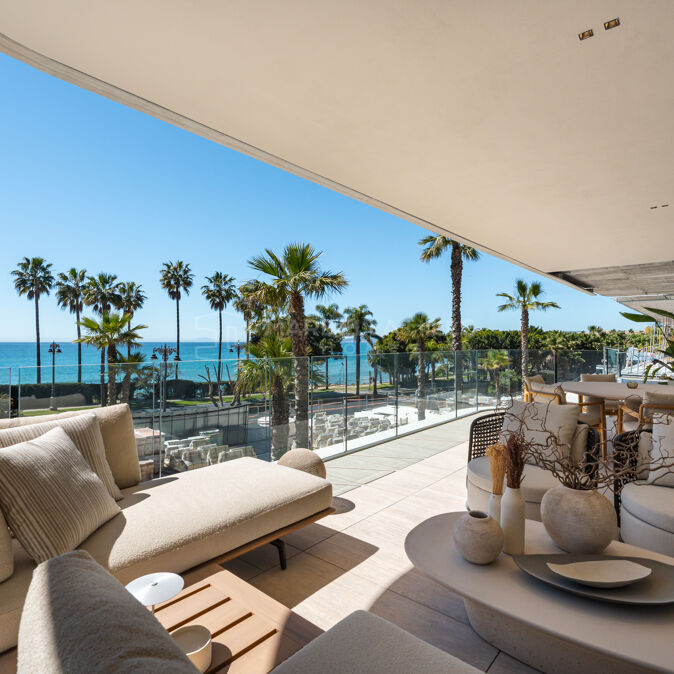
Contemporary 5-Bedroom Villa for Sale in Benahavís | Modern New Build Costa del Sol
Real de La Quinta, Benahavis €4,995,000Located in the prestigious Real de La Quinta area of Benahavís, this contemporary luxury villa for sale offers an exceptional…
- View Property

Luxury 5-Bedroom Villa for Sale in Benahavís | South-Facing New Build Costa del Sol
Real de La Quinta, Benahavis €6,250,000Located in the prestigious hills of Benahavís, this contemporary luxury villa in Real de La Quinta offers refined modern living…
- View Property

New Build Villa for Sale in Guadalmina Baja Marbella Near Beach and Golf
Guadalmina Baja, San Pedro de Alcantara €8,900,000This luxury villa for sale in Guadalmina Baja, Marbella, is located in one of the most exclusive residential areas on…
- View Property
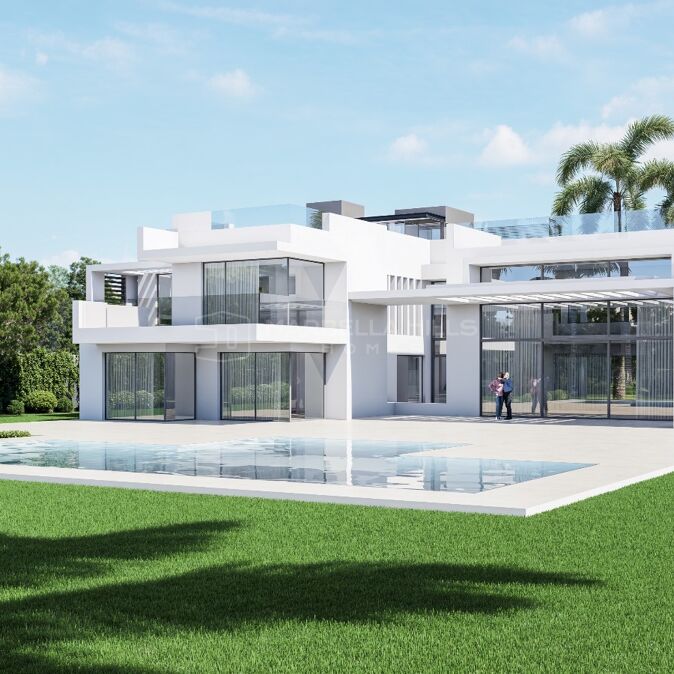
€2,065,000Located in the prestigious hills of Benahavís, this exceptional 3 bedroom first floor apartment represents one of the most desirable…
- View Property

€1,100,000Located in the prestigious hills of Benahavís, this contemporary luxury apartment offers an exceptional lifestyle surrounded by nature, with panoramic…
- View Property

€1,395,000Located in the prestigious hills of Benahavís, this contemporary luxury garden apartment offers an exceptional lifestyle surrounded by natural beauty,…
- View Property
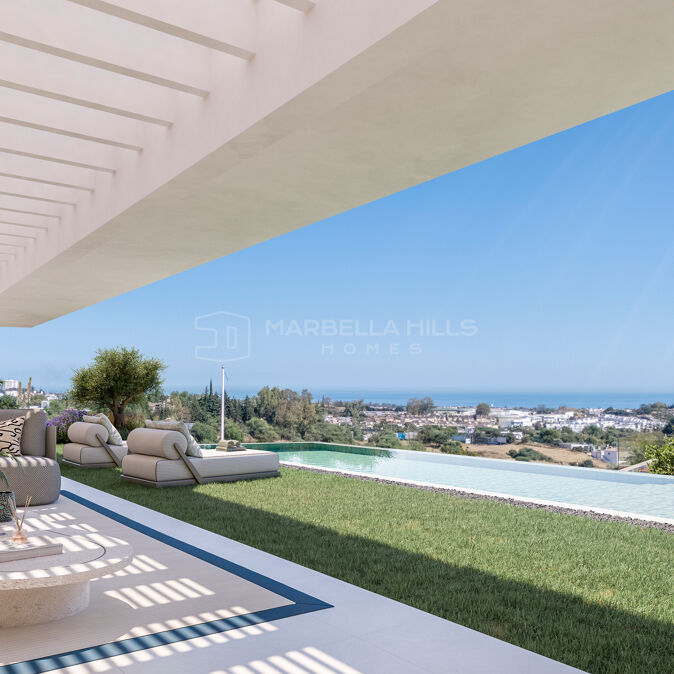
New Apartments, Penthouses and Villas for Sale in Selwo, New Golden Mile
Selwo, Estepona East €562,000Set in the hills of Selwo on Estepona’s New Golden Mile, this new residential development offers a collection of contemporary…
- View Property
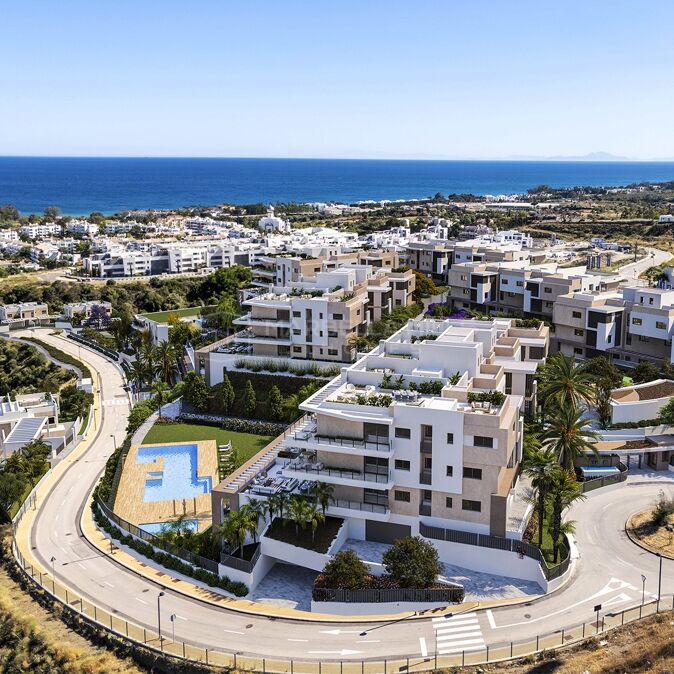
Contemporary Luxury Homes for Sale in Calanova, Mijas Costa
Cala de Mijas, Mijas Costa €1,200,000Set in the elevated surroundings of Calanova, Mijas Costa, this exclusive residential development offers a contemporary Mediterranean lifestyle just minutes…
- View Property

Luxury Homes for Sale in Calanova, Mijas Costa near La Cala de Mijas
Cala de Mijas, Mijas Costa €990,000Discover an exclusive collection of luxury homes for sale in Calanova, Mijas Costa, set in an elevated residential location close…
- View Property

Contemporary 3 Bedroom Mediterranean Residences with Panoramic Views on the New Golden Mile – El Campanario
New Golden Mile, Estepona East €779,000Located in the well-established residential enclave of El Campanario on the prestigious New Golden Mile, perfectly positioned between Marbella and…
- View Property

Contemporary 3 bedroom penthouses with panoramic sea views in El Campanario, Estepona
New Golden Mile, Estepona East €1,039,000Situated in the established residential area of El Campanario on the New Golden Mile, between Marbella and Estepona, this boutique…
- View Property

Contemporary Mediterranean Apartments in El Campanario, Estepona – New Golden Mile Living
New Golden Mile, Estepona East €655,000Situated in the established residential area of El Campanario on the New Golden Mile, between Marbella and Estepona, this boutique…
- View Property

New Mediterranean Residences in El Campanario, Estepona – Contemporary Homes on the New Golden Mile
New Golden Mile, Estepona East €469,000Located in the heart of El Campanario on the New Golden Mile between Marbella and Estepona, this exclusive residential development…
- View Property

Contemporary 3 Bedroom Penthouses with Panoramic Sea Views in Buenavista, Mijas
Buena Vista, Mijas Costa €1,218,500Positioned in the elevated hills of Buenavista, Mijas, this private residential community offers uninterrupted panoramic sea and valley views from…
- View Property

Modern 3 Bedroom apartments with Panoramic Sea Views in Buenavista, Mijas
Buena Vista, Mijas Costa €855,000Positioned in the elevated hills of Buenavista, Mijas, this private residential community offers uninterrupted panoramic sea and valley views from…
- View Property

Related news


