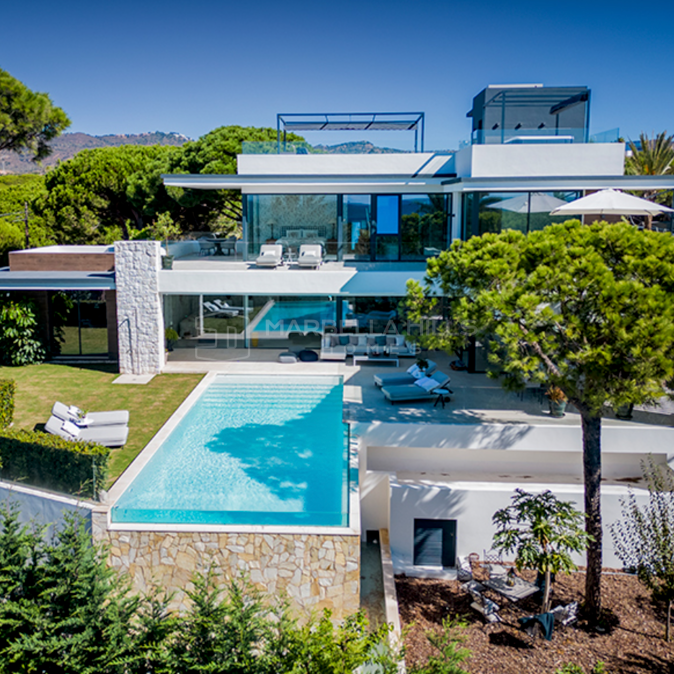
Marbesa, Marbella: a buyer’s guide to East Marbella’s beachside villa suburb
Summary
Discover Marbesa, a unique villa suburb in East Marbella, perfect for those seeking a walk to the beach, quiet streets, and rebuild opportunities. This guide covers its history, location, lifestyle, and buying considerations.
Key Takeaways
- Marbesa offers a unique opportunity to own a detached villa within walking distance of the beach, a rare feature in Marbella.
- The area is characterized by its flat, tree-lined streets with low through-traffic, creating a tranquil atmosphere.
- Value in Marbesa often lies in the plot, with potential for renovation or rebuilding to modern standards.
- Key factors influencing property value include distance from the sea, road noise, plot orientation, and proximity to beach bars.
- Marbesa appeals to families due to its safe, low-traffic environment and proximity to international schools.
It is a flat grid of quiet, tree-lined streets in East Marbella, laid out between the coast road and the sea, given over almost entirely to detached villas on private plots. There are no towers, no resort, and very little passing traffic, because the streets end at the sand rather than leading anywhere else. You can leave the house barefoot, cross two or three roads and be on a wide, pine-backed beach with a chiringuito on it. That sentence is the entire proposition, and it explains everything else about the place, including the prices.
Marbesa was also, unusually, early. It was among the first stretches of coast east of Marbella to be developed, at a point when there was still open shoreline to spare, so it was drawn as a low-density villa suburb rather than the apartment-and-hotel frontage that later beachside Marbella became. Attention then moved elsewhere for decades, to Puerto Banús, Nueva Andalucía, Sierra Blanca and the Golden Mile to the west, and to Elviria and Los Monteros nearby. Marbesa was left alone. That neglect is now the point: it preserved a walk-to-the-beach villa suburb that could not be built today.
This guide is written for buyers weighing Marbesa seriously. It covers what the area is and how it grew, where it sits and what surrounds it, the villas and the plots, the honest renovate-or-rebuild decision, how to read what you are actually allowed to build, a realistic view of prices, running costs and the buying process, and who the address genuinely suits.
A note on what this guide will and won't do. Marbesa is easy to like on a first walk through: the calm, the trees, the sound of the sea two streets away. What a listing will not tell you is whether a particular house is a home to enjoy as it stands or a tired build whose value is really in its land, what those three extra streets back from the beach do to the price, or what a full rebuild would honestly cost and take. Because so much of the stock here is older villas on decent plots, that judgment is central in a way it simply is not in a newer, uniform scheme. We work this market from the buyer's side, so the aim is to let you see the land and the building separately, and price both.

What is Marbesa?
Marbesa is an established, low-density residential urbanisation in East Marbella, within the municipality of Marbella, roughly ten kilometres east of the old town. It sits on flat coastal ground directly behind one of the better beaches on this stretch, and it is given over overwhelmingly to detached villas on private plots, laid out along a quiet grid of leafy streets that run down toward the sea. A small number of apartments and townhouses exist at the margins, but the character of the place is villa-led and has stayed that way.
Three things define it.
The beach, on foot. This is the whole case. Much of Marbesa is within a genuine walk of the sand, a matter of a few hundred metres for the closest streets, and the beach itself is wide, sandy and backed by pines rather than by a wall of buildings, with chiringuitos and beach clubs along it. Villa addresses with that relationship to the sea are scarce on this coast and getting scarcer.
Space and quiet without altitude. Plots here are generous by beachside standards without being estate-sized, gardens are mature, and because the streets serve only the houses on them, there is almost no through traffic. It is flat, which matters more than buyers expect: you can walk and cycle here in a way you cannot on the hillside addresses.
Age, and therefore opportunity. A great deal of Marbesa was built between the 1960s and the 1990s. Some of it has been beautifully renovated or replaced with contemporary homes; a good deal of it has not. On an address where the location cannot be reproduced, that gap between what the land is worth and what is standing on it is where most of the value gets made.
There is a fourth point worth being plain about. Marbesa is not a gated estate and does not present itself as one. There is no barrier, no manned entrance, no resort clubhouse. It is an open, low-key residential suburb. Its security comes from being quiet, residential and overlooked rather than from a gatehouse, and individual villas add their own walls, gates and alarms. For buyers who want the discretion and services of a patrolled enclave, Hacienda Las Chapas sits a few minutes inland and is the more natural fit. For buyers who want to walk to the sea from their own front gate, it is not.
How Marbesa grew, and why the plot is the real asset
Marbesa took shape as part of Marbella's first eastward expansion, when this stretch of coast was still largely open and could be laid out as a spacious villa suburb rather than a dense seafront. The houses that went up through the following decades were of their time: single-storey bungalows and Andalusian villas, generously set on their plots, built for a coast that was quieter and cheaper than the one that exists now. Over the years newer contemporary homes and full rebuilds have appeared among them, but the area is essentially built out, and the grid it was drawn on has not changed.
That history explains both the area's central feature and its central opportunity. Because the streets were laid out when land near the beach was plentiful and are now bounded on all sides, the scarce thing here is the position itself, not the buildings occupying it. A sound but dated 1970s house two streets from the sand is, in commercial terms, a plot with something on it, and the honest question is not whether you like the kitchen, but what that plot could become.
The practical effect is that Marbesa rewards thinking like a developer as much as a homebuyer. The strongest value has frequently been made not by paying the premium for a finished contemporary villa, but by buying a tired house in the right position and rebuilding to today's standards, where the numbers and the planning allow. That is not the right path for everyone, since it carries real cost, time and risk, but it is the defining value play of this address, and it is worth knowing which kind of buyer you are before you start viewing.

Where is Marbesa?
Marbesa lies on the coast in East Marbella, about ten kilometres east of Marbella's old town, on the flat ground between the coast road and the sea. It is bordered to the west by the beachside villa areas around El Rosario and Costabella, running on toward Los Monteros; to the east by Carib Playa and the Artola sands; and to the north, just inland across the road, by Hacienda Las Chapas, Santa María Golf and the wider Elviria area, with La Mairena rising in the hills behind and Cabopino and its port a few minutes further east.
Marbesa sits on the flat coastal ground between the A-7 and the sand. Orientation map, positions indicative and not to scale.
Approximate times, worth checking yourself on different days and at different hours:
- The beach: a walk of a few minutes from the closest streets, ten to fifteen from the furthest back
- Elviria commercial centre and its shops: around 5 minutes
- Cabopino port, golf and the Artola dunes: around 5 to 10 minutes east
- Marbella old town: around 10 to 15 minutes west
- Puerto Banús: around 20 to 25 minutes
- La Cañada shopping centre: around 10 to 15 minutes
- Málaga airport: roughly 30 to 40 minutes via the A-7 or the AP-7 toll motorway
The useful thing to note is the balance. You need a car for the supermarket, the schools and the airport, as everywhere on this coast. But you do not need one for the beach, the chiringuito, an evening walk or the paper, and on a hillside address you would. That is a meaningful difference in how a house actually gets lived in, particularly for a summer home, for families with teenagers, or for anyone thinking about how the place will suit them in twenty years.

Living in Marbesa
What people buy here is not really a house; it is a routine. A villa with a garden and a pool, the beach at the end of the street, a short drive to everything else. The sections below cover what that is actually like day to day.
The beach and the coast
The beach is the reason the address exists. This stretch of the East Marbella coast is wide, sandy and backed by pine and dune rather than by building, and it runs a long way in both directions, west toward Costabella and Los Monteros, east through Carib Playa toward the Artola dunes and Cabopino. Along it are chiringuitos, beach clubs and some of the better-known fish restaurants on the coast, which stay open and busy well outside high season. It is a softer, greener, less built-up seafront than the town beaches of Marbella, and having it at walking distance from a private villa is precisely the thing that cannot be reproduced elsewhere.
Security, privacy and the feel of the streets
Be clear-eyed here, because it is the most common misunderstanding about the area. Marbesa is an open urbanisation, not a gated estate: there is no barrier and no communal security service as standard. What it has instead is the quiet of a grid that leads nowhere except to the beach, low through-traffic, and a settled residential population. Individual owners add their own walls, gates, shutters and alarm systems, and some streets or small communities within the wider area make their own arrangements, including private patrols. If security is high on your list, establish exactly what exists for the specific property and street rather than assuming it applies across Marbesa, because the arrangements are genuinely not uniform.
Daily life and amenities
Within Marbesa itself there is little commercial life, which is deliberate and is part of what keeps it quiet. The exceptions are the beach bars and restaurants along the seafront, which effectively function as the neighbourhood's social centre in summer. For everything else you drive a few minutes: the Elviria commercial centre covers supermarkets, banks, pharmacies, cafés and restaurants, Marbella and its full range of services are ten to fifteen minutes west, La Cañada is close, and Cabopino's marina sits just east. The pattern is the familiar one for a villa suburb, with nothing on foot except the sea, but a genuinely short drive to everything else.
Golf, sport and the outdoors
Marbesa is not a golf address, but it is surrounded by them: Santa María Golf and the Elviria courses immediately inland, Cabopino a few minutes east, and Río Real and Santa Clara toward Marbella to the west. The area's own sporting asset, though, is its flatness and its shoreline: the long beach walk, the cycle along the coast, the swim before breakfast. Padel and tennis are well provided across the neighbouring areas, and the pine woods and hills behind Elviria and La Mairena are close for walking and riding.
Schools and family life
For families, the position is strong. Two of the coast's major international schools are close: the English International College in neighbouring Elviria, and the German School up toward La Mairena, with others across Marbella within a reasonable drive. Combine that with a walkable, low-traffic grid, gardens, and a beach that children can reach without being driven, and Marbesa becomes one of the more genuinely family-workable addresses in East Marbella. It is a place where a twelve-year-old has some independence, which is rarer here than it sounds. For a fuller look at curricula, fees, admissions and waiting lists, see our guide to international schools on the Costa del Sol.
Health and wellness
The day-to-day medical centres, clinics and pharmacies of Elviria and the surrounding areas cover routine needs, and Marbella's private hospitals, along with the public Hospital Costa del Sol, are within roughly fifteen to twenty-five minutes. The private home-visit and emergency service Helicópteros Sanitarios is widely used along this coast and worth knowing about. For a fuller picture of how the public and private systems work, and what cover most international families take out, see our guide to healthcare in Marbella.
Year-round living and the microclimate
Two questions buyers reasonably ask. The first is whether the area empties out of season. Marbesa has a real year-round community, since settled international residents, nearby international schools and the working amenities of Elviria next door mean there are neighbours around and shops open in January. It is quieter in winter than in August, and some of the beachfront trade thins out, but it is not a shuttered summer colony. The second is climate. Being flat, low and directly on the sea, Marbesa is mild and sheltered, catching the sea breeze in summer and staying gentle in winter, with the pine belt behind softening the wind. The trade for that is humidity and salt air, which are real considerations for maintenance, as set out below.
The villas and the plots
Marbesa is, above all, a place of detached houses, and they span a wide range of age and condition.
At one end are the original bungalows and Andalusian villas of the 1960s through the 1980s, often single-storey, characterful, sound but dated, on mature plots. In the middle sit houses that have been fully renovated or modernised, offering contemporary living without a building project. At the top are recently built and brand-new contemporary villas, with the open-plan volumes, glazing, basements, solariums and pools expected at that level, some on the streets closest to the sand.
Plots are generous rather than vast, enough for a proper garden, a pool and privacy, but not on the scale of the large inland estates. Built areas run correspondingly, from modest older houses to substantial modern villas of several hundred square metres with basement accommodation. Some homes have sea views, which on flat ground means the frontline and near-frontline positions rather than the whole area; further back, the outlook is greenery and neighbouring gardens, and the sea is something you walk to rather than look at. That distinction is worth being honest about early, because a great many buyers arrive wanting both a view and a walk, and in Marbesa the view costs a considerable premium.

Position: what actually drives value here
On a hillside address, elevation and aspect drive price. Marbesa is flat, so the variables are different, and they are worth understanding before you view.
Distance from the sand. This is the dominant factor by some margin. The blocks nearest the sea command a substantial premium over those set back toward the coast road, and the gradient is steep, so a difference of a few hundred metres can be a difference of a great deal of money. Walk it before you decide what you are paying for.
Road noise. The coast road runs behind the area and is busy. Properties toward the back of the grid can catch traffic noise, particularly at night and in summer; those nearer the beach generally do not. This is easy to check and easy to forget on a sunny midday viewing.
Orientation and the plot's shape. South and south-west aspects hold the sun through the day and make the garden and pool work properly, and on flat, walled plots the way the house sits relative to its boundaries matters enormously for privacy. Corner and irregular plots behave quite differently from regular ones once setbacks are applied.
Proximity to the beach bars. The seafront restaurants and chiringuitos are one of the pleasures of Marbesa. In August, if you are twenty metres from one, they are also a source of noise until late. Neither good nor bad, but know which you are buying.

Renovate, rebuild or buy new: the honest trade
This is the decision that defines buying in Marbesa, and it is worth facing squarely. Because so much of the stock is older houses in positions that cannot be replicated, three quite different routes are open to you, and they suit different buyers.
Buying new or fully renovated is the simplest: you pay the premium for a finished contemporary home and move in, with no project, no licence and no build risk. It costs the most per square metre, and it is the right path if your time and appetite for a project are limited, which, for a second home bought to enjoy, is often the case.
Renovating an older villa sits in the middle. Many of the original houses here are structurally sound with good bones and generous rooms, and a well-judged refurbishment can deliver a great deal of home for the money. The judgment is whether the existing layout is worth keeping, since older single-storey builds in particular can be hard to open up and reconfigure to modern expectations without effectively rebuilding anyway.
Rebuilding, or buying to demolish and build, is where the largest value has often been created here, and where the area genuinely rewards a developer's eye. A tired house in a strong position, taken down and replaced with a contemporary home built to today's standards, is the classic Marbesa play. It carries the most cost, time and planning risk, and it is not for everyone, but on an address where the land is the asset, it is frequently the smartest route.
None of these is right in the abstract. The point is to decide which kind of buyer you are before you fall for a specific house, and then to price the plot and the building separately, so you know whether you are paying for a home or for land. We are happy to model all three routes for a specific property, including realistic build costs and timelines.
What you can build: reading a plot's buildability
If the plot is the asset, then what you are allowed to put on it is what sets its value, and two plots of the same size can be worth very different sums. This is the single most important thing to establish before buying anything you intend to rebuild or extend, and it is where a serious buyer should do the most homework. These parameters are not a matter of opinion or ambition; they are set by the town's planning rules and by the plot's own file, and a good architect or planning lawyer can read them for you in a morning.
A handful of parameters do most of the work:
- Buildable ratio (edificabilidad): the buildable floor area permitted per square metre of plot. On a low-density villa plot this is typically modest, so a plot may allow noticeably less house than a buyer assumes.
- Occupation (ocupación): the maximum percentage of the plot the building's footprint may cover, which shapes how the house sits in its garden.
- Height and storeys (altura): usually limited to two floors above ground for villas, with a basement that often does not count toward the buildable ratio, which is why so many new homes here put garages, cinemas and gyms underground.
- Setbacks (retranqueos): the minimum distances from boundaries and the road, which can significantly constrain a house on a narrow or irregular plot. On the compact plots typical of a beachside grid, setbacks bite harder than they do on large inland estates.
- Minimum plot size, in some zones, to build at all.
Read a specific plot through its planning file. Ask for the plot's urbanistic details from the Marbella planning department (the cédula or ficha urbanística), which set out its classification and parameters, alongside an up-to-date land registry extract (nota simple). Confirm the land is consolidated urban residential land, check that any existing house is legally built and registered (the declaración de obra nueva) and free of planning infractions, and have an architect run a quick viability study turning the parameters into the actual house you could build. On a rebuild, also confirm whether demolishing and replacing an existing home changes what you may rebuild.
One piece of current context matters. Marbella's property-level planning still runs, at the time of writing, on the framework of the 1986 general plan (the PGOU), after the 2010 plan was annulled in 2015. A new plan under Andalucía's LISTA law is well advanced: the strategic tier (the PGOM) received the regional government's favourable report in February 2026 and awaits final approval by the town hall, while the detailed, property-level rules governing heights, ratios and setbacks sit in a second document (the POU) not expected until around 2027 or 2028. In practice, the parameters for a given plot come today from its current planning file, with a new framework on the horizon that could refine them. Our guide to Marbella's new PGOM sets out what it does and does not change. None of this is a reason for hesitation; it is simply why buildability, on this of all addresses, is a question to settle in writing with your own architect and lawyer before you buy, not after.
One further point specific to a beachside grid: proximity to the shoreline can bring the Ley de Costas and its coastal easements into play for the properties closest to the sea. If you are looking at a frontline or near-frontline plot, confirm the position on the coastal boundary (deslinde) and any associated restrictions as a matter of course.
What you can expect to pay
Marbesa is a villa address, so the entry point is a house rather than a flat, and prices sit in the upper tier of the East Marbella market, with a wide spread depending on how far you are from the sand, the plot, the condition and whether you are buying a home or a project. The figures below are a snapshot for orientation and should be replaced with real numbers for any specific property.
Older houses and bungalows in need of renovation, set back from the beach, broadly start in the region of €1.1 to €1.5 million. Renovated and well-presented family villas typically run from roughly €2 million into the low €3 millions. Recently built and brand-new contemporary villas sit higher again, and frontline or near-frontline beach positions carry a substantial premium on top of all of the above, reaching well into the several millions for the best of them.
Where a property sits in that range depends above all on its distance from the sea, then on the plot, the condition and age of the building, and whether it is a finished home or a rebuild opportunity. For the wider market picture, our Marbella real estate market report sets out current trends, prices and demand.

Buying in Marbesa: resale, rebuild and the taxes
There are effectively three ways in: a finished resale to move into, an older house to renovate, or a property to take down and rebuild. Building plots as such are scarce here, since the area is built out, so the plot usually arrives with a house already on it. The right route depends on your timeline, your appetite for a project and what is available when you look, which is where independent advice across the whole area helps, since any single agent or portal shows you only part of the stock.
On the taxes, Andalusian rules apply and which set depends on what you buy. A resale villa carries transfer tax (ITP) of 7%, plus notary, registry and legal fees of roughly 1% to 2%, so budget in the region of 8% to 9% on top of the price. A new-build bought from a developer instead carries 10% VAT (IVA) plus stamp duty (AJD) of around 1.2%, and build costs on a self-commissioned home carry their own VAT. These are orientation figures and the kind of thing that moves, so get a precise calculation for the specific property before you commit.
Because the area mixes older and newer homes and live building projects, due diligence matters more here than in a uniform scheme. Have your own independent lawyer confirm the licences and planning position, and that the built property matches its registered description, since extensions, closed terraces and pools added over the decades are a common source of discrepancy in houses of this age. Confirm too that community charges, IBI and utilities are paid up. On recently built homes, check whether the developer's ten-year structural guarantee (the seguro decenal) still has time to run, since that cover can pass to you.
The buying process and timeline
For buyers new to Spain the process is more straightforward than it looks, and our guide to the Marbella buying process walks through it in full, but it helps to know the shape of it. The first practical step is an NIE, the foreigner's tax identification number you need in order to buy, which your lawyer can arrange. Once a price is agreed, a reservation deposit takes the property off the market while checks are done. Your lawyer then carries out due diligence on ownership, licences, planning, debts and charges, before you sign a private purchase contract (the contrato de arras) and pay a deposit of usually around 10%, at which point both sides are committed. Completion happens at the notary, where the balance is paid, the title deed (escritura) is signed and the keys change hands.
From an agreed offer to the notary, a resale purchase commonly takes six to ten weeks, faster with a cash buyer and clean title, longer with a mortgage or a complication. A purchase followed by a demolition and rebuild runs to a far longer timetable of design, licensing and construction, which is worth planning for realistically from the outset. Throughout, the single most important thing is to use your own independent lawyer, acting for you alone and unconnected to the seller or developer.
Before you offer: a viewing checklist
On an address where the position often matters as much as the house, a few things are worth checking on the actual property, ideally at more than one time of day and in more than one season:
- Walk to the beach. Time it yourself, from the front gate, in shoes you would actually wear. It is the thing you are paying for.
- Noise. Listen for the coast road at the back of the grid and for the beach bars at the front, and do it in the evening rather than at eleven in the morning.
- Home or rebuild. Decide honestly whether the house is one to enjoy, one to renovate, or one whose value is in the land, and price accordingly.
- Buildability. If a project is part of the plan, confirm what you may build or extend, at what height and footprint, in writing, before you offer.
- Aspect and privacy. Check the orientation for sun on the terrace and pool, and how overlooked the garden is from neighbouring plots.
- Salt, damp and age. On a house near the sea, look closely at metalwork, window frames, roofs and any signs of damp, and budget honestly for coastal maintenance.
- Legal and paperwork. Have your lawyer confirm the licence, that the property matches its registered description, and the position on any extension or pool added over the years.
- Running costs. Ask for the actual recent IBI and utility bills, and any community or maintenance charges attaching to the street or the urbanisation.
- Connectivity. Test the mobile signal on the terrace and confirm fibre at the property rather than in the area.
We are happy to go through this list with you on a viewing and to commission the professional checks that back it up.
The cost of owning
The recurring costs follow the familiar pattern for a villa, with the caveat that firm numbers come only from a specific property. The main lines are IBI (the local property tax, set by Marbella), refuse charges, utilities, home and contents insurance, and the real cost of maintaining a house with a pool and a mature garden. Where a maintenance or community charge applies to your street or small community, confirm what it covers and how it has moved.
Add one line that hillside buyers do not have to think about as hard: the sea itself. Salt air is unkind to metalwork, external joinery, pool plant, air-conditioning units and paint, and a beachside house needs a more attentive maintenance regime than one two kilometres inland. It is entirely manageable, but it should be in the budget rather than a surprise in year three.
For non-resident owners, the deemed non-resident income tax (IRNR) applies even if the property is never let. We are happy to put together a concrete, costed budget for any property you are considering, including the buy-versus-rebuild comparison, since that is often where the real decision sits.

Rentals and investment potential
Marbesa has a genuinely strong rental case, and it rests on the same thing everything else here does: a private villa with a garden and a pool that families can walk to the beach from is exactly what the upper end of the holiday market wants, and there is not much of it. That supports both summer rates and season length, and it is one reason well-presented houses here let well.
The investment thesis, though, is the land. On a built-out beachside grid where the positions cannot be added to, buying a well-placed older house and rebuilding to modern standards is where the strongest returns have most often been made.
Two caveats before you count on rental income. Short-term tourist letting in Andalucía requires registration under the regional tourist licence (VFT) regime, and where a property forms part of a community, its statutes can apply as well, so confirm both for the specific property before building it into your numbers.
How Marbesa compares
Almost everyone weighing Marbesa is also looking at the neighbouring addresses of East Marbella, and the comparison comes down to what you are actually buying: a walk to the beach from a private villa here, against elevation and gated security, golf, or a lower entry price elsewhere. For the wider context, see our complete guide to East Marbella.
| Area | Setting | Typical price level | Best for |
|---|---|---|---|
| Marbesa | Flat, open villa grid running down to the sand | Villa-led, from renovation projects up to several millions frontline | Walking to the beach from your own villa, and rebuild opportunities |
| Carib Playa | Smaller, quieter beachside neighbour to the east | Broadly similar, slightly softer | The same idea on a more intimate scale |
| Hacienda Las Chapas | Gated, low-density villa estate on large plots just inland | Higher, with large plots and 24-hour security | Space, privacy and security, with the beach a short drive |
| Elviria | Larger mixed beach-and-golf suburb inland and east | The genuine entry point of the area | Amenities, a real centre, and apartments as well as villas |
| Los Monteros | Prestige beachside villa address to the west | Higher, especially frontline | Beachfront prestige and proximity to Marbella town |
Indicative positioning for orientation only; price levels move with position, plot, condition and the exact street.
Who Marbesa suits
It suits, very well, the buyer who wants to walk to the beach from a detached house with a garden, which sounds simple and is, in Marbella, surprisingly hard to buy. It suits families who value a flat, low-traffic grid where children can get to the sand on their own, with good international schools a few minutes away. It suits buyers with a developer's eye who can see past a dated house to the position it occupies. And it suits those who want the East Marbella villa lifestyle at the water's edge without paying Golden Mile or frontline Los Monteros prices.
It suits less well the buyer who wants a gate, a guardhouse and a patrolled estate, since Marbesa is an open suburb and does not pretend otherwise. It suits less well the buyer who wants a panoramic sea view, which on flat ground means paying frontline prices rather than choosing a hillside. And it suits less well anyone who wants an apartment, a promenade or a lock-up-and-leave, because this is a suburb of houses that need looking after.
What buyers most often get wrong about Marbesa
They price the house and ignore the position. Distance from the sand is the dominant value driver here. Walk it, and price it, before anything else.
They expect a view because they can hear the sea. Flat ground means views belong to the frontline. Set back, you get greenery and a two-minute walk, which is a fine thing, but it is not the same purchase.
They assume it is gated. It is not, and the security arrangements vary street by street. Establish what actually exists for the specific property.
They underestimate the rebuild. A tired house on a good plot is an opportunity, not a bargain: the licence, the build and the timeline are real, and they need pricing honestly at the outset.
They forget the sea air. A beachside villa costs more to maintain than an inland one. Budget for it rather than discovering it.
They overlook the letting rules. Andalucía's tourist-licence regime is strict, and community statutes can apply. Confirm both before counting on rental income.

A few personal thoughts on Marbesa
If what you actually want is to walk to a good beach from your own villa, Marbesa is one of the very few honest answers left in Marbella, and it is worth paying attention to how rare that has become.
If you are buying to live, be clear early whether you want a finished home or a project. The area offers both in quantity, and they are entirely different purchases with entirely different timelines.
If you are buying to build, this is one of the better rebuild markets on the coast, precisely because the positions cannot be added to. But settle the buildability in writing before you commit, not after.
If you have a family, the flat, quiet grid and the walk to the sand are worth more in practice than a view is, a point that tends to become obvious in the second summer rather than the first.
And if you want a gate, a guard and a hillside panorama, look inland. Marbesa's whole character is the opposite of that, and it is better to know it now than after a viewing.
Frequently asked questions about Marbesa
Where exactly is Marbesa?
Marbesa is a beachside residential urbanisation in East Marbella, within the municipality of Marbella, roughly ten kilometres east of the old town, laid out between the coast road and the sea. It borders Costabella and El Rosario to the west and Carib Playa to the east, with Hacienda Las Chapas, Santa María Golf and Elviria just inland. Málaga airport is around 30 to 40 minutes away.
What kind of properties are there?
Overwhelmingly detached villas and bungalows on private plots, ranging from original 1960s to 1980s houses through fully renovated homes to brand-new contemporary villas. There are only a small number of apartments and townhouses, and no hotels or resort development within the area itself.
Can you really walk to the beach?
From much of Marbesa, yes, and that is the defining feature of the address. The closest streets are a few hundred metres from the sand; the furthest back are a ten to fifteen minute walk. Time the walk yourself from any property you are considering, because the difference is reflected in the price.
Is Marbesa gated or secure?
It is not a gated estate. It is an open, quiet residential grid with very little through traffic, and individual villas add their own walls, gates, shutters and alarms, with some streets making their own arrangements. Confirm what exists for the specific property rather than assuming it applies area-wide.
How much does a property cost?
As a rough guide, older houses in need of renovation broadly start in the region of €1.1 to €1.5 million, renovated family villas typically run from roughly €2 million into the low €3 millions, and new contemporary villas sit higher, with frontline beach positions well beyond that. Distance from the sea is the biggest single factor.
Is it a good place for families?
Yes. The flat, low-traffic streets, the gardens and the walk to the beach suit family life unusually well, and two of the coast's major international schools, the English International College in Elviria and the German School toward La Mairena, are close by.
Should I renovate, rebuild or buy something finished?
It depends on your timeline and appetite. Buying finished is simplest and lets you move in; renovating a sound older house can deliver more home for the money; and buying to demolish and rebuild is often where the most value is created here, though it carries the most cost, time and planning risk. Price the land and the building separately before deciding.
How do I know what I can build?
A plot's buildable size is set by its planning parameters, chiefly the buildable ratio (edificabilidad), the footprint it may occupy (ocupación), the permitted height and storeys, and the setbacks from its boundaries. These come from the town's planning rules and the plot's own file (the cédula or ficha urbanística), obtained from the Marbella planning department, alongside a land registry extract. Have an architect translate the parameters into the actual house you could build, and note that property-level rules currently derive from the 1986 general plan, with a new framework (the PGOM, and later the POU) in progress.
Can I rent my property out?
Villas that can walk to the beach let well to families in the upper end of the holiday market. Short-term tourist letting requires an Andalusian tourist licence (VFT), and community statutes may apply where relevant, so confirm both for the specific property before counting on rental income.
Does it get quiet in winter?
Quieter, but not empty. Marbesa has a settled year-round community supported by the nearby international schools and the working amenities of Elviria, so there are neighbours and open shops in January, though some of the beachfront trade thins out.
Discover Marbesa
If you are seriously considering Marbesa, the best place to start is a conversation. We know the area street by street: which blocks are a true walk to the sand and which only look it on a map, where the coast road can be heard in the evening, where the value is in a finished home and where it is really in the land, and which houses are quietly for sale before they reach a portal.
You can browse current properties for sale in Marbesa, look more widely across East Marbella, or get in touch and tell us what you are really looking for. A short conversation usually tells us whether Marbesa is right for you, and if it is, the next one is about finding the position that makes it work.
Villas and plots for sale in Marbesa
Contemporary Beachside Luxury Villa for Sale in Marbesa, Marbella – Modern Mediterranean Living Steps from the Sea
Marbesa, Marbella Este Reduced from €4,995,000€4,750,000This newly built contemporary villa is located in the exclusive beachside residential area of Marbesa, one of Marbella East’s most…
- View Property
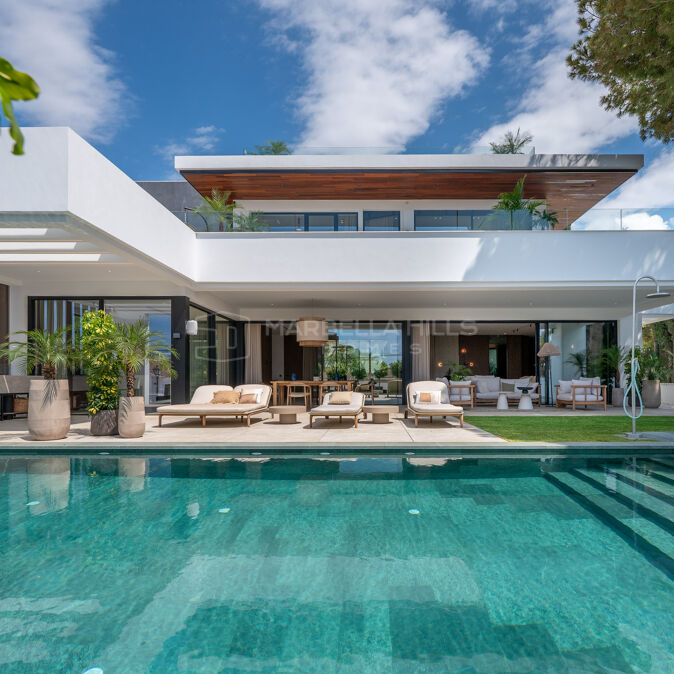
Luxury Beachside Villa for Sale in Marbesa Marbella East, Modern Villa Walking Distance to the Beach with Sea Views
Marbesa, Marbella Este Reduced from €4,000,000€3,750,000Luxury beachside villa for sale in Marbesa Marbella East, modern villa walking distance to the beach with private pool and…
- View Property
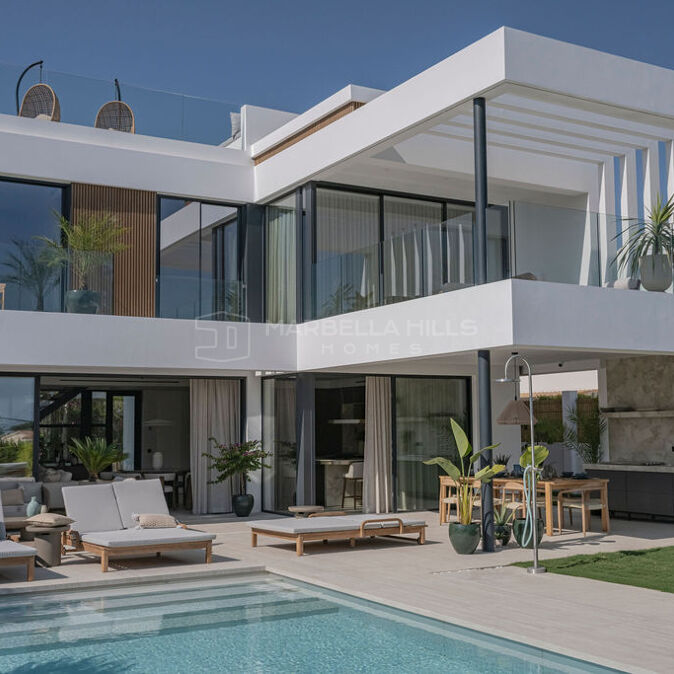
Villa for Sale 50 Metres from the Beach in Marbesa, Marbella East
Marbesa, Marbella Este €2,650,000This exceptional villa for sale in Marbesa, Marbella East is located just 50 metres from the beach, offering a rare…
- View Property
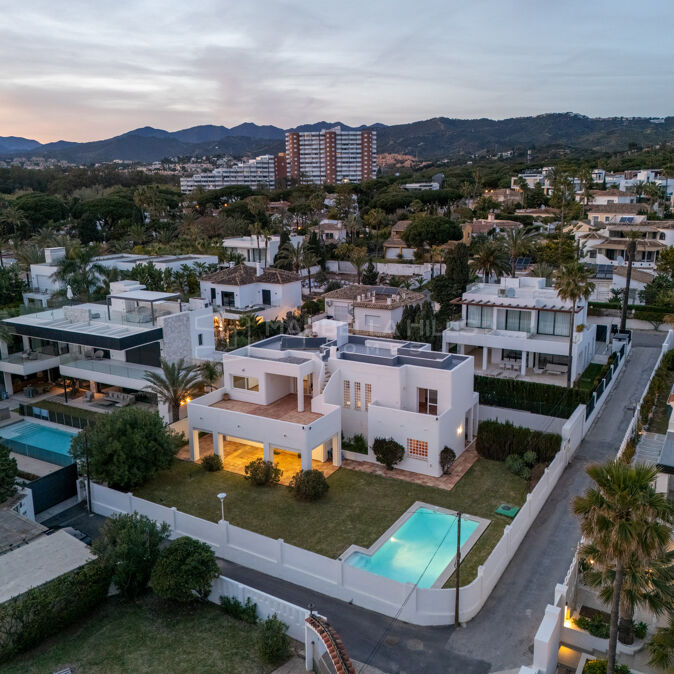
Premium Plot with Approved Luxury Villa Project Just 400m from the Beach in Marbesa, Marbella East
Marbesa, Marbella Este €1,500,000An exceptional opportunity for investors and lifestyle buyers alike: this prime 872 m² plot in the prestigious beachside enclave of…
- View Property
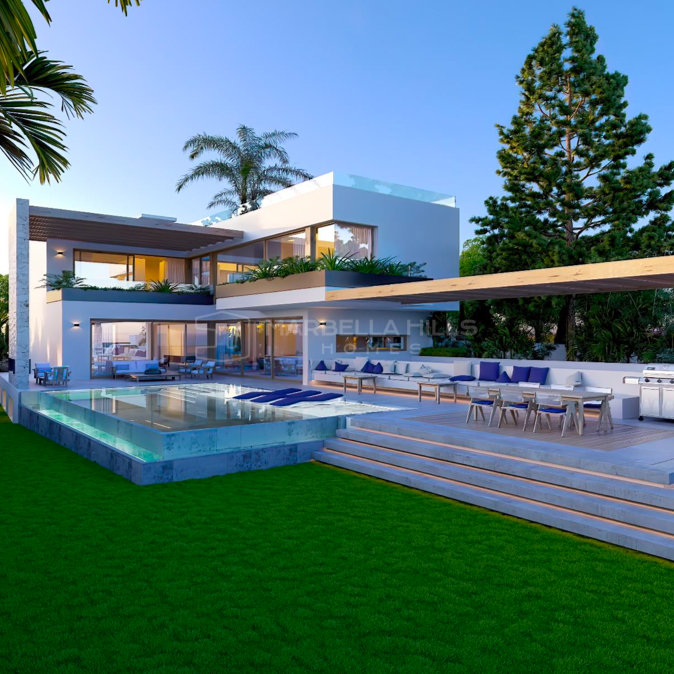
Luxurious 5 bedroom Villa in Marbesa: Ultimate Costa del Sol Living
Marbesa, Marbella Este €1,800,000Nestled in the beachside neighborhood of idyllic Marbesa, this exquisite villa epitomizes luxury living along the Costa del Sol. With…
- View Property
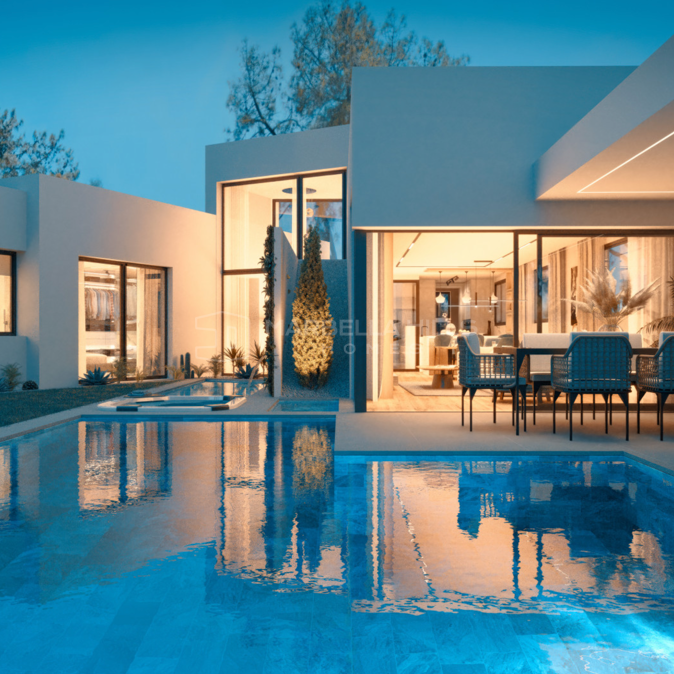
Remarkable 7 bedroom beachside Villa with sea views in Marbesa - Marbella East
Marbesa, Marbella Este €6,250,000This fantastic villa on three levels offers seven bedrooms, all with en suite bathrooms, a bright and spacious living/dining room,…
- View Property