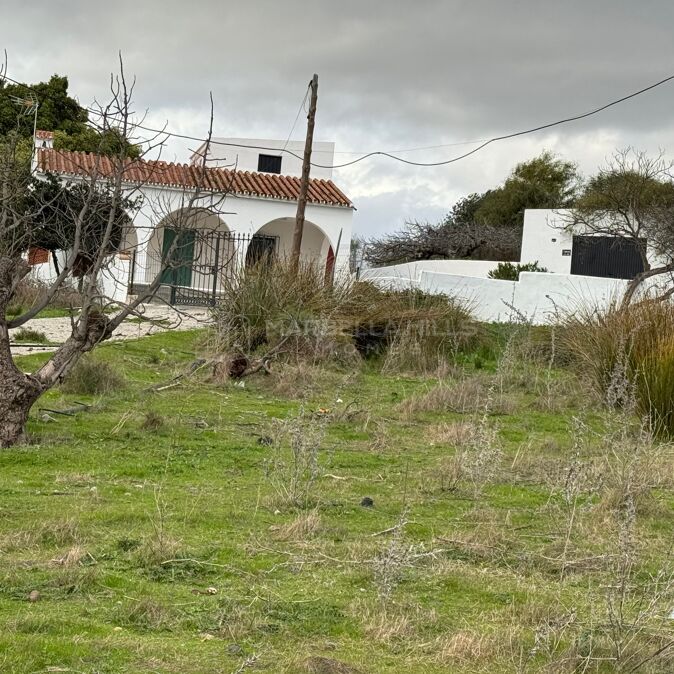
Country living near Marbella: a buyer’s guide to fincas and country homes
Summary
A few minutes inland from the coast, Marbella’s hills and valleys offer a different way of living: country villas, fincas and village houses with land, views and quiet. This guide explains where to look, what it costs, and the rural checks that matter most before you buy: planning status, water, drainage and fire.
Key Takeaways
- The main country areas near Marbella are the Istán road and Río Verde valley, Ojén, the Benahavís valley, the La Mairena hills and inland Estepona.
- Recent asking prices run from about €250,000 for a small cortijo or village house to €1–2.5 million for a villa with land, and up to about €8 million for the largest estates.
- On rural land, the legal status of the house matters more than anything else: a licence, or a recognised “AFO” status, decides what you can register, connect and rebuild.
- Water, drainage and access are your own responsibility in the countryside; check the well, the septic system and the road before you offer.
- Homes near forest must keep a cleared fire-safety strip, and the high-risk season runs from 1 June to 15 October.
Before You Buy a Country Home near Marbella
Most people picture Marbella as beaches, marinas and golf. A few minutes inland the picture changes: cork oaks, olive and avocado terraces, a lake below the mountains and white villages where life still follows the seasons. For many buyers, that is the real luxury of the coast.
Country living near Marbella means a villa or finca on its own land, usually with views to the sea or the mountains, a long drive from the gate and very few neighbours. It also means taking on things a city apartment never asks of you: the legal status of a house on rural land, your own water and drainage, the access road and the fire risk of the forest around you.
This guide is for buyers deciding whether the countryside suits them and where to look. It covers the main areas, what you can buy, prices, the costs of buying and owning, and the rural checks that decide whether a purchase is a good one.
Country living near Marbella at a glance
| Main areas | Istán road and Río Verde valley, Ojén, Benahavís valley, La Mairena hills, inland Estepona and Cancelada |
| Distance to the coast | About 5 to 20 minutes' drive, depending on the area |
| Homes | Country villas and fincas on land, village houses, rural plots |
| Typical land | From a few thousand m² to several hectares |
| Recent asking prices | About €250,000 for a small cortijo to €2.5 million for a villa with land; the largest estates up to about €8 million (2026) |
| Nature | Sierra de las Nieves National Park, Sierra Blanca, Sierra Bermeja, La Concepción lake |
| Key checks | Planning status, water, drainage, access road, fire-safety strip |
| Transfer tax (ITP) | 7% in Andalusia |

Where Is the Countryside around Marbella?
Marbella's coast is backed by mountains: Sierra Blanca behind the town, the Sierra de las Nieves to the north-west and Sierra Bermeja behind Estepona. Between the coast and the peaks lie valleys and hillsides where rural homes are scattered among the trees.
Five roads lead into this countryside. The Istán road (A-7176) leaves the coast just west of Marbella and climbs the Río Verde valley to La Concepción lake and Istán. The A-355 runs from Marbella to Ojén and on towards Monda and Coín. The A-7175 follows the Guadalmina river up to Benahavís. From Las Chapas, a road climbs to La Mairena in the hills behind Elviria. West of San Pedro, small roads lead from Cancelada and Estepona into the valleys below Sierra Bermeja.

The position suits buyers who want space, views and quiet but do not want to give up the coast. Even the furthest areas in this guide are within about 20 to 25 minutes of a beach, a supermarket and an international school.
The Country Areas near Marbella
Each area has its own character, and the difference between them is often bigger than the distance suggests.
| Area | Where | What to expect |
|---|---|---|
| Istán road and Río Verde valley | North-west of Marbella, up to La Concepción lake and Istán | Large fincas and villas above the lake, small country houses on farmland, a quiet mountain village |
| Ojén | Behind Marbella on the A-355 | A white village close to town, country villas and fincas on the hills, Juanar and Sierra Blanca above |
| Benahavís valley | Along the Guadalmina river, behind San Pedro | Valley and hillside homes near a village known for its restaurants, large estates on the slopes |
| La Mairena hills | Above Elviria and Las Chapas | Villas among cork oaks and pines, high up with views to the sea and the mountains |
| Inland Estepona and Cancelada | Valleys below Sierra Bermeja | Fincas of several hectares, often greener and better value, a short drive from the coast |
The Istán road and the Río Verde valley
The Istán road leaves the coast just past Puente Romano and climbs the Río Verde valley for about 15 km to the village of Istán. Halfway up lies La Concepción lake, the reservoir built in 1972 to supply the western Costa del Sol, with homes on the hills around it.
Istán itself is a small village of about 1,700 people at the foot of Sierra Blanca, with Moorish-era irrigation channels, a few restaurants and walks along the river. Part of its municipality lies inside the Sierra de las Nieves National Park, declared in 2021. Homes here range from small country houses on farmland to large estates of several hectares looking over the lake.

Ojén
Ojén is the closest of the white villages to Marbella, about ten minutes up the A-355. It has around 4,800 inhabitants across its municipality, a lively village centre and the Juanar refuge and trails above it, where the path to the Mirador del Macho Montés rises above 900 m.
The countryside around Ojén has country villas and fincas on the hills on both sides of the road, many with views down to the sea. Ojén lies in the protection zone around the Sierra de las Nieves National Park rather than inside it.
The Benahavís valley
The road to Benahavís follows the Guadalmina river inland from San Pedro for about 7 km. The village is known for its restaurants and for Las Angosturas, the gorge where the river runs below the houses.
Around the village, estates such as La Zagaleta and El Madroñal offer large villas in a country setting with the services of a gated community. Further up the valley, independent fincas on rural land are fewer and larger. Part of Benahavís lies inside the national park.

The La Mairena hills
La Mairena sits at about 400 m in the hills above Elviria, about 5 km from the beach. It is mostly in the municipality of Ojén, a mix of villas and some apartments surrounded by cork oaks and pines, with wide views over the coast.
Many plots around La Mairena are sold as country homes but are in fact urban plots within a development. Others, on the edges of the hills, are on rural land. The difference matters for what you may build and rebuild, so check it on the land registry and planning maps for each plot.

Inland Estepona and Cancelada
Behind Estepona and Cancelada, the valleys of the Guadalmansa and Padrón rivers run up towards Sierra Bermeja, a protected mountain known for its rare Spanish firs. Fincas of several hectares are more common here than nearer Marbella, often with a modest house, fruit trees and space for horses.
This is also the area that suffered most from the Sierra Bermeja fire of 2021. Ask how close a property is to the forest and how the land around it is kept.

What You Can Buy
Country homes near Marbella fall into four groups, and the first question for each is the same: is it on urban land or on rural land?
Villas in country-style estates
Some of the most rural-feeling homes on the coast are in large gated estates in the hills, such as La Zagaleta, El Madroñal or parts of La Mairena. They sit on urban land, with planning permission, community services, maintained roads and mains water. You get the views and the space without the rural paperwork.

Country villas and fincas on rural land
The classic finca is a house on its own land, from a few thousand square metres to many hectares, often with olive, avocado or citrus trees, a pool and outbuildings. It is on rural land (suelo rústico), outside any development. This is where the checks in the next section matter most.

Village houses
In Ojén, Istán and Benahavís you can buy a house in the village itself: whitewashed, often on several floors, close to bars, shops and the bus. It is the most affordable way to live in the countryside, though rarely with land.
Rural plots
Buying rural land to build on is possible but tightly limited in Andalusia. A new house not linked to a working farm needs, among other things, a plot of at least 2.5 hectares, at least 100 m from any other building. A plot sold as a building plot on rural land should be checked with the town hall before any offer.
Five Things to Check on a Country Home
In the countryside, the house you see and the house the law recognises are not always the same. These five checks decide whether a country home is a sound purchase.
1. The legal status of the house
Many country houses in Andalusia were built or extended without a full licence. Under the Andalusian planning law (LISTA, 2021), the town hall can order an illegal building to be restored only within six years of its completion. After that, the owner can apply for a status called asimilado a fuera de ordenación (AFO).
AFO does not make the house legal. It recognises that it can no longer be demolished, allows it to be registered in the Land Registry and connected to utilities, and permits repair and conservation works, but not enlargement. An AFO home never receives an occupation licence, and some banks lend less on it or not at all.
The six-year limit does not apply everywhere. There is no time limit, for example, for illegal subdivisions of rural land, for land at risk of floods or landslides, or near the coast. Ask for the building licence and occupation licence, or the AFO resolution, and a town-hall certificate that no planning proceedings are open against the property. Have your lawyer compare the land registry entry, the Catastro description and the house as built.
2. Water
Not every country home is on mains water. Many rely on a well, a spring, rainwater or a water tank filled by truck. A private well may be used for up to 7,000 m³ a year, but it must be registered with the Junta de Andalucía's water authority.
Ask where the water comes from, whether the well is registered, how much it gives in summer and what the water analysis shows. The Costa del Sol came through a serious drought in 2023 and 2024, when La Concepción lake fell to about a third of its capacity. Heavy rain refilled it, and the Junta lifted all drought restrictions in April 2026.

3. Drainage
Most country homes are not on the mains sewer and use a septic tank. In Andalusia, an isolated house more than 100 m from other buildings may use a certified septic tank with a further treatment stage, without a discharge permit. Homes closer together need a shared treatment system or a sealed tank emptied by an authorised company. Ask for the tank's certificate and when it was last emptied.
4. Access, power and internet
Check who owns and maintains the access road, and whether you have a registered right of way over a neighbour's land. A steep unpaved track that floods in winter changes daily life. Ask whether the house is on the electricity grid or runs on solar panels and a generator, and check fibre and mobile coverage at the address. Where there is no fibre, satellite internet is now widely used.
5. Fire
The hills around Marbella are forest, and fire is the main natural risk. The Sierra Bermeja fire of 2021 burnt about 8,400 hectares, and in 2022 a fire near Pujerra led to the evacuation of Benahavís village and nearby urbanisations.
In Andalusia, homes and developments near forest land must keep a cleared safety strip of at least 15 m around them, and urbanisations and isolated settlements in high-risk zones need a fire autoprotection plan. The high-risk season runs from 1 June to 15 October, when barbecues in forest areas and burning garden waste are banned. Ask how the land around the house is cleared and whether the community or the owner has a plan.
Country Property Prices near Marbella
Prices in the countryside depend on four things: the land, the view, the distance to the coast and the legal status of the house. A licensed villa with sea views ten minutes from Marbella and an AFO house at the end of a dirt track can be priced very differently, even with similar land and floor area.
| Type | What you get | Recent asking prices (2026) |
|---|---|---|
| Village house | Townhouse in Istán, Ojén or Benahavís, usually without land | About €250,000 to €800,000 |
| Small country house or cortijo | About 80 to 150 m² on a few thousand m² up to several hectares | About €250,000 to €700,000 |
| Country villa with land | Larger villa of about 200 to 400 m² on 3,000 m² to 2 hectares, often with pool and views | About €1 million to €2.5 million |
| Large estate | Main house, guest houses and many hectares | About €2.5 million to €8 million |
| Rural land | Small rural plots and olive groves, up to large holdings of several hectares | From under €100,000 to about €1 million |
There are far fewer country homes for sale than apartments or villas on the coast, and good ones are slow to come to market. Prices are asking prices; negotiated prices on rural homes often depend on what the legal and technical checks reveal.

Purchase Costs and Taxes
Most country homes are resales, so buyers pay transfer tax rather than VAT.
Resale property in Andalucía attracts Impuesto de Transmisiones Patrimoniales, ITP. The rate is a flat 7 per cent. In September 2026 the Junta de Andalucía announced a cut to 6.75 per cent from 2027, but it still has to be approved with the regional budget. Because the rate may change, we keep the current figure on one page: see property purchase tax in Andalucía.
| Purchase price | ITP at 7% |
|---|---|
| €750,000 | €52,500 |
| €1,500,000 | €105,000 |
| €2,500,000 | €175,000 |
On top of the tax, budget for notary, land registry, your lawyer and, if you are borrowing, the lender's costs. One to one and a half per cent of the price is a reasonable working figure. For a country home, add a building survey and, where relevant, a surveyor's check of the boundaries and a water analysis.
The tax authority can assess ITP on the cadastral valor de referencia rather than the price you paid, if the reference value is higher, so check it before agreeing a price. Buyers who are not tax resident in Spain should take advice on non-resident income tax, IRNR, which applies to a second home whether or not you let it.

The Cost of Owning a Country Home
A country home has no community fees, unless it is in an estate, but it has costs a city home does not.
Land and garden. Clearing the fire-safety strip, pruning trees and keeping terraces and tracks in order is a yearly cost, and a large one on several hectares.
Water and drainage. Pumping from a well, maintaining filters and tanks, buying water by truck in a dry summer and emptying the septic tank.
Power. Grid electricity for a large house and pool, or the upkeep of solar panels, batteries and a generator.
IBI. The municipal property tax is set by each town hall: Marbella, Ojén, Istán, Benahavís or Estepona. On a finca, the house is taxed on its own value, separately from the rural land around it. Ask the seller for last year's receipts.
Insurance. Check that the home insurance covers fire and that the insurer knows the property is in the countryside.

Rentals and Investment
Country homes are bought mainly to live in, not for yield.
Holiday letting of a country villa with a pool attracts families and groups in summer, and an estate can host weddings and retreats. Holiday letting needs registration with the Andalusian tourism register, and a house without an occupation licence may not qualify, so check before counting on rental income.
Long-term letting suits families who want space and schools within reach, but the market is smaller than on the coast.
On a net basis the yield is modest. Upkeep of the land, water, power, insurance, management and empty periods all come off, and non-resident owners pay Spanish tax on rental income.
Living in the Countryside near Marbella
Daily life in the country is quieter and slower, but the coast is never far.
Nature and the outdoors
The Sierra de las Nieves National Park, Sierra Blanca and the Juanar trails are on the doorstep, with walking, mountain biking and riding from many homes. La Concepción lake, the Río Verde and the Guadalmina gorge at Benahavís are popular in summer.
Schools
Most families drive to the coast for school. Several of the international schools on the Costa del Sol are within 15 to 25 minutes of the country areas in this guide. Ojén, Istán and Benahavís have local state primary schools.
Healthcare
The villages have local health centres. For hospitals and specialists, see our guide to healthcare in Marbella; the Hospital Costa del Sol and the private hospitals are on the coast.
Shops and everyday life
The villages have bakeries, small shops, bars and restaurants. For a large supermarket, you drive to the coast. Plan for two cars in most families, as rural bus services are limited.

Getting Around from the Countryside
A car is essential. Approximate drive times, outside peak hours:
| From | Marbella centre | Puerto Banús | Málaga airport |
|---|---|---|---|
| Ojén village | 10 to 15 minutes | 20 to 25 minutes | 40 to 45 minutes |
| Istán village | 20 to 25 minutes | about 20 minutes | 50 to 55 minutes |
| Benahavís village | 20 to 25 minutes | 10 to 15 minutes | 50 to 55 minutes |
| La Mairena | 15 to 20 minutes | 25 to 30 minutes | 35 to 40 minutes |
The last stretch to a finca is often a narrow mountain road or an unpaved track, so add a few minutes and drive it in winter rain before you buy. Istán has a weekday bus to Marbella, and Ojén is served from Marbella bus station.
How Country Living Compares
| Country home | Villa in a gated hillside estate | Villa on the coast | |
|---|---|---|---|
| Space and privacy | Most | A lot | Less |
| Views | Mountains, valleys, often the sea | Sea and mountains | Sea or golf |
| Paperwork | Most complex | Simple | Simple |
| Water and drainage | Often your own | Mains | Mains |
| Distance to beach and shops | 5 to 25 minutes | 10 to 20 minutes | Walking or a short drive |
| Running costs | Land, water and upkeep | Community fees | Community fees |
Who country living suits
It suits buyers who want land, nature and quiet, families with children who love the outdoors, and those who work from home and value space over walking to a café. It is less suited to buyers who want to walk to the beach, need to be in town every day without a car, or prefer not to deal with a well, a septic tank and a garden of several hectares.
The Country Home Buyer's Checklist
Planning status. Building licence and occupation licence, or AFO resolution; town-hall certificate of no open planning proceedings.
Registry and Catastro. The house, its area and the land on the land registry extract and in the Catastro match what you see.
Land classification. Urban or rural land, and any protection: national park, forest, river or coastal zones.
Water. Source, registration of the well, summer yield and a water analysis.
Drainage. Septic tank certificate and treatment stage, or mains connection.
Access. Ownership of the road, registered rights of way and winter condition.
Fire. Distance to forest, the cleared safety strip and any autoprotection plan.
Power and internet. Grid or solar, fibre or satellite, mobile coverage.
Boundaries. A surveyor's check of the plot against the registry and the Catastro.
Running costs. IBI receipts, utility bills and the cost of keeping the land.
What Buyers Most Often Get Wrong About Country Living
Assuming every house is legal. A finca can be on the Catastro, have water and electricity, and still have no licence. Check the planning status before you fall in love with the view.
Expecting to build more. On rural land, extensions and new buildings are tightly limited, and an AFO house cannot be enlarged.
Underestimating the land. Several hectares need clearing, pruning and watering every year, and the fire-safety strip is a legal duty.
Visiting only in summer. See the house and the road after heavy rain, and ask how the water supply held up in the last dry summer.
Forgetting the daily drive. Count the school run, the shopping and evenings out before choosing how far inland to go.
Country Living near Marbella: Frequently Asked Questions
Where are the best country areas near Marbella?
The main areas are the Istán road and Río Verde valley, Ojén and the A-355, the Benahavís valley, the La Mairena hills and the valleys behind Estepona and Cancelada.
How much does a country home near Marbella cost?
Recent asking prices run from about €250,000 for a small cortijo or village house to €1–2.5 million for a villa with land, and up to about €8 million for the largest estates.
Can I build a house on rural land?
Only in limited cases. A new house not linked to a working farm needs, among other conditions, a plot of at least 2.5 hectares, at least 100 m from other buildings, and a special approval.
What does AFO mean?
It is the status of a house built without a full licence that can no longer be demolished. It can be registered and connected to utilities and repaired, but not enlarged, and it never receives an occupation licence.
Is a country home safe from forest fires?
No home near forest is risk-free. Keeping the 15 m safety strip cleared, choosing a house with good access and checking the insurance reduce the risk.
What taxes will I pay when buying?
A resale country home pays 7% transfer tax (ITP) in Andalusia, plus notary, registry and legal fees of about 1 to 1.5%.
Our View on Country Living near Marbella
In our view, a country home near Marbella offers something the coast cannot: space, silence and nature, ten or twenty minutes from the beach.
The difference between a good purchase and a difficult one is almost always in the paperwork, the water and the road, not in the house itself. A well-documented country home holds its value; one with unclear status can be hard to finance and to sell.
If you want to walk to the sea, look at the coast. If you want land, views and quiet, look inland, and take good advice.

Discover Country Living near Marbella
In the countryside, local knowledge changes the outcome. Which homes are fully licensed, which wells run dry in August and which roads close after storms are not in the listing.
We sell property across Marbella, Ojén, Benahavís and Estepona and know the hills behind them well. We would rather tell you before an offer that a home is not right for you than afterwards.
You can browse current country properties for sale, or contact us to see a few country homes and the areas around them.
Properties for sale in La Mairena
Exclusive Luxury Villa for Sale in La Mairena with Panoramic Sea Views and 7,793 m² Estate
La Mairena, Marbella Este €2,800,000Set within the beautiful natural surroundings of La Mairena, in the hills above Elviria in East Marbella, this exceptional five-bedroom…
- View Property
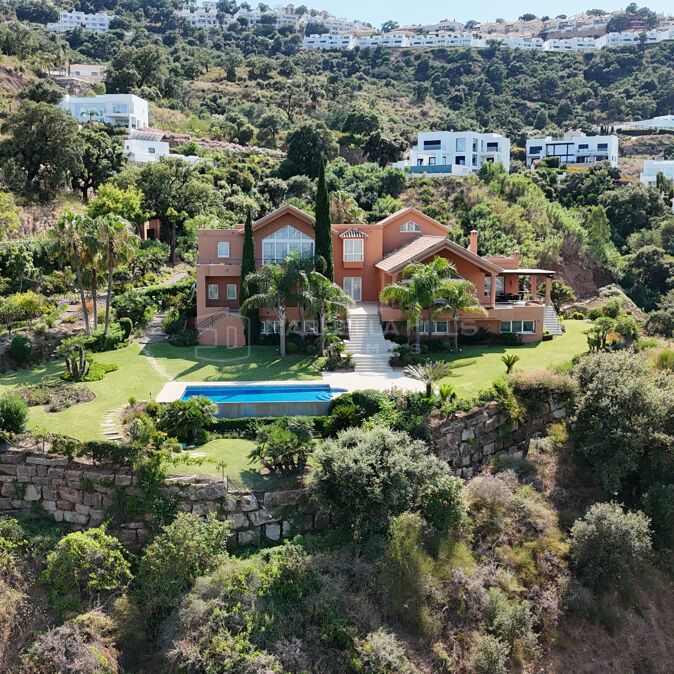
Luxury Penthouse for Sale in La Mairena, Marbella East | Panoramic Sea Views & Expansive Solarium
La Mairena, Marbella Este €635,000Set in the prestigious hills of La Mairena, this exceptional penthouse combines generous living spaces with some of the most…
- View Property
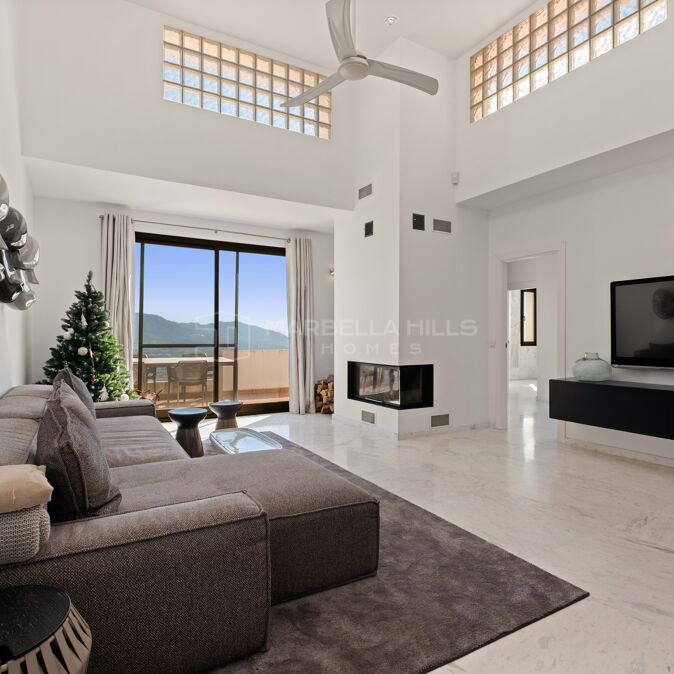
Spacious Ground Floor Apartment for Sale in La Mairena, Marbella East | Large Private Garden & Panoramic Views
La Mairena, Marbella Este €520,000Nestled in the peaceful hills of La Mairena, this exceptional ground-floor apartment offers a rare combination of space, privacy and…
- View Property
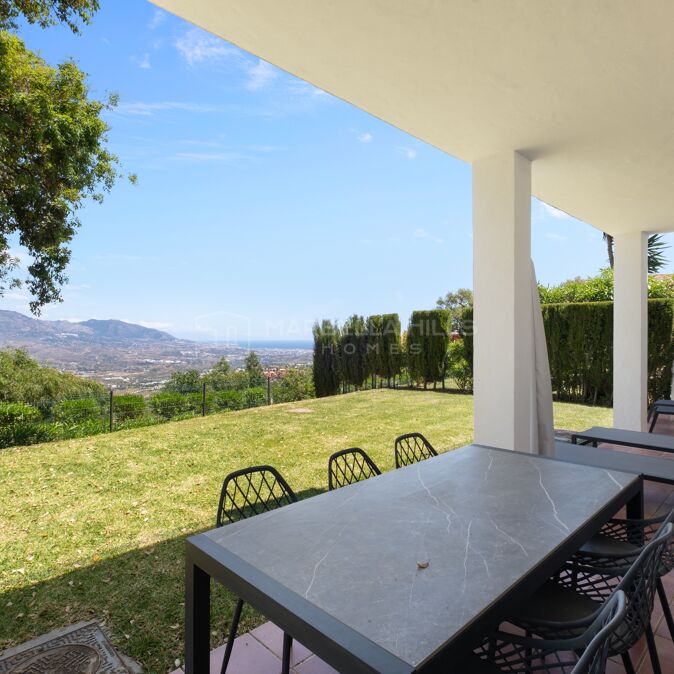
Luxury Contemporary Villa for Sale in La Mairena, Marbella East | Panoramic Sea and Mountain Views
La Mairena, Marbella Este €3,300,000Perched in an elevated position in the exclusive hills of La Mairena, this spectacular contemporary villa offers breathtaking panoramic views…
- View Property
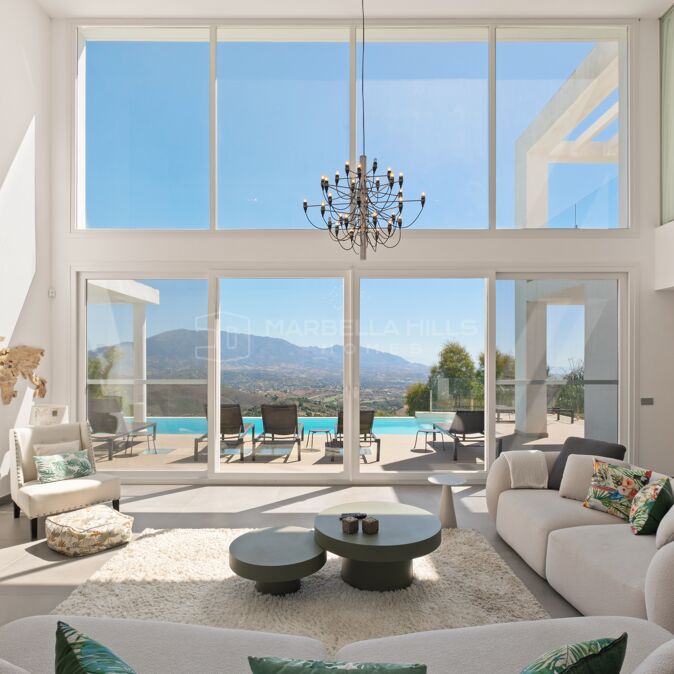
Brand New Villa for Sale in La Mairena Marbella with Panoramic Sea Views
La Mairena, Marbella Este €1,599,000This brand new contemporary villa for sale in La Mairena, Marbella offers an exceptional elevated position with panoramic sea and…
- View Property
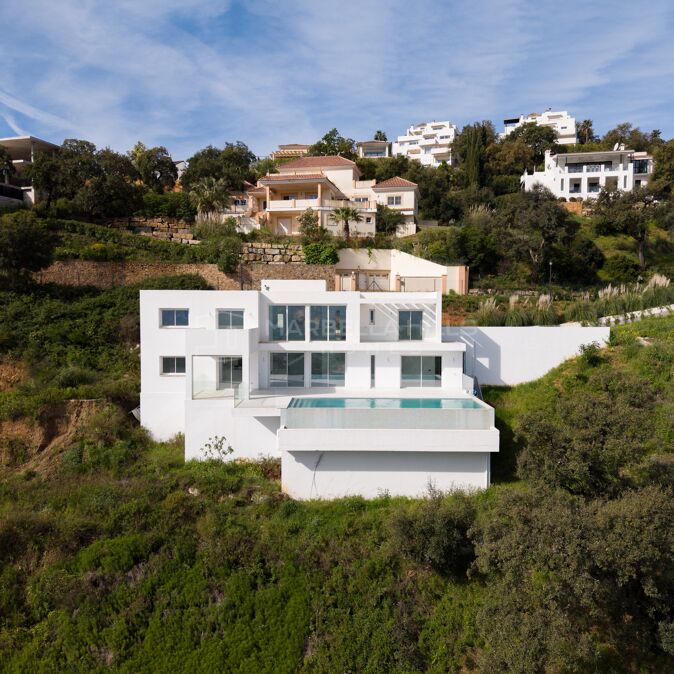
Properties for sale in Ojén
€770,000Set within the prestigious gated community of Palo Alto, just above Marbella in the hills of Ojén, this elegant elevated…
- View Property
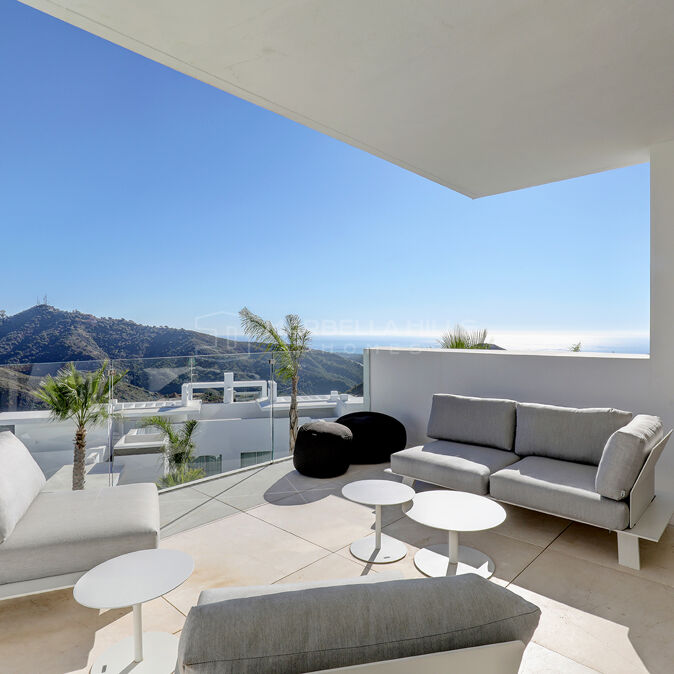
€1,345,000Located within the prestigious gated community of Palo Alto, Marbella, this exceptional ground-floor apartment combines sophisticated contemporary design with the…
- View Property
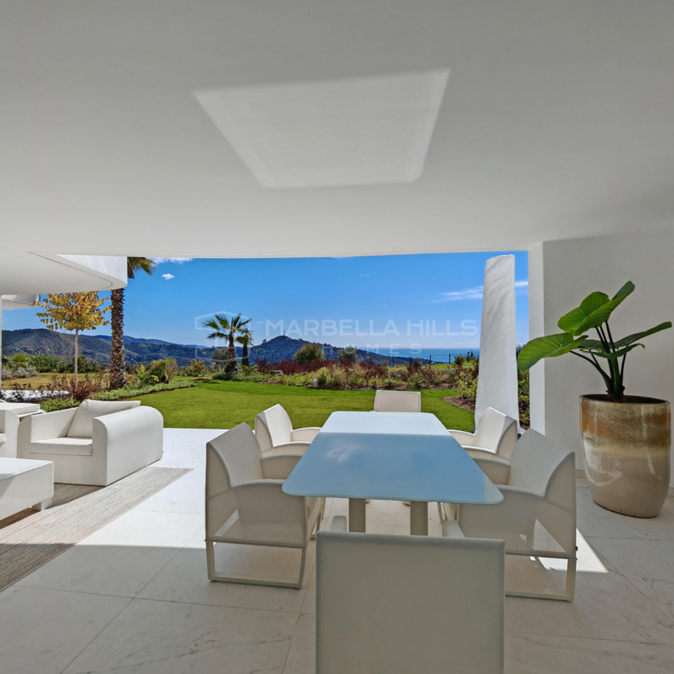
Luxury Corner Ground Floor Apartment with Panoramic Sea Views in Palo Alto, Ojén – Marbella
Palo Alto, Ojen Reduced from €1,695,000€1,595,000Located in the prestigious gated community of Palo Alto in Ojén, just minutes from Marbella town centre, this exceptional corner…
- View Property
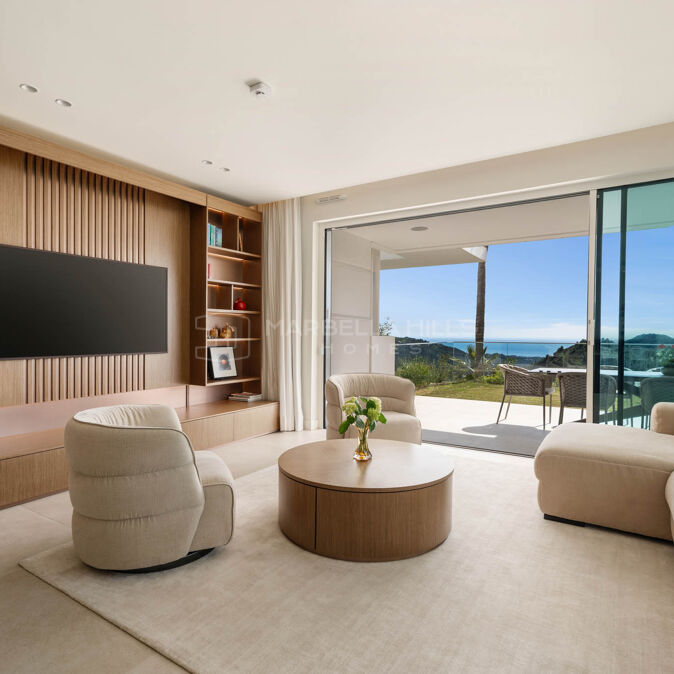
€1,385,000This modern sea view apartment for sale in Palo Alto, Ojén, is located within the exclusive Granados residence, one of…
- View Property
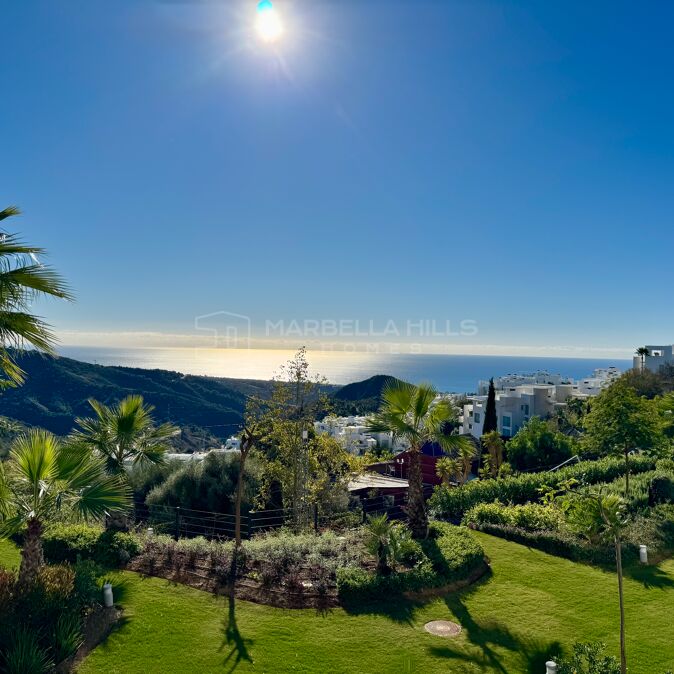
Panoramic Sea View Duplex Penthouse in Palo Alto Ojén
Palo Alto, Ojen Reduced from €2,995,000€2,750,000Set in one of the most privileged positions within the exclusive Palo Alto community in Ojén, this exceptional duplex penthouse…
- View Property
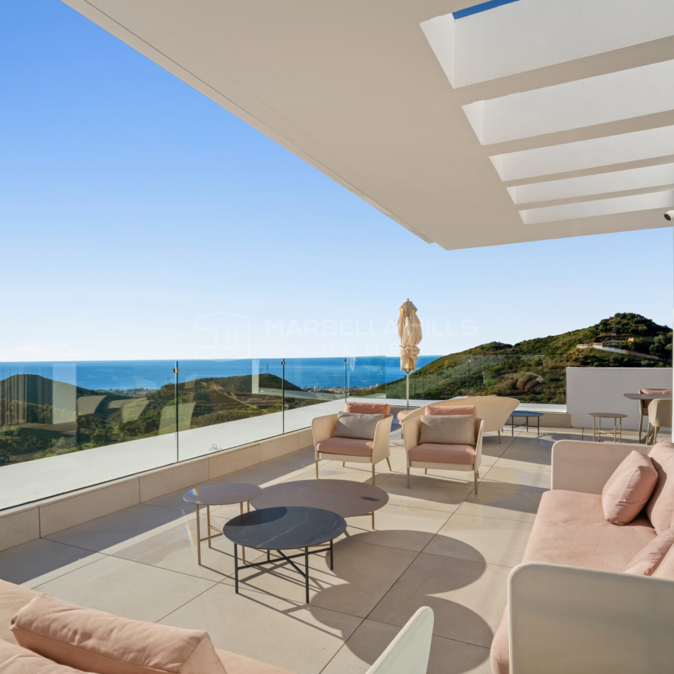
Properties for sale on the Istán road
€4,950,000Set within the spectacular natural landscape of Istán, Villa Lagoa is an exceptional luxury residence offering privacy, space and contemporary…
- View Property
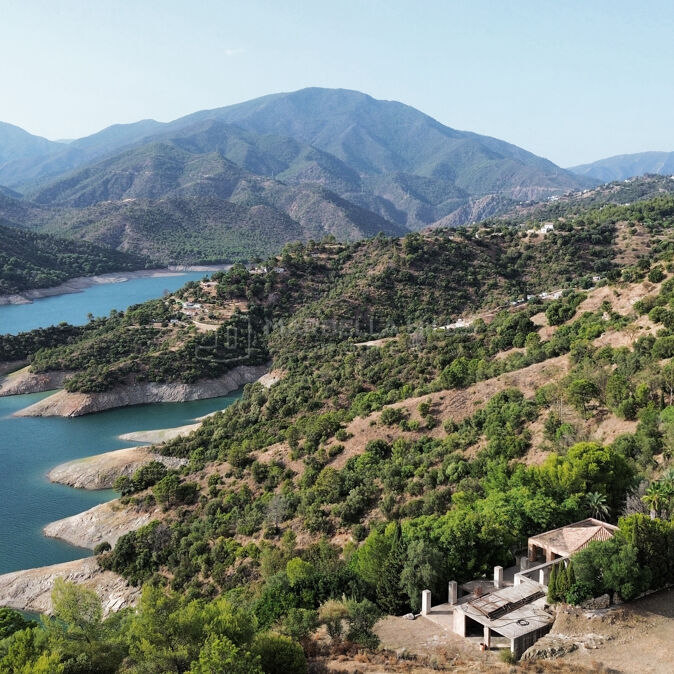
€945,000Set in the peaceful hills of Istán and only five minutes from Marbella’s Golden Mile, this contemporary duplex penthouse offers…
- View Property
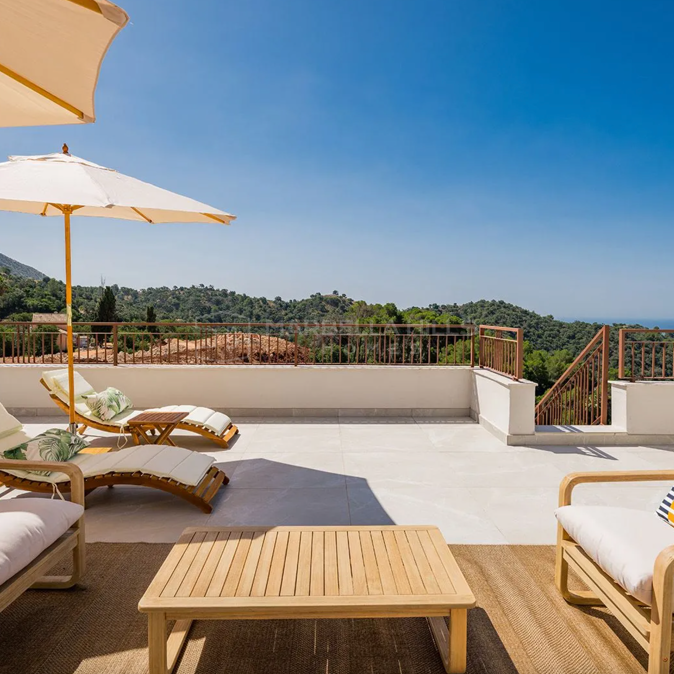
Luxury 3-4 bedroom Villas with Panoramic Sea and Lake Views in the Hills of Istán, Marbella
Sierra Blanca Country Club, Istan Road €1,595,000Set in the heart of nature just minutes from Marbella and Puerto Banús, this boutique collection of only three southwest-facing…
- View Property
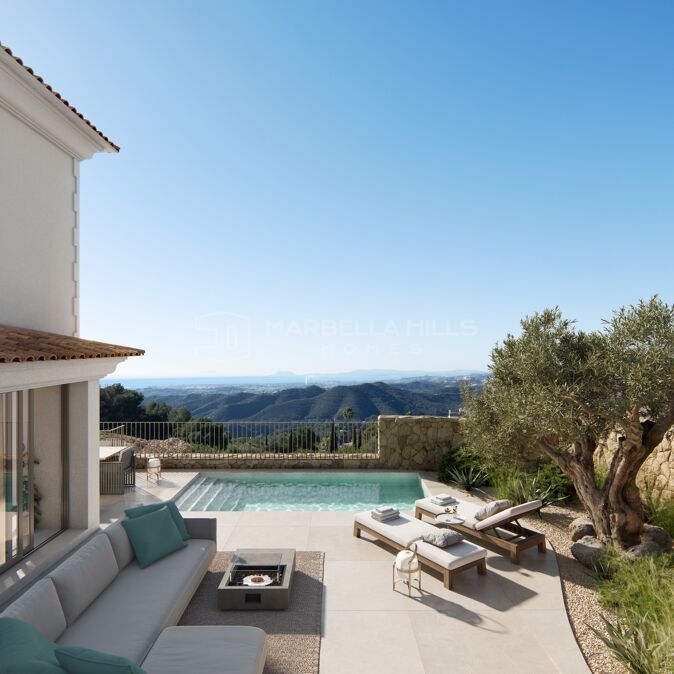
€4,995,000This exceptional villa, located in the picturesque area of Istán by the lake, offers a truly unique living experience with…
- View Property
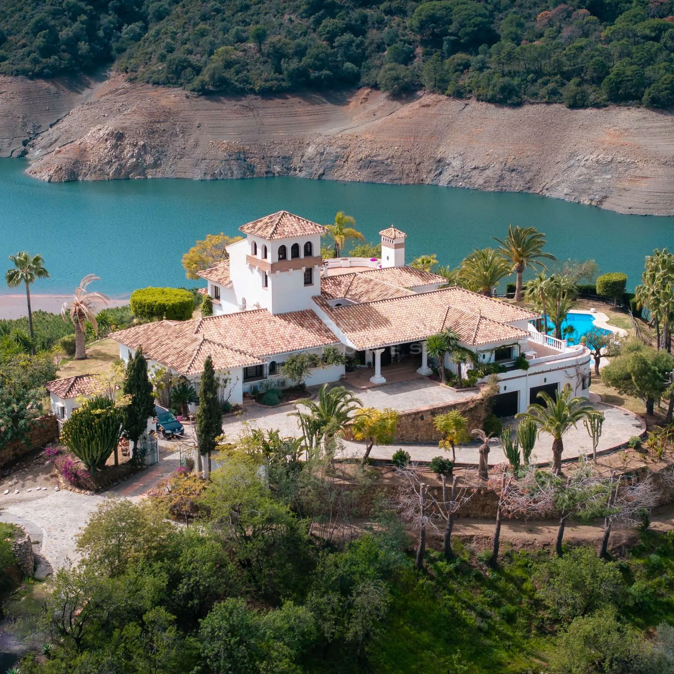
Country properties for sale near Marbella
Traditional Finca with Sea Views on 30,000 m² Rustic Plot in Guadalmansa, Estepona
Guadalmansa, Estepona East €1,410,500Located in the peaceful countryside of Guadalmansa, just minutes from the village of Cancelada in Estepona, this traditional Andalusian finca…
- View Property