

The Golden Mile, Marbella: the complete buyer’s guide to the coast’s most famous address
Summary
Possibly the most favoured residential location in Europe and without doubt the most sought after address on the Costa del Sol, Marbella’s Golden Mile is an avenue that is perfectly located and literally paved with luxurious property gems. The famous street that joins Marbella to the exclusive marina of Puerto Banús is watched over on one side by the breathtaking La Concha Mountain and hemmed beautifully on the other by the Mediterranean Sea. The Golden Mile is best known, and unsurpassed in the region, for offering exemplary real estate for those looking for the epitome in luxury living.
Start with the name, because it tells you something. The Golden Mile is not a mile. It runs roughly four to six kilometres, depending on who is selling and where they draw the line, and it is not one address but dozens, from a 1950s hotel that invented Marbella to villas whose owners you will never meet. The one thing it genuinely is: the most established luxury address in Spain, and one of the most valuable stretches of residential land in Europe. Everything else about it, including where it starts and stops, is more elastic than the brochures suggest.
That elasticity matters, because "on the Golden Mile" is doing enormous work in property marketing on this coast. A frontline beach apartment beside Puente Romano and a villa high in Sierra Blanca are both, accurately, on the Golden Mile. They are also entirely different products, with different lives, different buyers and prices that can differ by a factor of three for the same square metres. The single most useful thing this guide can do is separate the two, and then separate the sub-areas within each, so that when someone says Golden Mile, you know which one they mean.
This guide is for buyers seriously considering the Golden Mile, or trying to work out whether it beats Nueva Andalucía, East Marbella or the Benahavís hills for what they actually want. It covers the geography and the history that produced it, the beachside and the hillside in detail, the property you can buy from 1970s classics to branded new builds, prices and taxes, the lifestyle that people are really paying for, the honest trade-offs nobody advertises, and a practical checklist. The buyers who do best here are the ones who arrive knowing which side of the road they belong on.
A word on what this guide will and won't do. Every agency on the coast will tell you the Golden Mile is prestigious, and they are right, which is precisely why that information is worthless to you. What a listing won't tell you is how the N-340 separates your apartment from your restaurant, what August actually feels like from a terrace beside a beach club, which hillside positions lose the sun in December, why two villas on the same street are priced €4 million apart, or what the plot-level planning situation means for the extension you are quietly planning. We work from the buyer's side, so the aim is to give you the map, the trade-offs and the questions, not the adjectives. Prices, rules and projects change; treat the figures as a current starting point and verify the specifics.

What the Golden Mile actually is
Geographically, it is the coastal corridor between the western edge of Marbella town, around the Río Verde, and the eastern edge of Puerto Banús. Its spine is the old coast road, the N-340, which through this stretch carries the name Bulevar Príncipe Alfonso von Hohenlohe, after the man who started it all. The Mediterranean is to the south. The Sierra Blanca massif, crowned by La Concha at just over 1,200 metres, rises directly to the north. Between them sits a strip of land three or four hundred metres wide in places and a couple of kilometres deep in others, and that is the whole of it.
Administratively it is simply part of Marbella. There is no gate, no boundary sign, no legal definition. Which is exactly why the term gets stretched: schemes several kilometres inland or well past Puerto Banús have been marketed as Golden Mile, and the New Golden Mile, a genuinely useful name for the corridor running west from Marbella toward Estepona, is a different place altogether at different prices. When you are shown something "on the Golden Mile", open a map and check where it actually sits relative to the two anchors: Marbella town to the east and Puerto Banús to the west, with Marbella Club and Puente Romano at the heart.
The essential fact of the place is the split. The N-340 cuts the corridor lengthwise into two markets that behave almost independently:
The beachside, south of the road, is where the hotels, the beach clubs, the frontline apartment estates and a small number of extraordinary villas sit directly on the sand. Land here is effectively finished. You walk to dinner, to the beach and to the promenade, and you pay for that in a currency called scarcity.
The hillside, north of the road, is where the gated villa communities climb the foothills: Nagüeles, Marbella Hill Club, Sierra Blanca, Cascada de Camoján and their neighbours. Here you buy elevation, panoramic views, plots, privacy and a gate, and you accept that everything is a short drive away rather than a walk.
Neither is better. They are different lives, and the honest first question a good agent should ask you is not your budget but whether you want to walk or to look down.
How it happened: one man, one hotel, one invention
The Golden Mile exists because of a decision made in 1954 by Prince Alfonso von Hohenlohe-Langenburg, whose family owned the Finca Santa Margarita on this stretch of what was then a poor Andalusian fishing coast. He turned it into the Marbella Club, a small hotel built around Andalusian cottages and gardens, and then did something more consequential: he invited his friends. His friends happened to be European aristocracy, Hollywood and industrial money, and within a decade the pattern of Marbella was set. Not a resort of hotel towers, but a private world of villas belonging to people who had come as guests and stayed as owners.
Everything downstream of that flows from it. The hillside villa communities were built for the guests. The Puente Romano hotel followed in the late 1970s, adding a second gravitational centre with its Andalusian village architecture and, from 1979, a tennis club opened by Björn Borg that turned the address into a sporting one too. Saudi royalty arrived in the 1970s and 80s, and King Fahd's palace, a widely noted echo of the White House complete with its own mosque, still sits mid-corridor as a reminder of the era. Puerto Banús opened at the western end in 1970 and gave the strip a marina to point at.
Two things follow for a buyer. First, the Golden Mile's prestige is not a marketing invention; it is seventy years of continuous, self-reinforcing demand from people who could have bought anywhere. That is a genuinely rare foundation, and it is the strongest argument for values here holding over time. Second, much of the housing stock dates from that founding era. A large share of the Golden Mile's apartments and villas were built in the 1970s and 80s, which is why condition varies so wildly and why so much of what trades today is either beautifully renovated or a renovation project wearing a famous postcode.
The beachside: what sits on the sand
The beachside is the smaller, scarcer and, per square metre, generally the more expensive of the two. It is built out. Nothing new appears here except by replacing something old, which is the entire investment thesis in one sentence.
Its centre of gravity is the pair of resorts. Marbella Club and Puente Romano face each other across a short stretch of the boulevard and function as the strip's living room: restaurants, beach clubs, spas, the tennis club, and the social life that comes with them. Around and between them sit the frontline residential estates. Marina Puente Romano, immediately west of the hotel, is the best known: 234 apartments in roughly 100,000 square metres of themed gardens with direct beach access, and the one address that reliably draws buyers who want a private garden estate on the sand with a five-star resort attached. We cover it in detail in our Marina Puente Romano guide.
Elsewhere along the beachside you will find a series of gated apartment communities of the same generation, Alhambra del Mar, Oasis Club, Los Verdiales, Casablanca and their neighbours, most built in the 1970s and 80s in the low-rise Andalusian idiom, most with mature gardens and pools, and all trading on position rather than novelty. The condition spread within them is enormous: an untouched original and a full architectural rebuild can sit in the same block.
And then there is the new supply, which is almost non-existent and therefore consequential. UNO Marbella, on the El Ancón site beside Puente Romano, is the significant recent beachfront project on the strip, and its arrival tells you everything about the economics here: 54 homes on around 60,000 square metres with roughly 300 metres of beachfront, and effectively no open-market availability, because a product like that does not need a portal. EPIC Marbella, by Fendi Casa, and the Bentley Home residences at AÍDA occupy the same logic in the branded segment.
The beachside proposition, then: you can walk out of your gate to the sand, to Nobu, to the tennis club and onto the promenade, and you will never be short of a buyer when you sell. What you give up is space, elevation and, in high season, quiet.

The hillside: the villa communities
Cross the road and the product changes completely. The hillside is where the Golden Mile's villas live, in a series of gated communities that climb from the boulevard toward the mountain, each with its own character, security and price level.
Nagüeles is the broad hillside district immediately above the boulevard, mixing gated enclaves, individual villas and, increasingly, the branded new builds that have chosen this side of the road. Marbella Hill Club is the inner Golden Mile in its purest form: a mature, gated community of a few hundred homes in the foothills, five minutes from Puerto Banús, with dual orientation to the sea and to La Concha, and a housing stock that ranges from 1990s Andalusian villas ripe for renovation to architect-designed contemporary rebuilds. Within it, Jardines Colgantes offers the Moorish-Andalusian terraced apartments and rooftop-pool penthouses that are among the few genuinely distinctive apartment products on the hillside.
Sierra Blanca, higher and further west, is arguably the most consolidated luxury villa community in Spain: 24-hour security, generous plots, a broad style range from classic to radical contemporary, and the practical advantage of Swans International School inside the community. Cascada de Camoján, immediately east and pressed against the foot of the mountain, is the trophy end: larger plots, more recent statement villas, higher entry prices, and the most dramatic backdrop on the coast. Around them sit smaller gated enclaves, Lomas de Marbella Club, Altos de Puente Romano, La Carolina, Monte Paraíso, Rocío de Nagüeles, each with its own balance of price, position and privacy.
The hillside proposition: a plot, a gate, a view over the whole bay and, in the higher positions, a level of privacy the beachside cannot offer at any price. What you give up is the walk. From most hillside addresses, the beach, the restaurants and the promenade are a five to ten minute drive, and that is a daily reality, not a detail.

What you can actually buy
Four products, and they behave differently.
Villas, almost entirely on the hillside, from renovation candidates of the 1980s and 90s on 1,000 to 3,000 square metre plots through to new architect-designed houses with every modern system. This is where the widest price range and the biggest value gaps live.
Apartments, on both sides. On the beachside, mostly the mature gated estates and the resort communities. On the hillside, a smaller and more selective offer, including the Jardines Colgantes penthouses and a handful of gated schemes with elevated views. You can browse the current apartments on the Golden Mile and villas to see the two ends of the market side by side.
Branded residences, in a concentration you will not find anywhere else in Europe, which gets its own section below.
Plots and rebuild candidates, the quiet engine of the hillside market. A tired villa on a good plot in Sierra Blanca, Nagüeles or Camoján is often, in reality, a land purchase, and much of the contemporary architecture you admire here started that way. It is also where the planning questions bite, so read the planning section before you fall in love with a demolition.
Why every luxury brand landed here
Marbella has become the branded residence capital of Europe, and unusually, the fashion houses lead rather than the hotel groups. The Golden Mile is the epicentre. Fendi Casa at EPIC, Dolce&Gabbana at Design Hills, the Karl Lagerfeld Villas, Elie Saab above the strip, Bentley Home at AÍDA, and now the biggest name of all: Armani Residences Marbella, 33 homes on one of the last private estates in Nagüeles, delivering in 2028.
The reason is not vanity. It is scarcity. When prime land is finite and the address is already famous, branding is one of the few remaining ways to create genuine differentiation and identity at the top of the market, and it is why these schemes cluster within a few kilometres of each other. For a buyer, the practical point is that branded and non-branded compete for the same money: the sharpest comparison you can run is a branded residence against the best non-branded villa in the same bracket, which is exactly what our guide to Marbella's branded residences is designed to help you do.

Living here: what you are actually paying for
The lifestyle is the product, so it deserves specifics rather than adjectives.
Dining. Puente Romano alone runs to more than twenty restaurants and bars, including Nobu, COYA, Cipriani, GAIA, La Petite Maison, the beachfront Sea Grill and Dani García's LEÑA and BiBo, arranged around La Plaza, the Andalusian square that serves as the resort's social centre. Marbella Club adds its own. This is, by some distance, the densest concentration of serious restaurants in southern Spain.
Sport and wellness. The Puente Romano Tennis Club, opened by Björn Borg in 1979 and affiliated to the Spanish federation, offers eight clay courts and two hard courts plus padel, coaching and professional tournaments. The Six Senses Spa spreads over two floors with sea views. Gyms, both indoors and in the gardens, come with them. Golf is not on the Golden Mile itself: the Nueva Andalucía courses are ten to fifteen minutes away, which matters if golf is your daily habit rather than an occasional outing.
The Forum and the shops. Forum Marbella opened in 2024 directly across the boulevard from Puente Romano, a restored building turned lifestyle hub with cafés, a bakery, an organic market, boutiques, a design store, wellness and restaurants including Florentine, Beast and Fisherman's Daughter, plus a rooftop. Between it, the resort plazas and the neighbouring Marbella Club, the strip has become a genuine luxury retail triangle, with Puerto Banús and El Corte Inglés a few minutes west.
The private club layer. The Owners Club at Puente Romano, sometimes styled the Marbella Members VIP Club, is the private members' club at the heart of the resort, with a lounge, business suite, concierge and privileges across sister properties. It is by invitation or recommendation rather than automatic with any purchase, a distinction worth understanding, and we cover it in our piece on Marbella's members club.
The beach and the promenade. The Paseo Marítimo runs for kilometres in both directions, and it is the strip's most underrated amenity: a flat, continuous walk or ride from the Golden Mile east into Marbella town or west to Puerto Banús, used far more by residents than by visitors.

Schools, healthcare and getting around
For families, the position is unusually good. Swans International School sits inside the Sierra Blanca community itself, with its primary campus at El Capricho a few minutes away, and Aloha College in Nueva Andalucía and the British School of Marbella in Elviria are both a short drive. Our guide to the international schools of the Costa del Sol sets out the curricula, admissions and fees. For healthcare, Hospital Quirónsalud Marbella is around five minutes from most Golden Mile addresses.
Approximate drive times, worth testing yourself in August rather than trusting a table:
- Marbella old town and the Paseo Marítimo: 5 to 10 minutes east
- Puerto Banús: 5 to 10 minutes west
- Nueva Andalucía golf valley: 10 to 15 minutes
- La Cañada shopping centre: around 10 minutes
- Málaga airport: 40 to 45 minutes on the A-7 or the AP-7 toll motorway
- Gibraltar airport: around an hour
The honest trade-offs
The road. The N-340 is the defining fact of daily life here, and nobody's brochure mentions it. It separates the hillside from the beach, it carries real traffic, and crossing it is a considered act rather than a stroll. If you buy on the hillside imagining you will walk to Puente Romano for dinner, go and try the walk before you buy. Most people drive, and in July and August they queue.
Seasonality. From June to September the strip is one of the busiest luxury destinations in Europe. That energy is the point for many owners, and intolerable for others. Beachside terraces near the beach clubs hear the music; hillside gates do not. Visit in August before deciding, not in a quiet February when everything is charming.
The 1970s and 80s stock. A large share of what trades here was built in the founding era. That is an opportunity, since a well-bought renovation on a great position is often the best value on the strip, but it means the condition of the specific home matters more than the address, and renovation costs on this coast have risen sharply. Price the works honestly, and confirm community rules before you commit to a plan.
Planning at plot level. Marbella's urbanism has a long and well-documented history. Plot-level rules still operate under the 1986 general plan after the courts annulled the 2010 plan; a new strategic plan under the Andalusian LISTA framework received a favourable regional report in early 2026 and is moving toward final approval, but the detailed rules governing heights, densities and setbacks will come in a second document expected around 2027 or 2028. For most buyers of a finished home this is background noise. For anyone buying to demolish, extend or rebuild, it is the first thing your lawyer and architect should confirm, plot by plot.
The price of entry. The Golden Mile is not where you find value per square metre. It is where you find liquidity, prestige and the deepest buyer pool on the coast. Nueva Andalucía will give you more house for the money; the Golden Mile will give you more certainty when you sell. Be clear which you are buying.
Construction. With branded schemes and rebuilds under way across the strip through 2028, some addresses will live beside a site for a while. Ask what is approved next door and across the street, not just what is there today.
Position, orientation and views
On the hillside, orientation is the difference between two identical houses. South and south-west positions hold the sun through the day and frame the bay; north-facing plots gain the drama of La Concha and lose the light. Elevation buys view and privacy but adds minutes to every journey, and the very top positions can feel remote in winter. On the beachside, the questions are different: how genuinely frontline is it, does the terrace face the sea or the garden, how close is the nearest beach club, and what is the block's own condition and reserve fund. In both cases, the specific unit or plot beats the address every time, and two neighbours can be priced worlds apart for reasons a listing will never explain.

What to budget: prices
Indicative and moving, so treat them as orientation and get real numbers for anything you shortlist.
On the hillside, resale villa stock across the consolidated communities has been trading around €7,000 to €7,500 per square metre of built area, with new builds typically commanding €10,000 to €14,000. In practice that means a four-bedroom villa in original or partly renovated condition in Marbella Hill Club or Nagüeles commonly starts in the region of €3.5 to €5.5 million, well-renovated homes run from the mid €5 millions into €9 million, and new or architect-rebuilt villas range from €8 to €15 million, with the finest positions in Sierra Blanca and Cascada de Camoján reaching €20 million and beyond. Hillside apartments and penthouses, where they exist, commonly sit between €1.5 million and €4 million or more.
On the beachside, the mature frontline estates start higher per square metre and compress the range: two-bedroom apartments in the best garden estates commonly begin around €2.4 to €2.6 million, renovated three-bedrooms run into the mid €3 millions and €4 millions, and frontline or duplex penthouses reach €5 to €7 million and above. Branded product sits on its own curve, from the high single-digit millions at EPIC into the double digits and well beyond for the villa collections.
The pattern to take away is simple. Condition and position drive value here far more than headline square metres, the gap between an original and a rebuilt home on the same street can exceed €3 million, and the strip's best homes rarely reach a portal at all.
Buying and taxes
Almost everything on the Golden Mile is a resale, which sets the tax treatment: 7% transfer tax (ITP) in Andalusia, plus notary, land registry and legal fees of roughly 1% to 2%, so budget around 8% to 9% on top of the price. New-build and first-transmission homes, including the branded schemes, carry 10% VAT (IVA) plus around 1.2% stamp duty (AJD) instead, so budget 11% to 13%. That difference is large enough to change what you can afford, and it catches buyers comparing a resale villa with a new one on headline price alone.
The process itself is straightforward: a NIE, a reservation deposit, due diligence by your own independent lawyer, a private contract (contrato de arras) with a deposit of usually around 10%, then completion before a notary where the deed (escritura) is signed. Six to ten weeks is normal for a clean resale. Off-plan is a different discipline, with stage payments that must be covered by a bank guarantee (aval bancario), and our complete guide to buying property in Marbella and our new-build guide walk through both routes end to end. Spain's Golden Visa ended in 2025, so a purchase here is a lifestyle and investment decision, not a residency route.
Before you make an offer: the checklist
- Which side, honestly. Decide beachside or hillside before you view, and test the walk or the drive you are assuming you will do.
- The specific position. Orientation, elevation, sight lines and what can be built in front of you, confirmed on a plan rather than from a terrace on a good day.
- Condition and works. Establish whether you are buying a finished home or a project, cost it realistically, and confirm community rules on renovation.
- The community. Fees, the last accounts and minutes, any planned special levy (derrama), and confirmation that the seller is paid up, since unpaid community debt can pass to you.
- Planning, if you intend to change anything. Plot-level confirmation from your own lawyer and architect before you commit to demolishing, extending or rebuilding.
- August. Visit in high season, from the actual terrace, at the actual hour you would be using it.
- Your own lawyer. Independent, acting for you alone, never introduced by the seller.
The cost of owning
The recurring shape is predictable but the numbers are property-specific. Community fees on the beachside estates can be substantial, since they fund gardens, pools, security and staff across large landscaped grounds; hillside gated communities charge for security and infrastructure. On top come IBI, the local property tax set by Marbella, refuse charges, utilities, insurance and, for non-resident owners, the deemed non-resident income tax (IRNR), payable even if you never let the home. A villa with a pool, garden and staff is a different annual proposition from a lock-up apartment: budget for the life, not just the purchase.
Rentals and investment
The Golden Mile is the most liquid prime market on the coast, which is its real investment argument: in any market, this is the address that sells. Values have been supported for decades by finite land, international demand and the simple fact that nothing new can be built on the beachside without removing something old.
On letting, demand is exceptional at the top of the holiday market, especially for frontline homes and renovated villas. The rules matter, though: short-term tourist letting requires registration under the Andalusian tourist licence (VFT) regime, and community statutes can restrict or govern it, so confirm both for the specific property before you count on income. For the wider picture, our Marbella real estate market report sets out current trends, prices and demand.
How the Golden Mile compares
| Option | What you get | Typical entry | Best for |
|---|---|---|---|
| Golden Mile beachside | Frontline or near-frontline apartments and rare villas; walk to beach, resorts and promenade | Apartments from roughly €2.4M; branded and villas far higher | Buyers who want to walk out to the sand and the restaurants, and accept season, footfall and 1970s stock |
| Golden Mile hillside | Gated villa communities, plots, elevation, panoramic views, privacy | Villas from roughly €3.5M; the trophy end well past €15M | Buyers who want land, a gate and a view, and accept driving to everything |
| Nueva Andalucía | The Golf Valley: villas and apartments around Las Brisas, Aloha and Los Naranjos | Meaningfully below Golden Mile per m² | Golfers, families and buyers who want more house for the money |
| East Marbella | Elviria, Las Chapas, Los Monteros: the best beaches, greener, calmer | Well below Golden Mile | Families and beach-first buyers who do not need the address |
| Benahavís and La Zagaleta | Country club living, the largest and most private estates on the coast | Ultra-prime | Buyers who want isolation, scale and absolute discretion |
| New Golden Mile | The corridor toward Estepona; mostly newer stock | Below Marbella prime | Buyers who want contemporary new build at a lower price per m² |
Indicative positioning for orientation only; entry points move with the market and the specific property.
Who the Golden Mile suits
It suits the buyer who wants the surest address in Spain and is buying liquidity and permanence as much as a house: this is the market that holds a bid when others go quiet. It suits anyone whose life is the restaurants, the tennis, the beach clubs and the walk along the promenade, because nowhere else on the coast puts that within a few hundred metres. It suits families, thanks to the schools and the hospital, and it suits the design-led buyer, because the branded and architect-built new supply is concentrated here. And it suits the renovator with nerve: the biggest value gaps on the coast are between a tired villa and a finished one on the same hillside street.
It suits less well the buyer chasing value per square metre, who will do better in Nueva Andalucía or East Marbella. The buyer who wants golf out of the back gate, which means the Golf Valley or Benahavís. The buyer who wants total seclusion, which means La Zagaleta or the higher Benahavís estates. The buyer who wants a big plot on the beach, which essentially no longer exists here. And the buyer who wants brand-new everything without compromise, who will find the choice on the Golden Mile narrow and priced accordingly.

What buyers most often get wrong
They treat "Golden Mile" as one market. It is two, split by a road, and the difference between them is the whole decision. Establish which side a property is on before you get attached to it.
They believe the walk. A hillside address is a driving address. Test the journey you are assuming, in season, before you buy.
They buy the postcode and ignore the condition. Much of the stock is from the 1970s to 90s. The renovated and the original are different products at different prices, and the gap is where both the risk and the opportunity live.
They compare a resale and a new build on price alone. The 7% versus 10% plus 1.2% tax difference, on these values, is a serious number. Compare all-in costs.
They visit in February. The strip in August is a different place. If seasonality would bother you, you need to feel it before you commit, not after.
They assume the extension will be fine. Planning here is plot-level and the detailed rules are still in transition. Confirm before you buy, not after you have hired an architect.
A few personal thoughts
If you want one address on this coast that will always find a buyer, it is this one. Seventy years of continuous demand from people who could buy anywhere is not a marketing claim, it is a track record, and it is why I would rather own an average home on the Golden Mile than a perfect one somewhere unproven.
If you are choosing sides, be honest about how you actually live rather than how you imagine you will. The people happiest on the beachside are the ones who walk out every evening. The people happiest on the hillside are the ones who wanted the gate and the view and never really minded the car.
If you have the appetite, the renovation play remains the most interesting value on the strip. A tired house on a great hillside plot is a land purchase with a view attached, and the finished result usually costs less than buying the same thing done.
If you are looking at the branded schemes, put them next to the best non-branded villa in the same bracket before you decide. Sometimes the brand wins on design and service. Sometimes it just costs more. That comparison is the whole exercise.
And whatever you do, buy the position, not the postcode. The Golden Mile has spectacular homes in mediocre spots and modest homes in irreplaceable ones, and only one of those two mistakes is expensive to fix.
Frequently asked questions
Where does the Golden Mile start and end?
It runs roughly from the western edge of Marbella town, around the Río Verde, west to the edge of Puerto Banús, along the boulevard named after Alfonso von Hohenlohe. It is about four to six kilometres depending on where you draw the line, with Marbella Club and Puente Romano at its heart. The New Golden Mile, running west from Marbella toward Estepona, is a different area entirely.
Why is it called the Golden Mile?
Because of what happened after 1954, when Prince Alfonso von Hohenlohe opened the Marbella Club and brought European aristocracy, Hollywood and international money to a then-poor stretch of coast. Puente Romano, Saudi royal ownership and Puerto Banús followed, and the strip became the most valuable residential corridor in Spain. The name stuck, though it was never a mile.
Is the Golden Mile beachfront?
Partly. The beachside, south of the N-340, includes genuinely frontline estates and the two resorts. The hillside, north of the road, is where most of the villa communities sit, from Nagüeles and Marbella Hill Club up to Sierra Blanca and Cascada de Camoján, five to ten minutes from the sand by car.
How much does property cost on the Golden Mile?
As orientation: hillside villas commonly start around €3.5 million in original condition, run from the mid €5 millions renovated, and reach €8 to €15 million new, with the finest positions well beyond €20 million. Beachside apartments in the best estates commonly begin around €2.4 million and reach €5 to €7 million and above for frontline homes and penthouses. Condition and position matter more than size, so verify against real comparables.
What taxes will I pay?
A resale carries 7% transfer tax (ITP) plus fees, so budget around 8% to 9% on top of the price. A new build, including the branded schemes, carries 10% VAT plus around 1.2% stamp duty, so budget 11% to 13%.
Is the Golden Mile good for families?
Yes, unusually so. Swans International School is inside Sierra Blanca, Aloha College and the British School of Marbella are a short drive, Hospital Quirónsalud Marbella is around five minutes, and the gated hillside communities offer security and space. The main caveats are the coast road and high-season traffic.
Golden Mile or Nueva Andalucía?
Different products. Nueva Andalucía, the Golf Valley, offers more house per euro, golf integrated into daily life and a strong year-round community. The Golden Mile offers the address, the walkability of the beachside, the restaurants and the deepest resale market on the coast. If value per square metre leads, look at the valley; if liquidity and lifestyle lead, look at the strip.
Why are there so many branded residences here?
Because prime land is finite and the address is already world-famous, which makes branding one of the few ways left to create genuine scarcity and identity at the very top of the market. EPIC by Fendi Casa, Design Hills by Dolce&Gabbana, the Karl Lagerfeld Villas, Elie Saab, AÍDA by Bentley Home and now Armani Residences all sit within a few kilometres of each other.
Can I let my Golden Mile property short-term?
Often, but check first. Short-term tourist letting requires an Andalusian tourist licence (VFT), and the community statutes can restrict or govern it. Confirm both for the specific property before you count on rental income.
Discover the Golden Mile
The Golden Mile rewards local knowledge more than almost anywhere on this coast, because so much of what matters, the position, the condition, the community, the quiet availability, never appears in a listing. We work the strip from the buyer's side: which hillside streets hold the light, which beachside blocks are well run and well funded, which villas are really land purchases, how the branded schemes compare with the best non-branded alternative in the same bracket, and which homes are available before they are advertised, if they are advertised at all. Browse property on the Golden Mile, its villas and new developments, read our guides to Marbella Hill Club and Sierra Blanca, or get in touch and tell us how you actually want to live. That conversation usually settles the beachside or hillside question in ten minutes, and everything else follows from it.
Apartments, Villas and plots for sale on the Golden Mile
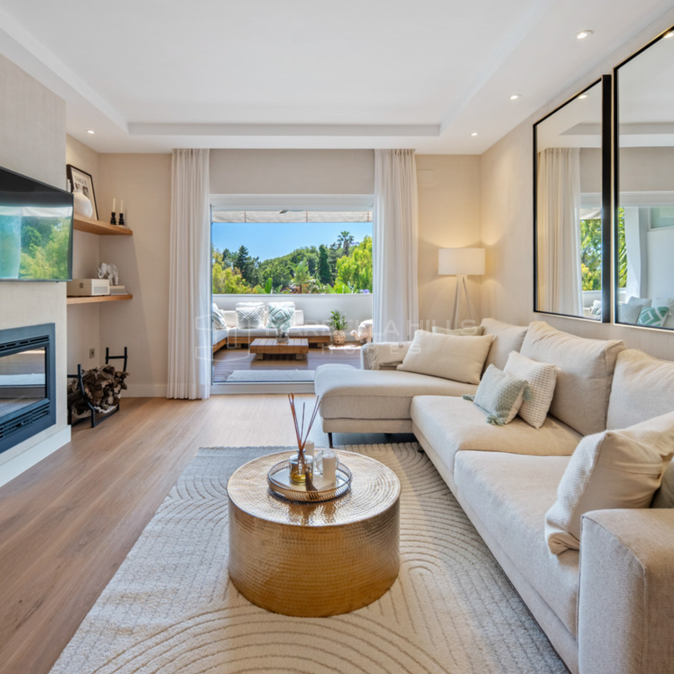
Beautifully Renovated 2 bedroom Apartment for sale in Balcones de Puente Romano, Marbella Golden Mile
Balcones de Puente Romano, Marbella Golden Mile €1,590,000Located within the prestigious Balcones de Puente Romano residential community on Marbella's iconic Golden Mile, this beautifully renovated two-bedroom apartment…
- View Property
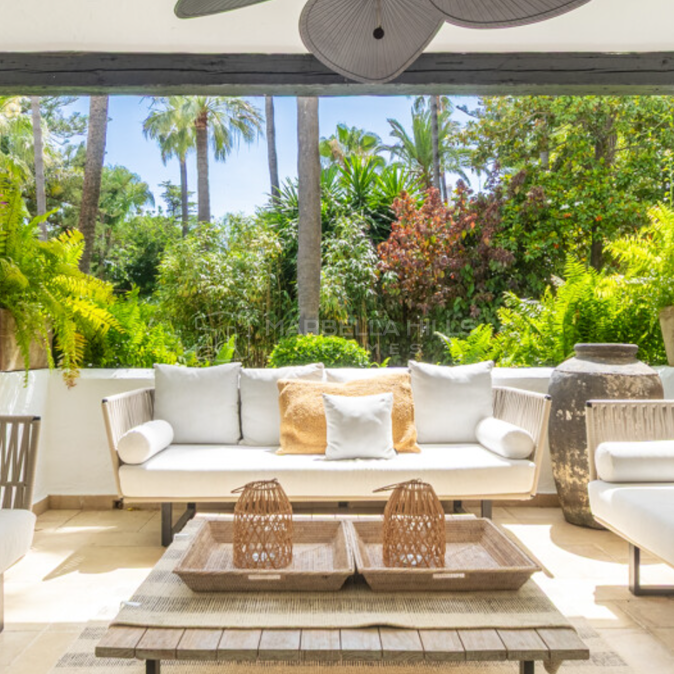
Renovated 2-Bedroom Apartment for Sale in Puente Romano II, Marbella Golden Mile
Marina Puente Romano, Marbella Golden Mile €2,295,000Discover this beautifully renovated ground-floor apartment for sale in Puente Romano II, one of the most desirable residential developments on…
- View Property
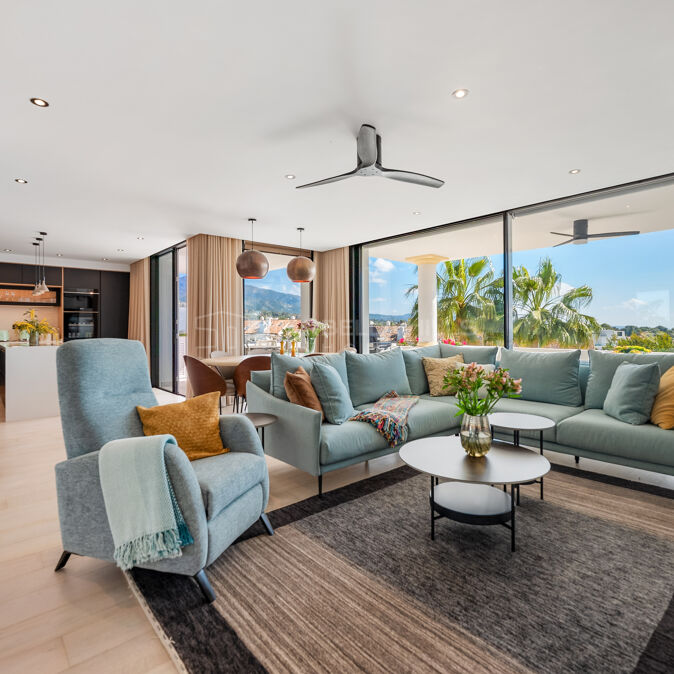
Renovated 3-Bedroom Duplex Penthouse for Sale in Monte Paraíso, Marbella Golden Mile
Monte Paraiso, Marbella Golden Mile €3,000,000This beautifully renovated three-bedroom duplex penthouse is located in Monte Paraíso, one of the most established and prestigious gated communities…
- View Property
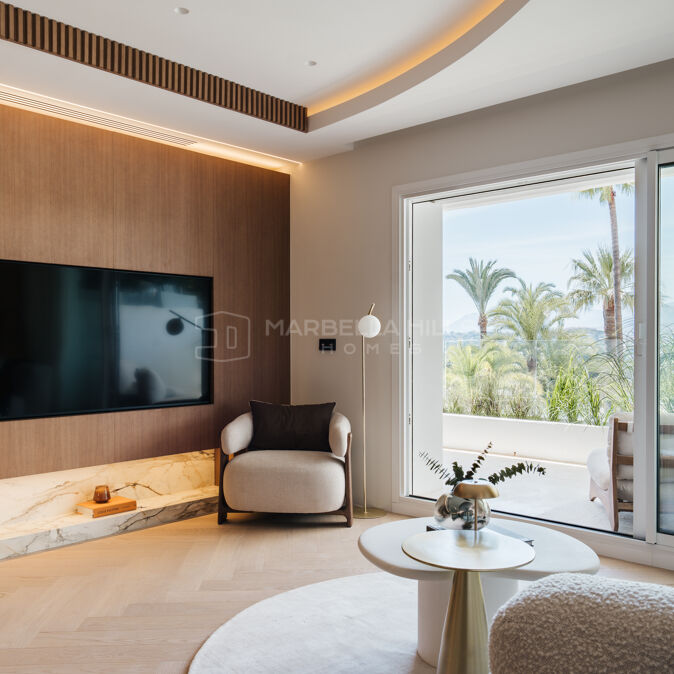
Renovated Apartment for Sale on Marbella’s Golden Mile in Las Terrazas de Las Lomas del Marbella Club
Las Terrazas de Las Lomas, Marbella Golden Mile €1,190,000This beautifully renovated apartment for sale on Marbella’s Golden Mile is located in Las Terrazas de Las Lomas del Marbella…
- View Property
UNO Marbella Garden House for Sale on the Golden Mile
Beach Side Golden Mile, Marbella Golden Mile Price on applicationUNO Marbella Garden House 1 offers the scale, privacy and lifestyle of a contemporary villa within one of the most…
- View Property
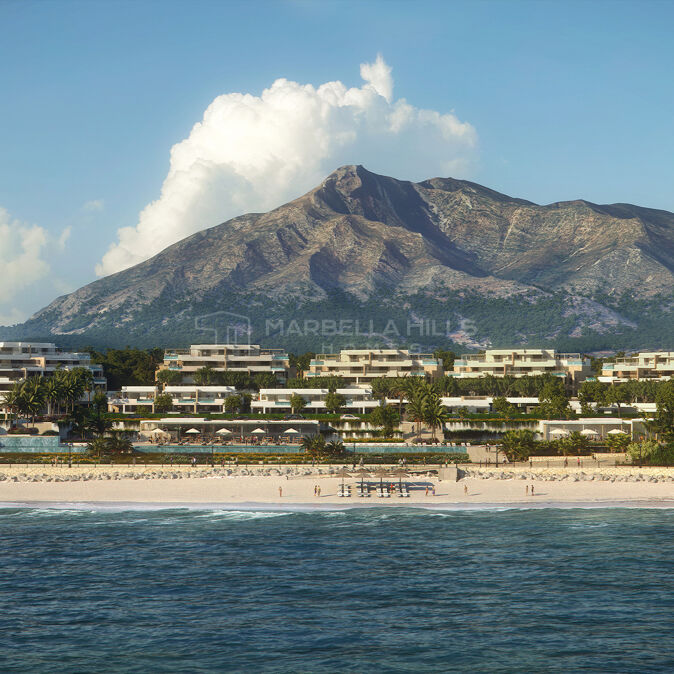
Brand New Villa for Sale in Nagüeles on Marbella’s Golden Mile
Rocio de Nagüeles, Marbella Golden Mile €4,995,000Set in the prestigious residential area of Rocío de Nagüeles, this brand new villa for sale in Nagüeles combines contemporary…
- View Property
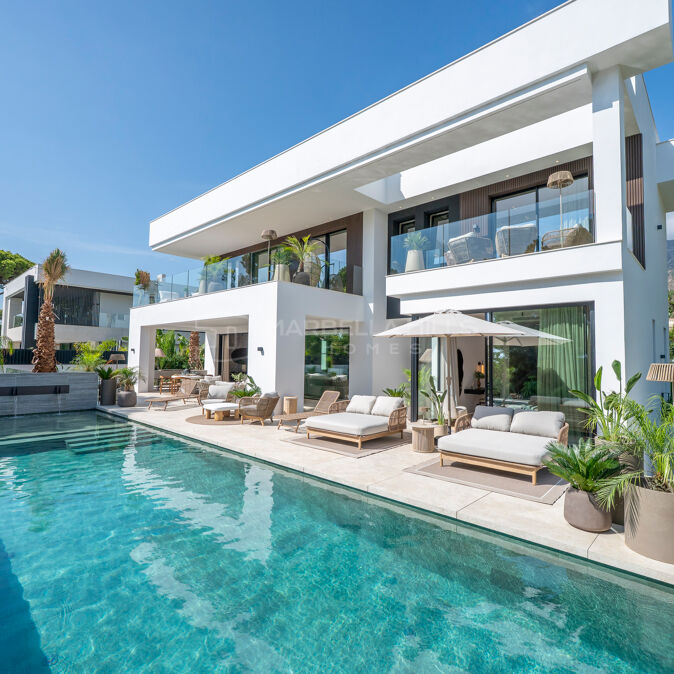
Renovated Villa for Sale in Sierra Blanca, Marbella with Sea Views
Balcones de Sierra Blanca, Marbella Golden Mile €1,795,000Villa Verano is an elegant villa for sale in Sierra Blanca, one of Marbella’s most prestigious residential areas. Set on…
- View Property
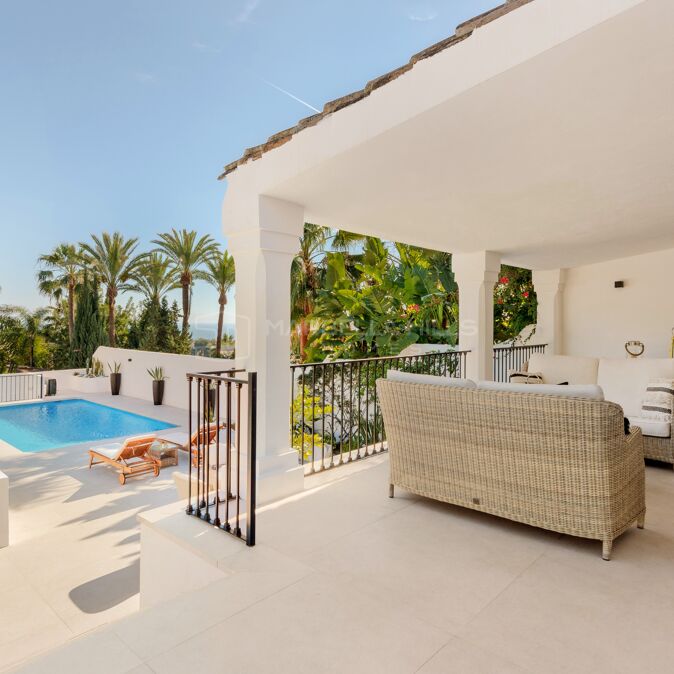
Semi-Detached Villa for Sale in Meisho Hills, Sierra Blanca, Marbella
Meisho Hills, Marbella Golden Mile €3,800,000This exceptional corner semi-detached villa for sale in Meisho Hills is located in Sierra Blanca, one of the most prestigious…
- View Property
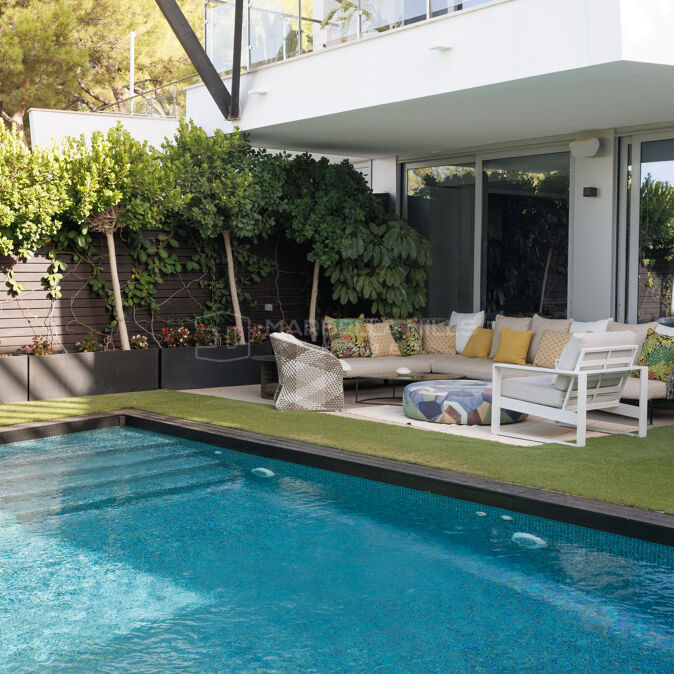
Corner Townhouse for Sale in Nagüeles, Marbella Golden Mile with Sea Views
Corona de Nagüeles, Marbella Golden Mile €1,400,000This spacious corner townhouse for sale in Nagüeles is located in Corona de Nagüeles, a gated residential community on Marbella’s…
- View Property
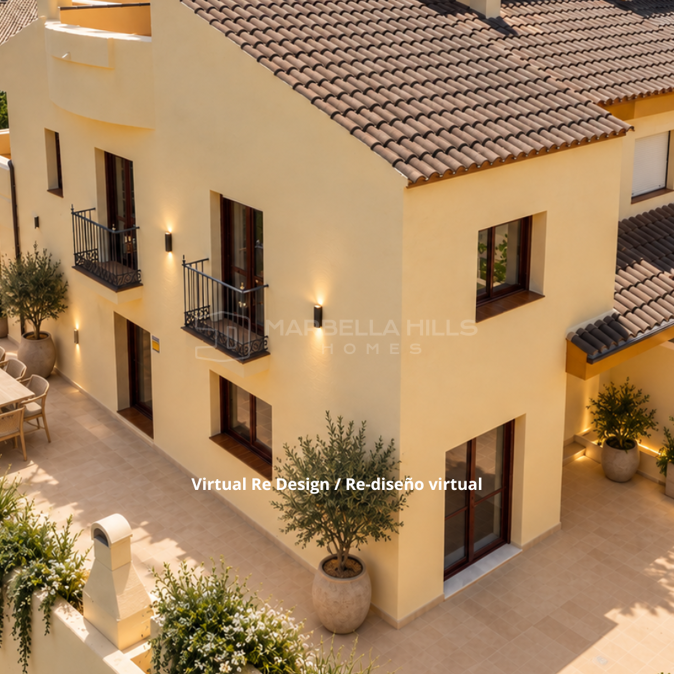
West-Facing Penthouse for Sale in Puente Romano II, Marbella Golden Mile
Marina Puente Romano, Marbella Golden Mile €2,900,000This elegant west-facing penthouse for sale in Puente Romano II offers a rare opportunity to own a beautifully renovated home…
- View Property
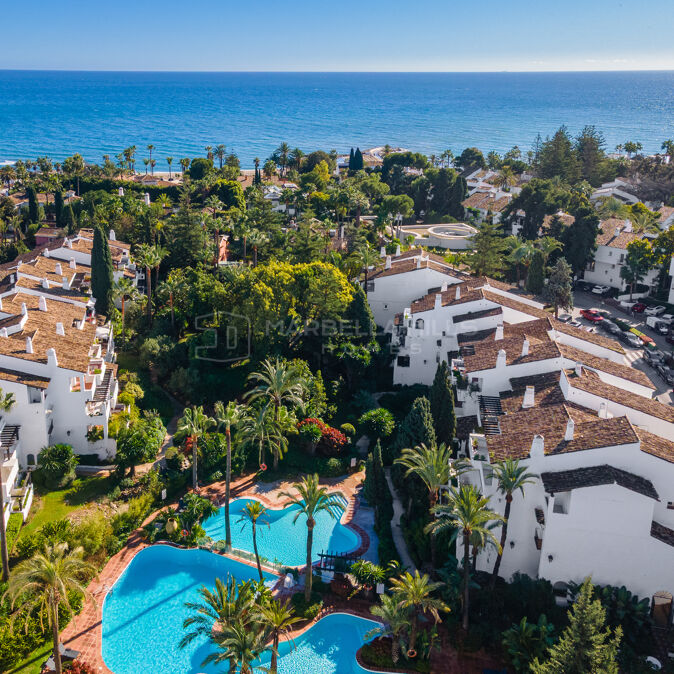
Mediterranean Villa for Sale in Marbella Hill Club, Golden Mile
Marbella Hill Club, Marbella Golden Mile €1,999,000Set within Marbella Hill Club, one of the most established residential areas on Marbella’s Golden Mile, this south-facing Mediterranean villa…
- View Property
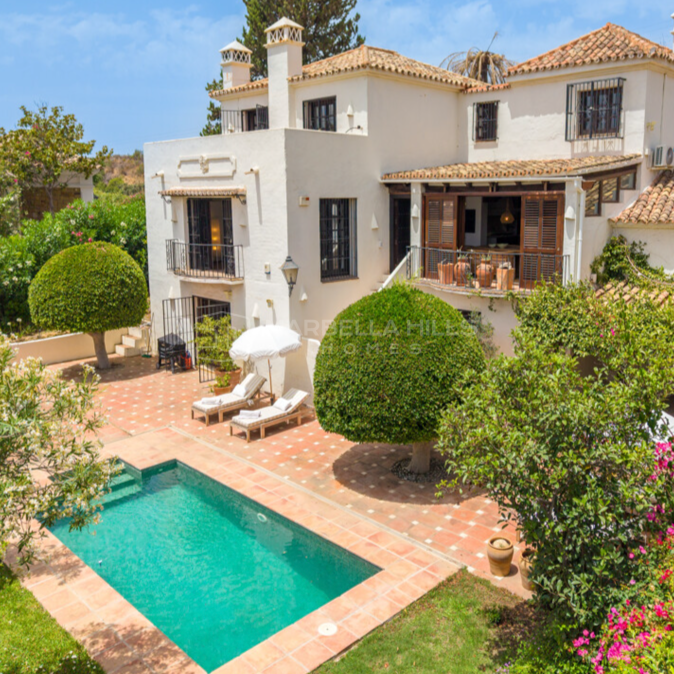
Renovated 3-Bedroom Apartment for Sale in Marina Puente Romano, Marbella
Marina Puente Romano, Marbella Golden Mile €4,495,000Set within Marina Puente Romano, one of the most sought-after residential settings on Marbella’s Golden Mile, this elegant three-bedroom apartment…
- View Property
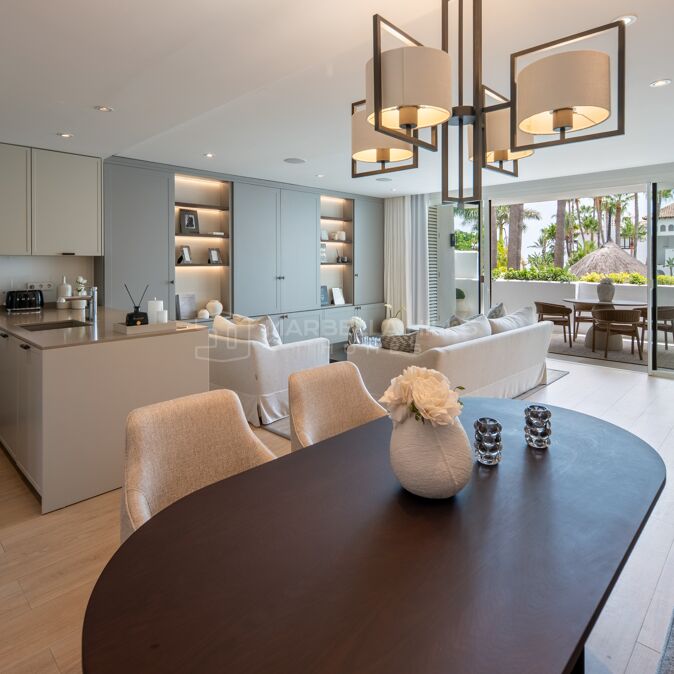
Family Villa for Sale in Rocío de Nagüeles, Marbella Golden Mile
Rocio de Nagüeles, Marbella Golden Mile Under offerSet on a quiet residential street in Rocío de Nagüeles, this family villa offers a more private side of Marbella’s…
- View Property
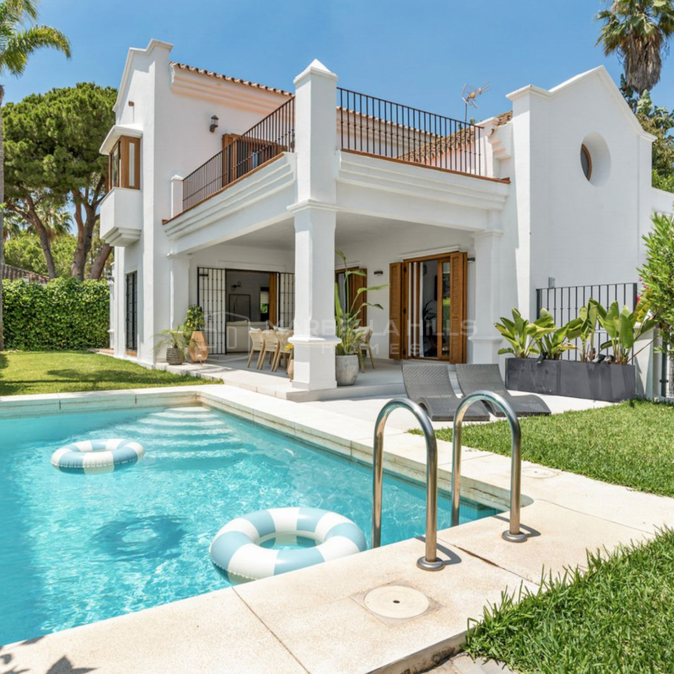
Renovated 3-Bedroom Apartment in Jardín del Mediterráneo, Marbella Golden Mile
Jardín del Mediterráneo, Marbella Golden Mile €2,250,000This beautifully renovated three-bedroom apartment is located in Jardín del Mediterráneo, an established residential community in one of the most…
- View Property
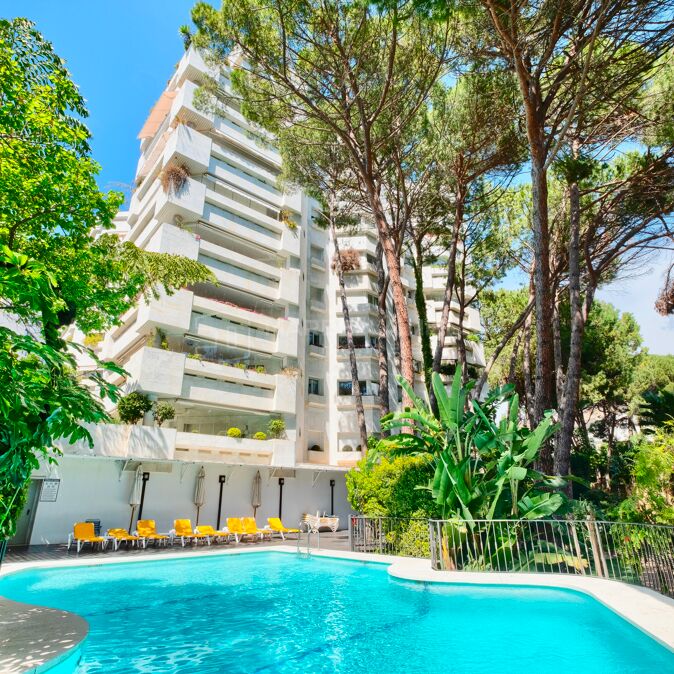
Villa Cypress – Contemporary Beachside Villa for Sale in Casablanca Beach, Marbella Golden Mile
Casablanca, Marbella Golden Mile SoldVilla Cypress is a striking contemporary villa in Casablanca Beach, one of the most desirable beachside residential areas on Marbella’s…
- View Property
Related news


