Marbella’s Jet-Set History: How a Fishing Village Became Europe’s Luxury Address
Summary
Marbella grew from a quiet fishing village into one of the world’s best-known luxury addresses. This article tells the story of the Marbella jet set and what it means for buyers today.
Key Takeaways
- Ricardo Soriano opened Hotel El Rodeo in 1945, and Prince Alfonso von Hohenlohe opened the Marbella Club in 1954.
- Puerto Banús opened in 1970 with a gala attended by Prince Rainier and Princess Grace of Monaco.
- Puente Romano and the Gulf royals made the Golden Mile Marbella’s most famous address in the 1980s.
- After the boom and clean-up of the 1990s and 2000s, Marbella attracts international buyers who live here year-round.
- The Golden Mile, Sierra Blanca and La Zagaleta remain among the most sought-after areas today.
Few places in Europe have changed as dramatically as Marbella. Eighty years ago it was a quiet whitewashed town of fishermen, farmers and miners. Today it is one of the most recognisable luxury addresses in the world, with the Golden Mile, Puerto Banús and a string of five-star resorts, branded residences and private estates.
That change did not happen by accident. A handful of aristocrats, hoteliers and developers, followed by film stars, royals and billionaires, created the legend of the Marbella jet set. Their choices still shape where people live and buy today. This article tells the story, and explains what it means if you are thinking of buying in Marbella now.
Marbella's Jet-Set Story at a Glance
| Year | Milestone |
|---|---|
| 1820s–1830s | Ironworks bring early industry, processing ore from the hills of Ojén |
| 1943 | Ricardo Soriano buys the El Rodeo estate west of the town |
| 1945 | Hotel El Rodeo opens, often called Marbella's first tourist hotel |
| 1954 | Prince Alfonso von Hohenlohe opens the Marbella Club Hotel |
| 1962 | José Banús acquires the land that becomes Puerto Banús |
| 1970 | Puerto Banús is inaugurated with a famous society gala |
| 1979 | Puente Romano opens on the Golden Mile |
| 1981 | The mosque on the Golden Mile opens, a sign of growing Gulf ties |
| 2006 | Operación Malaya: the town council is dissolved and a clean-up begins |
| Today | Branded residences, modern villas and buyers from all over the world |

Before the Jet Set: Fishing Village, Iron and Travellers
For centuries Marbella was a small walled town between the mountains and the sea. Its people lived from fishing, farming and trade, and the coast was regularly threatened by pirate raids from North Africa until well into the nineteenth century. The old town, with its narrow streets and the Plaza de los Naranjos, still shows the scale of that world.
In the 1820s and 1830s Marbella briefly became an industrial town. Ironworks such as La Concepción processed magnetite from the nearby hills of Ojén and built some of the earliest modern blast furnaces in Spain. The industry faded later in the century, and Marbella slipped back into quiet rural life.
Romantic travellers of the nineteenth century, who came to Andalucía for its landscapes and Moorish heritage, wrote about the beauty of this coast. But it took another hundred years before Marbella became a destination in its own right.
The 1940s: Ricardo Soriano and El Rodeo
The modern story begins with a Spanish aristocrat, Ricardo Soriano, Marquis of Ivanrey. In 1943 he bought the El Rodeo estate just west of the town and in 1945 opened the Hotel El Rodeo there. He was one of the first to promote Marbella to his wealthy friends as a place to spend the winter in the sun.
Soriano's most important contribution, though, was a family one. In 1946 he invited his nephew, Prince Alfonso von Hohenlohe, and Alfonso's father to visit Marbella. That visit changed everything.
The 1950s: Prince Alfonso and the Marbella Club
Prince Alfonso and his father fell in love with the coast and soon bought the Finca Santa Margarita, a farm among pines and fig trees by the sea. What began as a family retreat opened in 1954 as the Marbella Club Hotel, with only a handful of rooms in the old farmhouse.
Alfonso's charm and international connections did the rest. With his wife, Princess Ira von Fürstenberg, and his cousin Count Rudi von Schönburg, who joined to run the hotel, he turned the Marbella Club into a meeting point for European aristocracy. Guests came for the relaxed atmosphere: long lunches by the beach, flamenco nights and a discretion that the Riviera had lost.

The 1960s: Film Stars and the Birth of a Legend
By the 1960s Marbella was firmly on the international map. Film stars, writers, royals and industrialists followed the aristocrats, and names such as Brigitte Bardot, Ava Gardner and Sean Connery became part of the local legend. Jaime de Mora y Aragón, brother of Queen Fabiola of Belgium, became one of the town's best-known personalities.
Many visitors bought land and built villas along the coast road between the town and San Pedro. Marbella's population more than doubled during the decade, and the stretch of coast around the Marbella Club began to take on the character that would later earn it the name Golden Mile.
1970: Puerto Banús Opens
In 1962 the developer José Banús acquired land west of Marbella and set out to create a luxury marina designed like a traditional Andalusian fishing village. Puerto Banús was inaugurated in 1970 with a gala attended by Prince Rainier and Princess Grace of Monaco, the Aga Khan, Roman Polanski and Hugh Hefner, among others.
The marina, with room for hundreds of yachts, gave Marbella a second centre of gravity. Superyachts, boutiques and nightlife became part of the image, and the area around the port, including Nueva Andalucía and its golf courses, developed rapidly in the years that followed.

The Late 1970s and 1980s: Puente Romano and the Gulf Royals
In 1979 Puente Romano opened on the Golden Mile, named after the Roman bridge that still stands in its gardens. Together with the Marbella Club it formed the heart of the Golden Mile, and today the area around it is home to residential projects such as Marina Puente Romano.
At the same time, Marbella attracted a new kind of wealth. Members of the Saudi royal family, including King Fahd, built palaces on and above the Golden Mile, and their summer stays, with entourages of hundreds and later thousands of people, became famous across Spain. The mosque on the Golden Mile opened in 1981. Business figures such as Adnan Khashoggi brought yachts, estates and legendary parties.
It was in the early 1980s that the name Golden Mile came into use for the strip between Marbella town and Puerto Banús, with its hotels, palaces and grand villas set back from the beach.

The 1990s and 2000s: Boom, Excess and a Clean-Up
From the 1990s Marbella grew faster than ever. Under the long era of Mayor Jesús Gil, the town saw a building boom, large new residential areas and a famously flamboyant style of local politics. Much of the growth was poorly regulated, and in 2006 the Operación Malaya corruption investigation led to the dissolution of the town council, a first in Spanish democracy.
The years that followed were about putting things right: new councils, legal regularisation of many properties and a long debate about the town plan. Today the planning situation is clearer, and our guide to the new PGOM of Marbella explains what is changing for buyers and owners.
Marbella Today: From Jet Set to Global Address
The jet set has not disappeared; it has changed. Instead of a few dozen famous families, Marbella now attracts entrepreneurs, remote professionals and families from all over Europe, the Middle East, North America and beyond. Many live here year-round, supported by international schools, private hospitals and direct flights from Málaga.
The property market has followed. Contemporary villas, high-quality new developments and branded residences linked to fashion and hotel names now sit alongside the classic Andalusian villas of the 1960s and 1970s. Our guide to luxury real estate in Marbella gives an overview of today's market by area.

Where the Marbella Jet Set Legacy Lives On Today
Each chapter of Marbella's story left its mark on a different part of the map. These are the areas where that legacy is still most visible.
The Golden Mile
The original jet-set address, home to the Marbella Club, Puente Romano, beachfront villas and some of the most prestigious apartment complexes in Marbella. Read our Golden Mile buyer's guide.
Sierra Blanca
Just above the Golden Mile, at the foot of La Concha mountain, Sierra Blanca became the gated villa area of choice for buyers seeking privacy close to town. See our Sierra Blanca guide.
Puerto Banús and Nueva Andalucía
The marina is still the symbol of Marbella glamour, while the golf valley behind it offers villas, townhouses and apartments for a wider range of budgets. Read more in our Nueva Andalucía guide.
La Zagaleta
In the hills of Benahavís, La Zagaleta continues the tradition of private estates for the very wealthy, with its own golf courses and strict privacy. Discover it in our La Zagaleta guide.
The New Golden Mile
West of Puerto Banús, the coast towards Estepona has become a newer address for beachfront living and modern developments. Our New Golden Mile guide explains the area.

What the History Means for Buyers Today
Prestige is built over decades. The areas that attracted the first wealthy residents, especially the Golden Mile and Sierra Blanca, remain among the most sought-after and have historically held their value well.
Older properties need careful checks. Many villas date from the 1960s to the 1980s and have been extended over the years. Check licences, any later additions and the planning status before you buy.
Location within an area matters. Beachside or north of the A-7, walking distance to Puerto Banús or a short drive away: small differences in position make a big difference to price and lifestyle.
The market keeps renewing itself. New developments and branded residences mean there is now a much wider choice of modern homes than in the jet-set era, from apartments to large estates.
Marbella's Jet-Set History: Frequently Asked Questions
Who made Marbella famous?
Ricardo Soriano and his nephew Prince Alfonso von Hohenlohe are usually credited. Soriano opened Hotel El Rodeo in 1945, and Prince Alfonso opened the Marbella Club Hotel in 1954, which attracted Europe's aristocracy and later film stars.
When did Puerto Banús open?
Puerto Banús was inaugurated in 1970. It was built by the developer José Banús and opened with a gala attended by, among others, Prince Rainier and Princess Grace of Monaco.
Why is it called the Golden Mile?
The name came into use in the early 1980s for the stretch between Marbella town and Puerto Banús, where the most exclusive hotels, palaces and villas were concentrated.
Is Marbella still a jet-set destination?
Yes, although the jet set has changed. Today's wealthy buyers are more international and more likely to live in Marbella year-round, attracted by the lifestyle, climate, schools and services as much as by the glamour.
Where do wealthy buyers live in Marbella today?
Classic addresses include the Golden Mile, Sierra Blanca, Nagüeles and La Zagaleta, while newer developments on the New Golden Mile and in the hills offer modern alternatives.
Our View
Marbella's glamour has a real history behind it, and that history still shapes the map of the property market. The addresses chosen by the first aristocrats and stars remain some of the most desirable on the coast, while new generations of buyers keep the town evolving.
If you would like to own a piece of that story, the right choice depends on how you want to live: beachfront on the Golden Mile, private in the hills, or close to the marina. We are happy to help you compare.
Discover Marbella's Golden Mile
At Marbella Hills Homes we know the Golden Mile and Marbella's classic addresses inside out. Explore our properties for sale on the Golden Mile, read our guide to living in Marbella, or contact our team to arrange viewings.
Properties for Sale on Marbella's Golden Mile
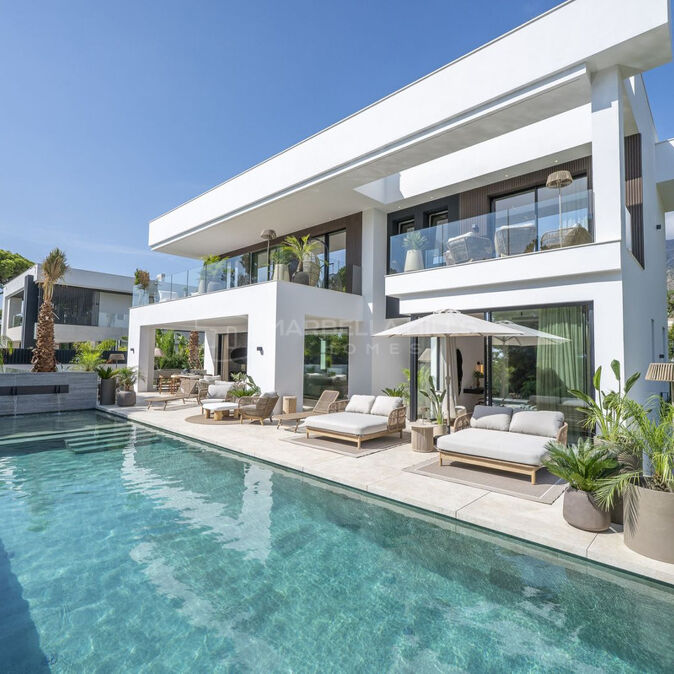
Brand-New Villa in Rocío de Nagüeles, Marbella Golden Mile
Rocio de Nagüeles, Marbella Golden Mile €4,950,000Located in Rocío de Nagüeles, one of the most sought-after residential areas of Marbella's Golden Mile, this brand-new luxury villa…
- View Property
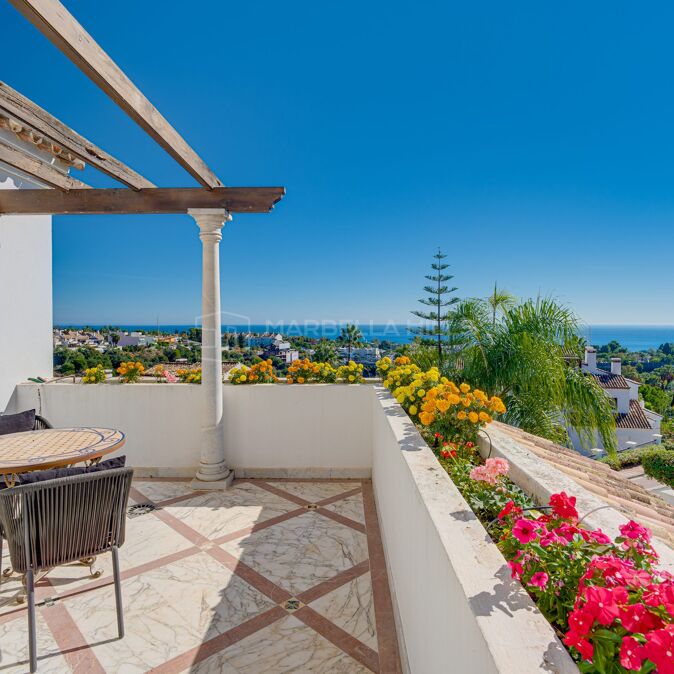
Villa in Altos de Puente Romano, Golden Mile with Indoor Pool
Altos de Puente Romano, Marbella Golden Mile €4,500,000Set within Altos de Puente Romano, a gated community on Marbella's Golden Mile, this five-bedroom villa is within walking distance…
- View Property
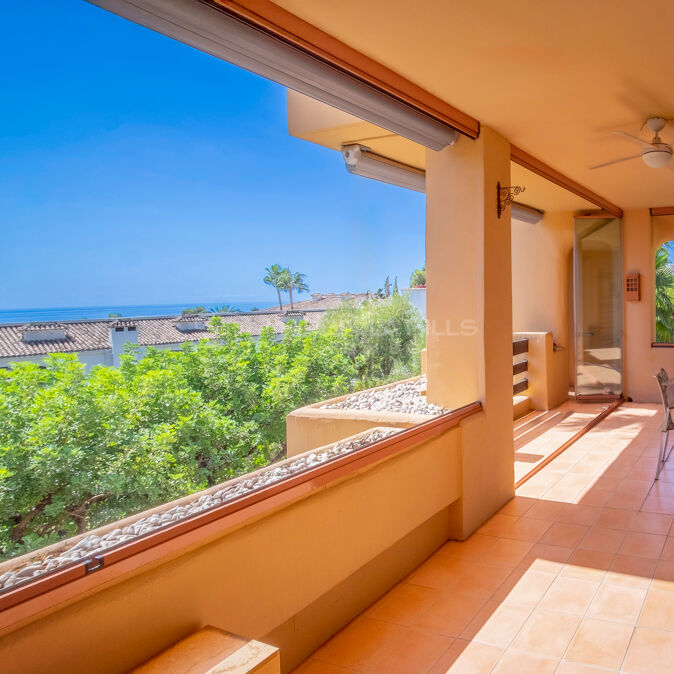
Sea View Apartment in Monte Paraíso Country Club, Marbella Golden Mile
Monte Paraiso Country Club, Marbella Golden Mile €1,850,000This elegant first-floor apartment sits in Monte Paraíso Country Club, one of the most sought-after gated communities on Marbella's Golden…
- View Property
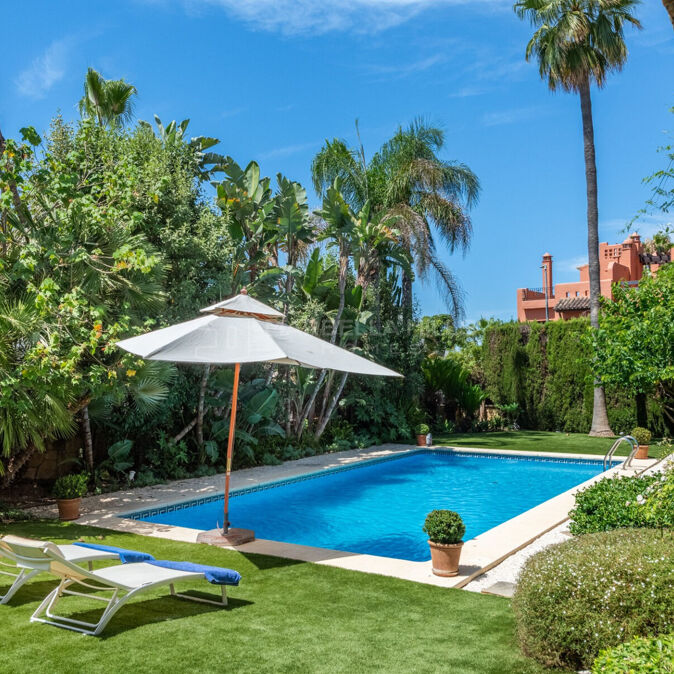
Renovated 3-Bedroom Villa in Cascada de Camoján, Golden Mile
Cascada de Camojan, Marbella Golden Mile €4,950,000Set within the gated community of Cascada de Camoján, one of Marbella's most sought-after residential areas just above the Golden…
- View Property
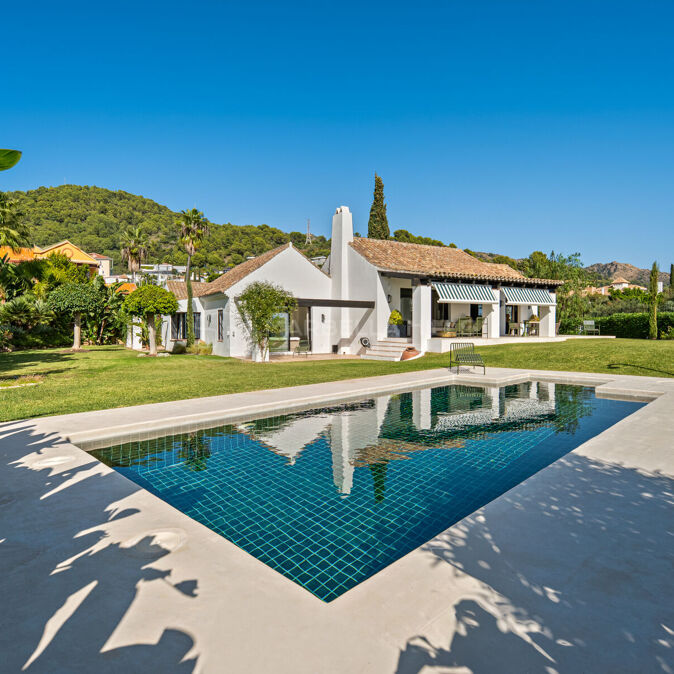
Renovated 3-Bed Apartment in Las Terrazas de Las Lomas, Golden Mile Marbella
Marbella Golden Mile €1,850,000Fully renovated in 2023, this three-bedroom apartment is located in Las Terrazas de Las Lomas, a well-established gated community on…
- View Property
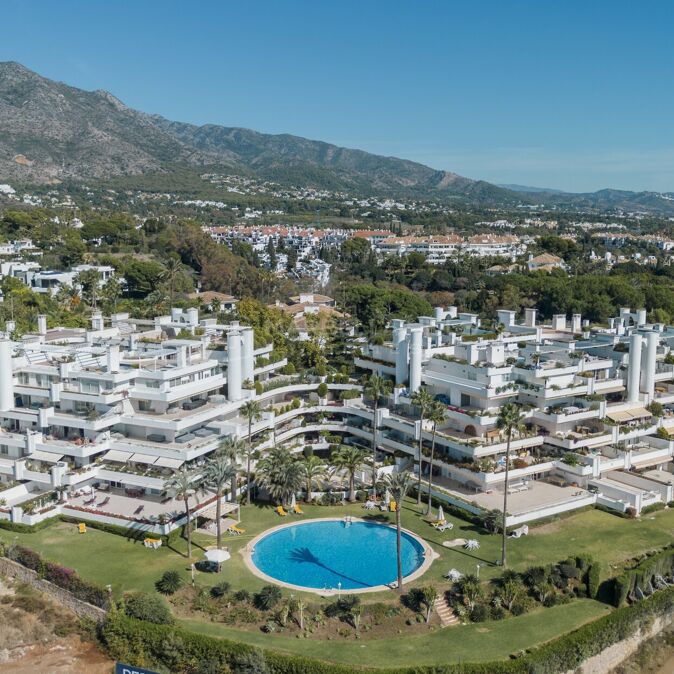
Single-Level 5-Bedroom Luxury Villa in Nagüeles, Golden Mile
Nagüeles, Marbella Golden Mile €3,995,000Located in the prestigious residential area of Nagüeles on Marbella's Golden Mile, Villa Pandora is an exceptional five-bedroom luxury villa…
- View Property
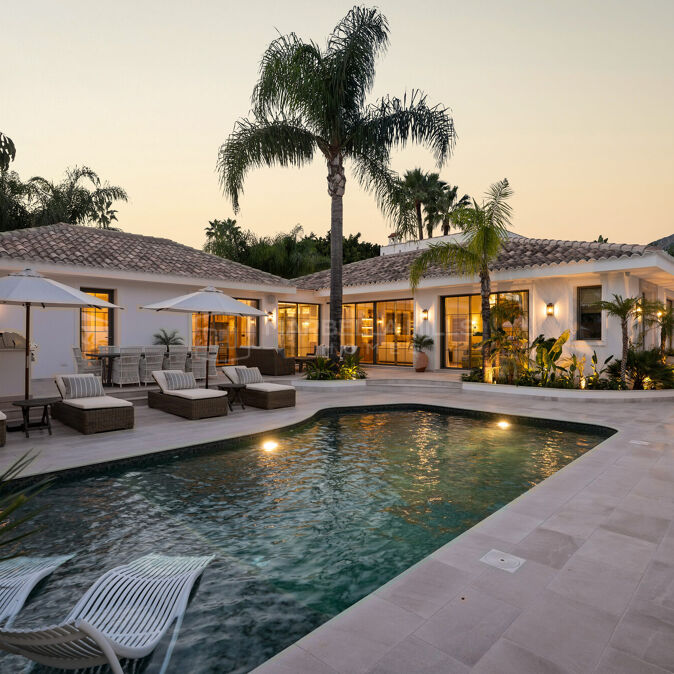
Renovated duplex penthouse with sea views in Monte Paraíso, Marbella Golden Mile
Monte Paraiso, Marbella Golden Mile €2,700,000This fully renovated three-bedroom duplex penthouse is set in Monte Paraíso, one of the most sought-after gated communities in Las…
- View Property
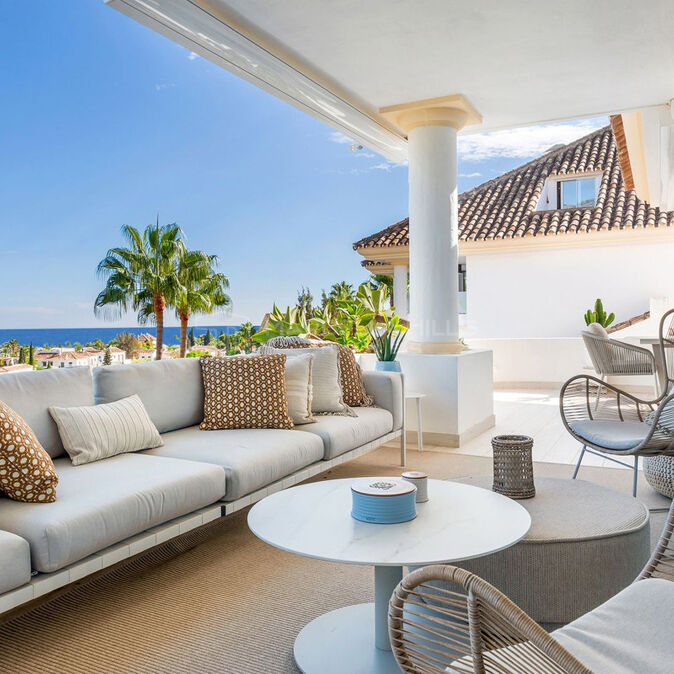
Contemporary three bedroom townhouse with lift and rooftop terrace in Vistas Marinas, Sierra Blanca
Vistas Marinas, Marbella Golden Mile €2,300,000A contemporary townhouse in Vistas Marinas, Sierra Blanca on Marbella's Golden Mile, minutes from Marbella Club, Puente Romano, the beach,…
- View Property
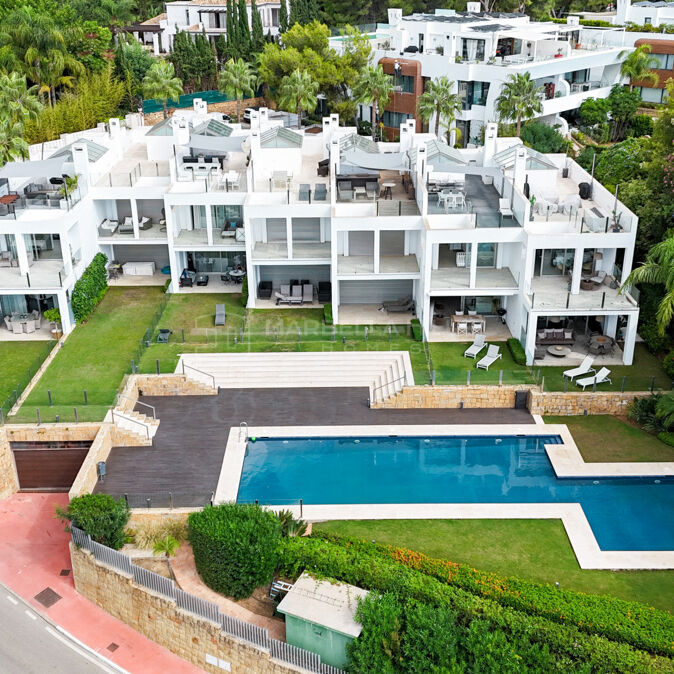
Beautifully Renovated 2 bedroom Apartment for sale in Balcones de Puente Romano, Marbella Golden Mile
Balcones de Puente Romano, Marbella Golden Mile €1,590,000Located within the prestigious Balcones de Puente Romano residential community on Marbella's iconic Golden Mile, this beautifully renovated two-bedroom apartment…
- View Property
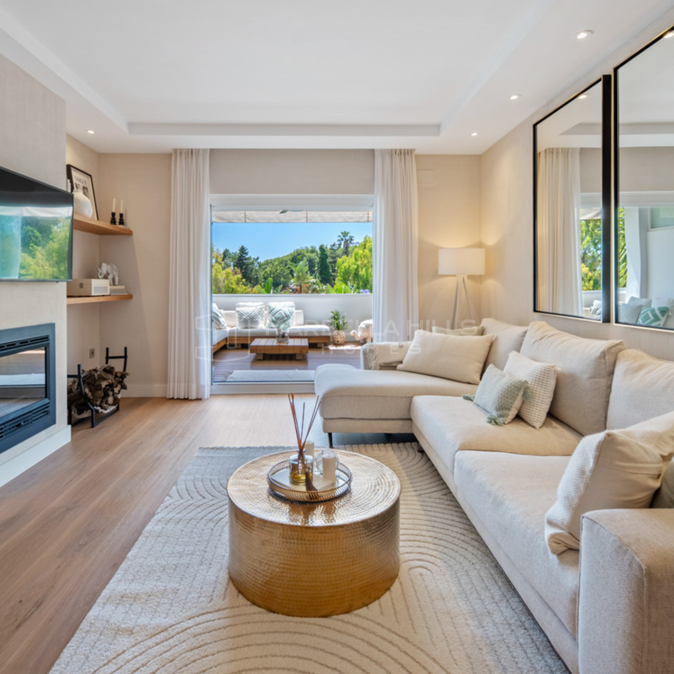
Renovated 2-Bedroom Apartment for Sale in Puente Romano II, Marbella Golden Mile
Marina Puente Romano, Marbella Golden Mile €2,295,000Discover this beautifully renovated ground-floor apartment for sale in Puente Romano II, one of the most desirable residential developments on…
- View Property
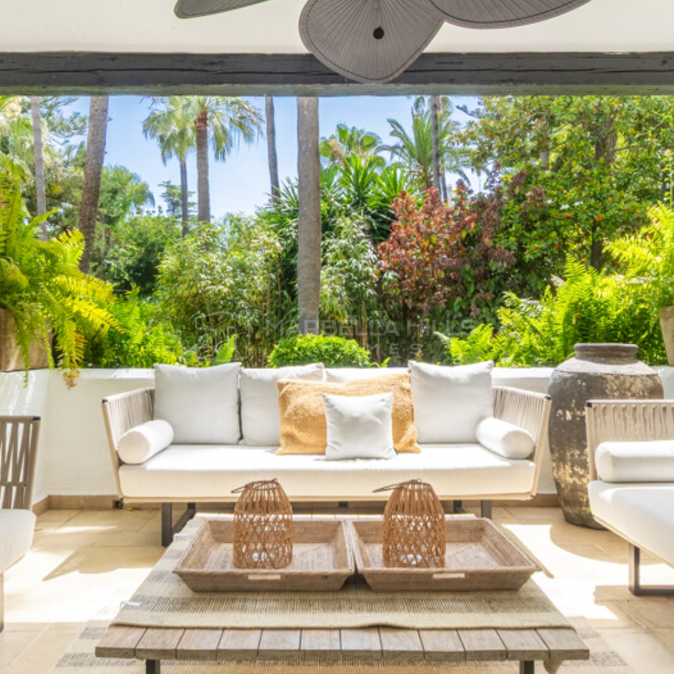
Renovated 3-Bedroom Duplex Penthouse for Sale in Monte Paraíso, Marbella Golden Mile
Monte Paraiso, Marbella Golden Mile €3,000,000This beautifully renovated three-bedroom duplex penthouse is located in Monte Paraíso, one of the most established and prestigious gated communities…
- View Property
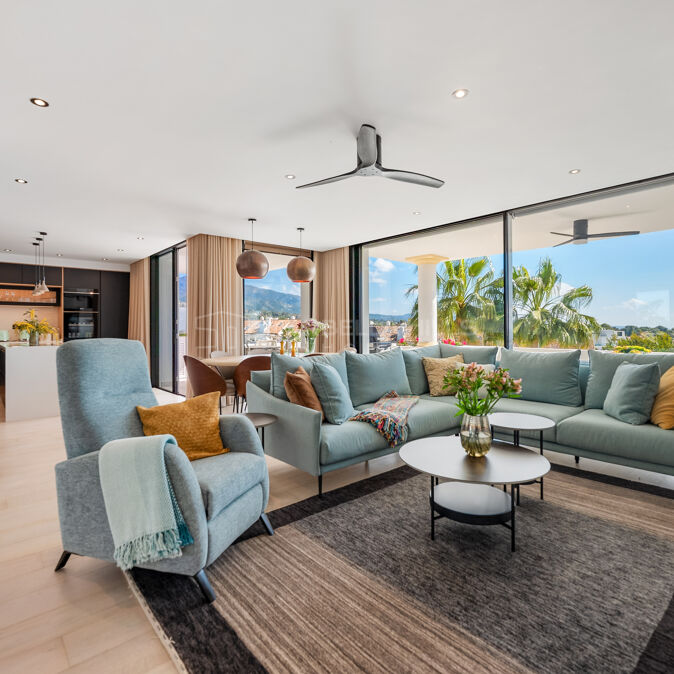
Renovated Apartment for Sale on Marbella’s Golden Mile in Las Terrazas de Las Lomas del Marbella Club
Las Terrazas de Las Lomas, Marbella Golden Mile €1,190,000This beautifully renovated apartment for sale on Marbella’s Golden Mile is located in Las Terrazas de Las Lomas del Marbella…
- View Property
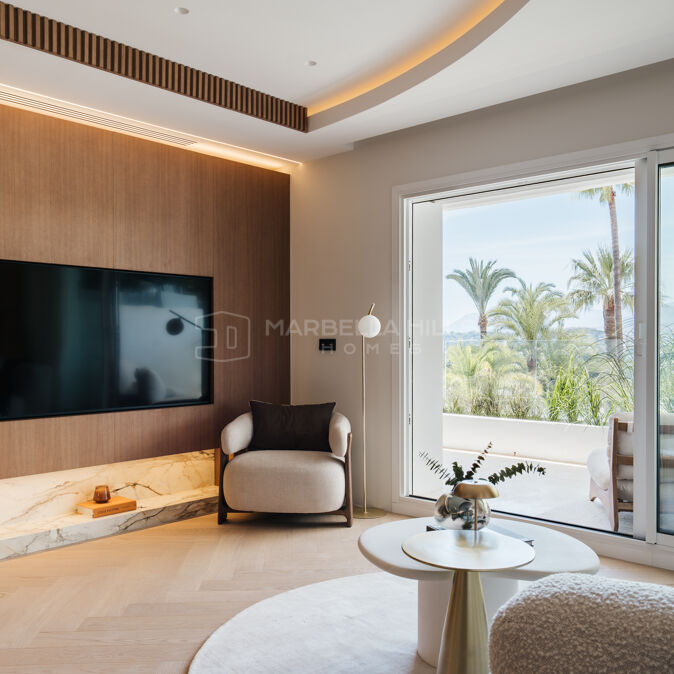
UNO Marbella Garden House for Sale on the Golden Mile
Beach Side Golden Mile, Marbella Golden Mile Price on applicationUNO Marbella Garden House 1 offers the scale, privacy and lifestyle of a contemporary villa within one of the most…
- View Property
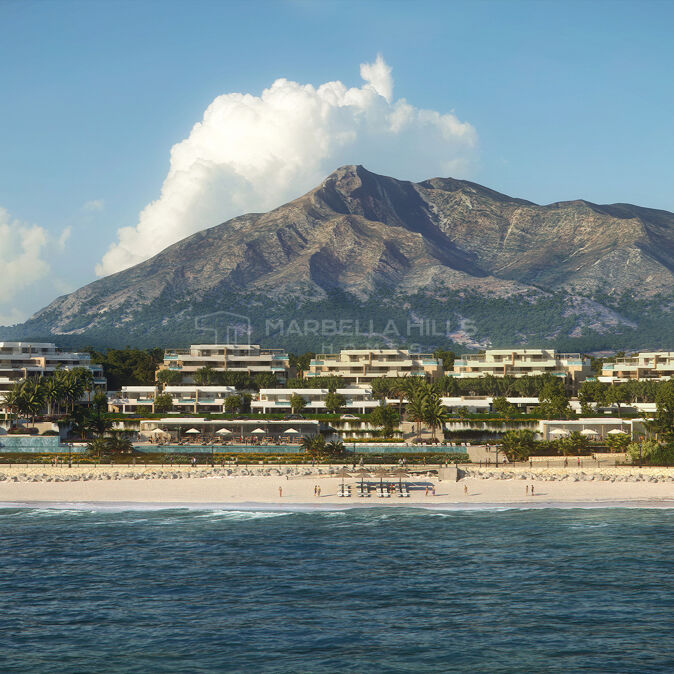
Brand New Villa for Sale in Nagüeles on Marbella’s Golden Mile
Rocio de Nagüeles, Marbella Golden Mile €4,995,000Set in the prestigious residential area of Rocío de Nagüeles, this brand new villa for sale in Nagüeles combines contemporary…
- View Property
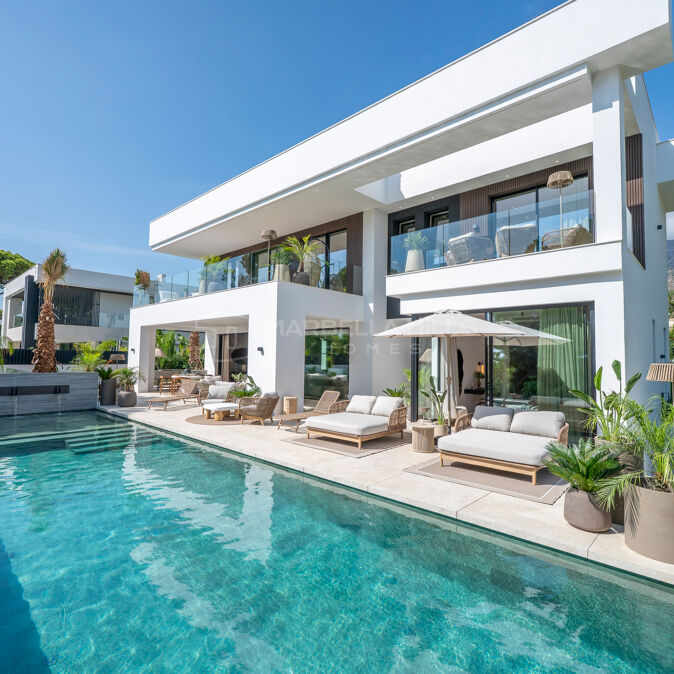
Renovated Villa for Sale in Sierra Blanca, Marbella with Sea Views
Balcones de Sierra Blanca, Marbella Golden Mile €1,795,000Villa Verano is an elegant villa for sale in Sierra Blanca, one of Marbella’s most prestigious residential areas. Set on…
- View Property
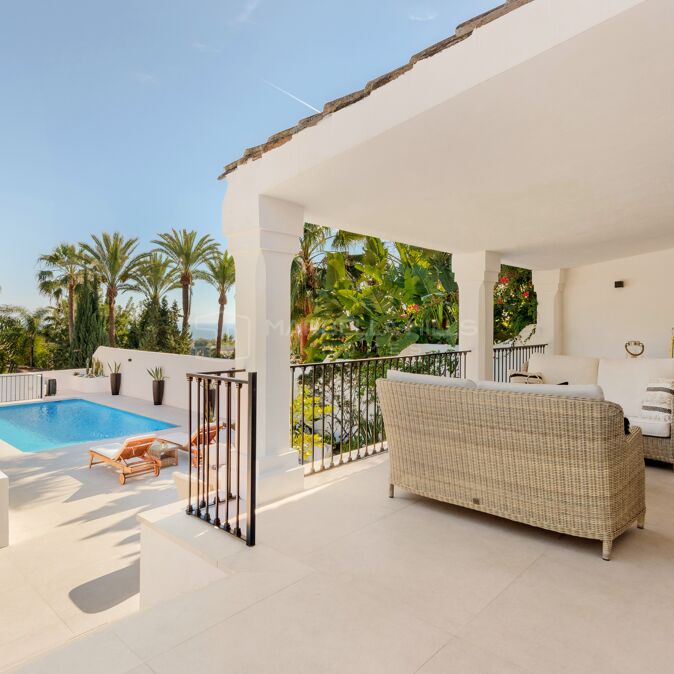
Semi-Detached Villa for Sale in Meisho Hills, Sierra Blanca, Marbella
Meisho Hills, Marbella Golden Mile €3,800,000This exceptional corner semi-detached villa for sale in Meisho Hills is located in Sierra Blanca, one of the most prestigious…
- View Property
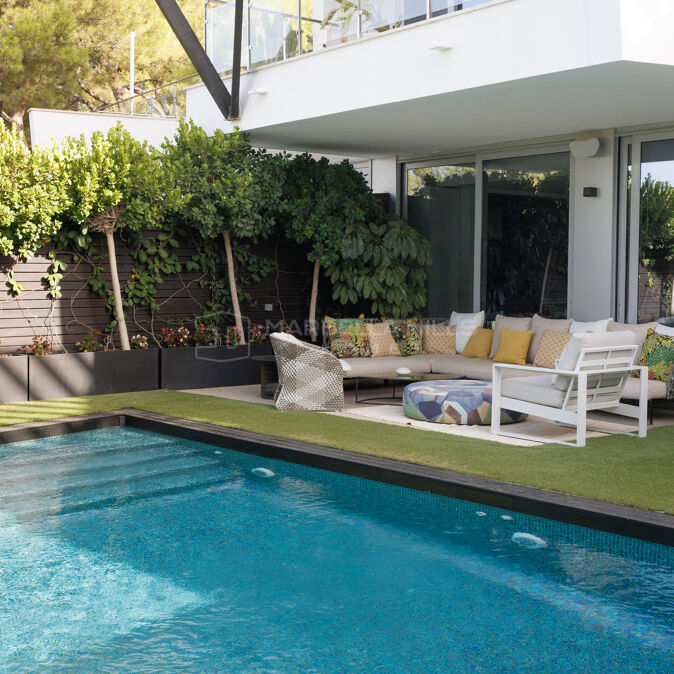
Corner Townhouse for Sale in Nagüeles, Marbella Golden Mile with Sea Views
Corona de Nagüeles, Marbella Golden Mile €1,400,000This spacious corner townhouse for sale in Nagüeles is located in Corona de Nagüeles, a gated residential community on Marbella’s…
- View Property
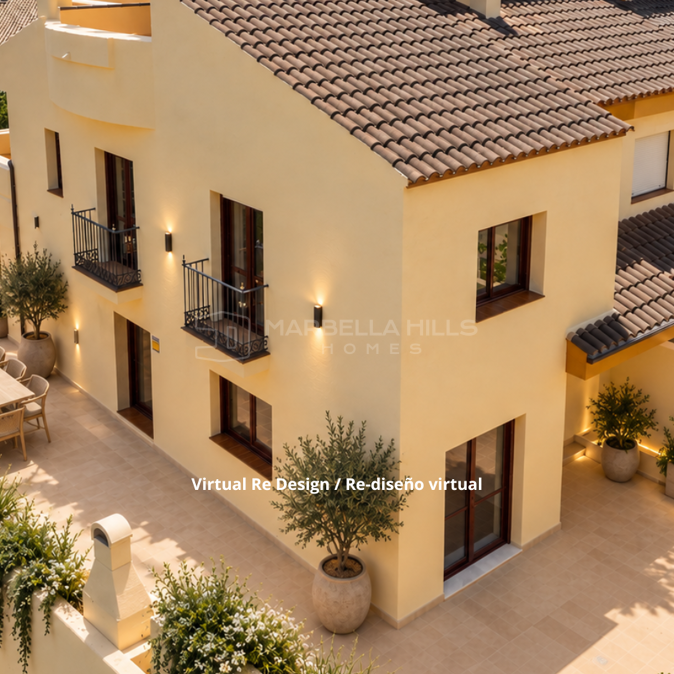
West-Facing Penthouse for Sale in Puente Romano II, Marbella Golden Mile
Marina Puente Romano, Marbella Golden Mile €2,900,000This elegant west-facing penthouse for sale in Puente Romano II offers a rare opportunity to own a beautifully renovated home…
- View Property
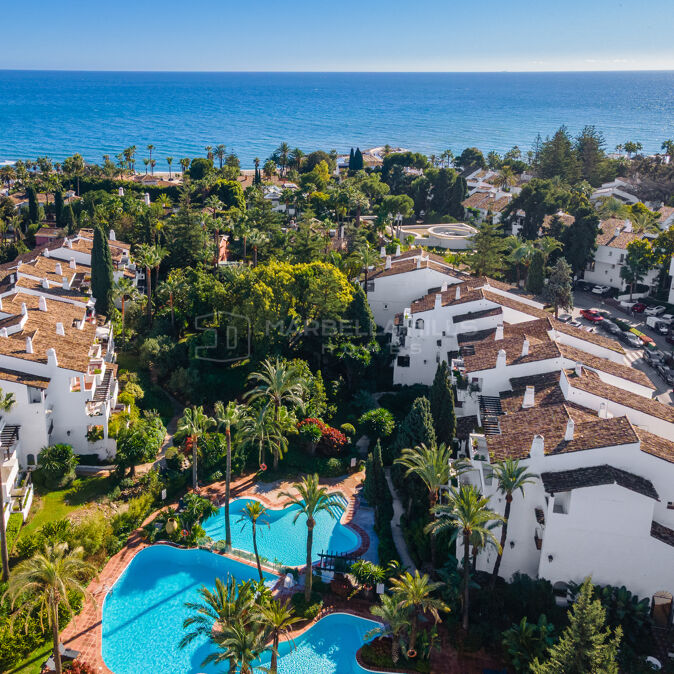
Mediterranean Villa for Sale in Marbella Hill Club, Golden Mile
Marbella Hill Club, Marbella Golden Mile €1,999,000Set within Marbella Hill Club, one of the most established residential areas on Marbella’s Golden Mile, this south-facing Mediterranean villa…
- View Property
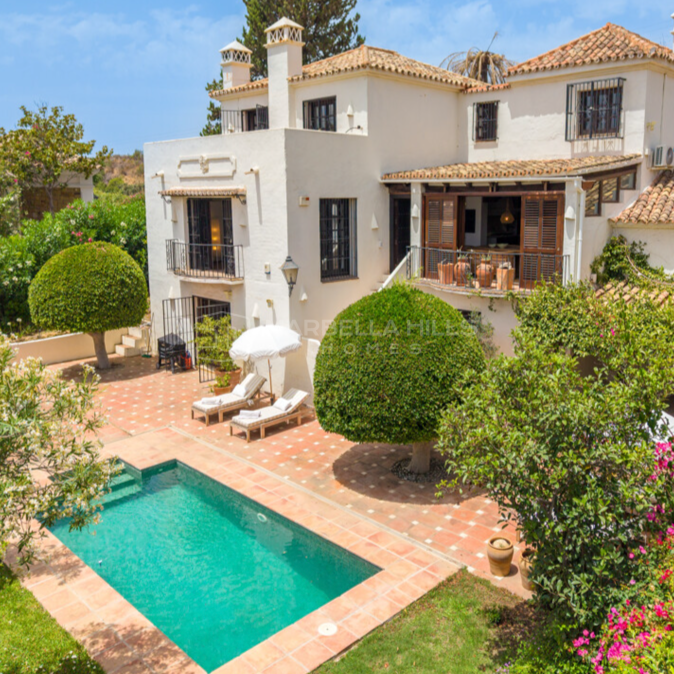
Renovated 3-Bedroom Apartment for Sale in Marina Puente Romano, Marbella
Marina Puente Romano, Marbella Golden Mile €4,495,000Set within Marina Puente Romano, one of the most sought-after residential settings on Marbella’s Golden Mile, this elegant three-bedroom apartment…
- View Property
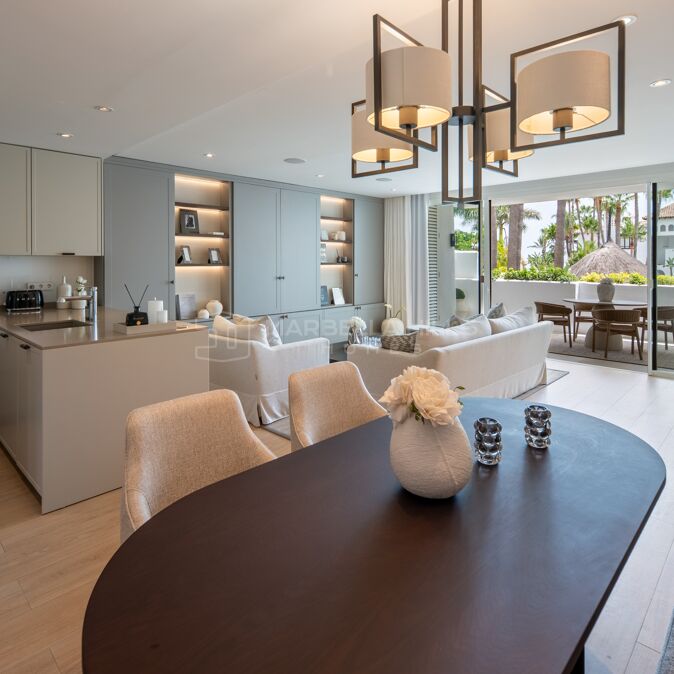
Family Villa for Sale in Rocío de Nagüeles, Marbella Golden Mile
Rocio de Nagüeles, Marbella Golden Mile Under offerSet on a quiet residential street in Rocío de Nagüeles, this family villa offers a more private side of Marbella’s…
- View Property
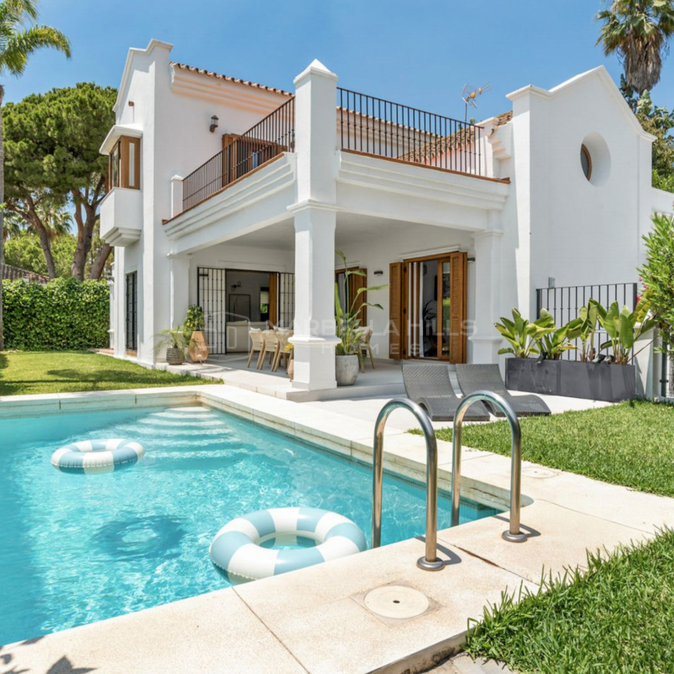
Renovated 3-Bedroom Apartment in Jardín del Mediterráneo, Marbella Golden Mile
Jardín del Mediterráneo, Marbella Golden Mile €2,250,000This beautifully renovated three-bedroom apartment is located in Jardín del Mediterráneo, an established residential community in one of the most…
- View Property
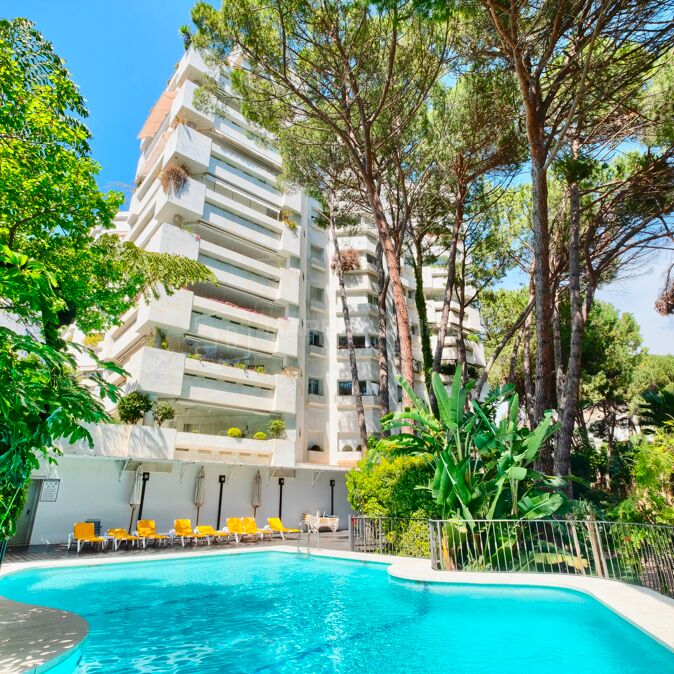
Villa Cypress – Contemporary Beachside Villa for Sale in Casablanca Beach, Marbella Golden Mile
Casablanca, Marbella Golden Mile SoldVilla Cypress is a striking contemporary villa in Casablanca Beach, one of the most desirable beachside residential areas on Marbella’s…
- View Property
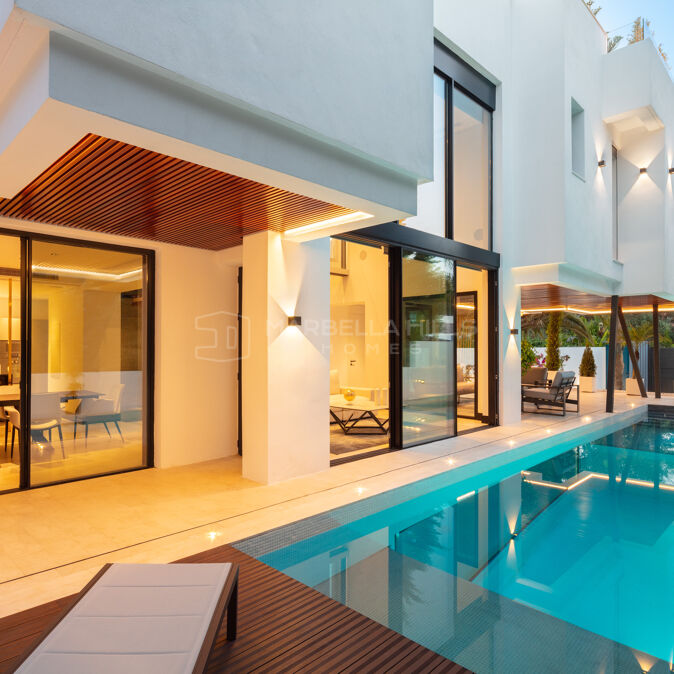
Duplex Penthouse with Sea Views in Marina Puente Romano, Marbella Golden Mile
Marina Puente Romano, Marbella Golden Mile Reduced from €6,750,000€6,350,000This exceptional duplex penthouse is located in Marina Puente Romano, one of the most prestigious and sought-after residential addresses on…
- View Property
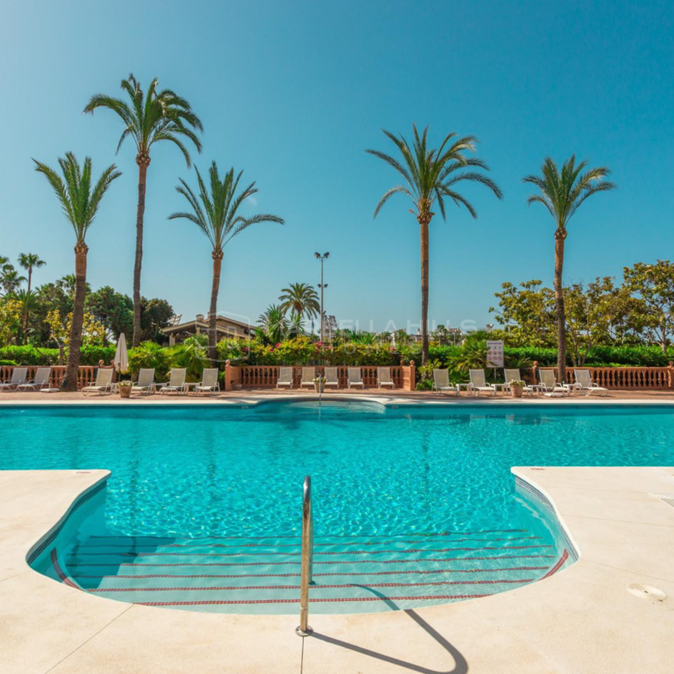
Renovated Penthouse for Sale in Condado de Sierra Blanca with Panoramic Sea Views
Condado de Sierra Blanca, Marbella Golden Mile €2,695,000Alba Residence is a fully renovated four-bedroom penthouse for sale in Condado de Sierra Blanca, one of the most established…
- View Property
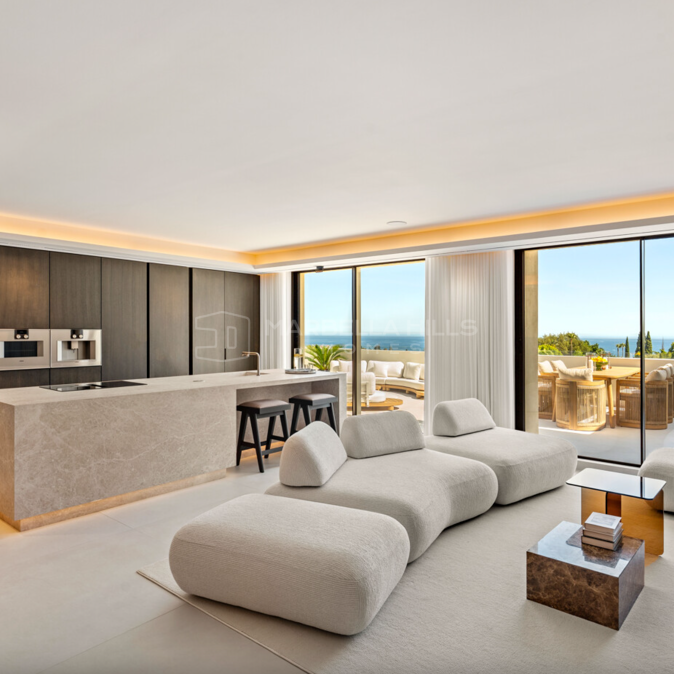
Luxury Apartment for Sale in Marina Puente Romano, Marbella Golden Mile
Marina Puente Romano, Marbella Golden Mile €3,350,000Located in the prestigious Marina Puente Romano on Marbella's iconic Golden Mile, this elegant three-bedroom apartment offers the rare opportunity…
- View Property
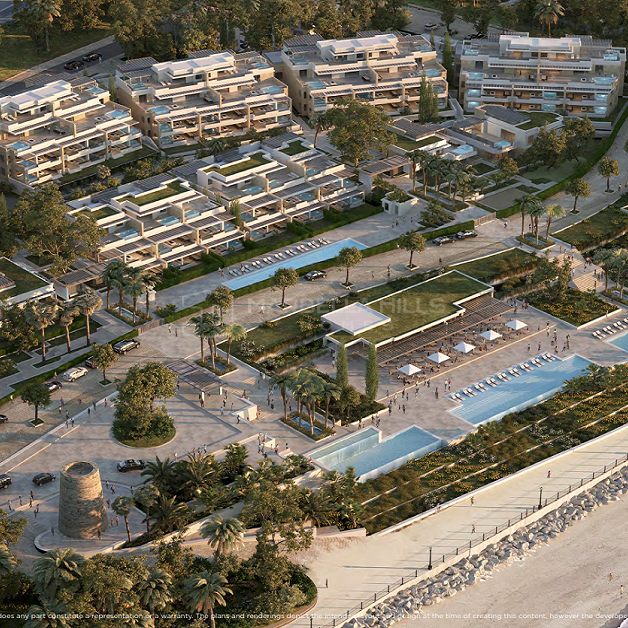
Luxury Beachfront Apartments for Sale at UNO Marbella on the Golden Mile
Beach Side Golden Mile, Marbella Golden Mile Price on applicationUNO Marbella is one of the most prestigious beachfront residential developments on Marbella's iconic Golden Mile, offering an exceptional collection…
- View Property
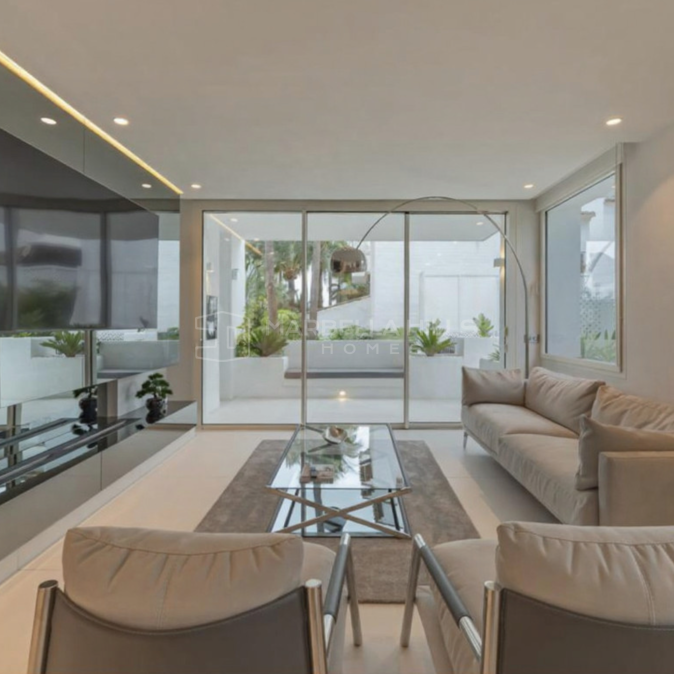
Renovated Semi-Detached House for Sale in La Meridiana, Marbella Golden Mile
La Meridiana, Marbella Golden Mile €1,395,000Perfectly positioned in the sought-after residential community of La Meridiana on Marbella's prestigious Golden Mile, this beautifully renovated semi-detached house…
- View Property
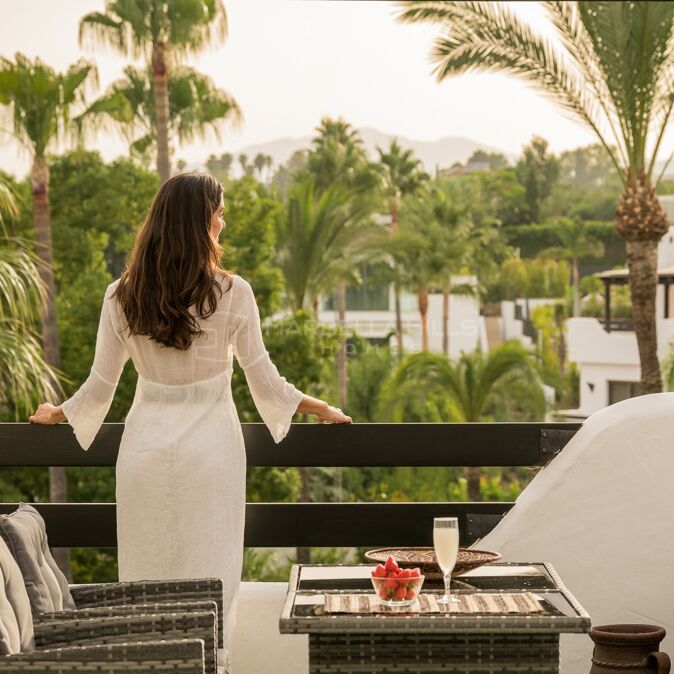
Contemporary 3 Bedroom Apartment for Sale in Benalús, Marbella Golden Mile
Benalús, Marbella Golden Mile €2,595,000Completed in 2024 and offered fully furnished, this elegant three-bedroom apartment for sale in Benalús combines contemporary design, generous living…
- View Property
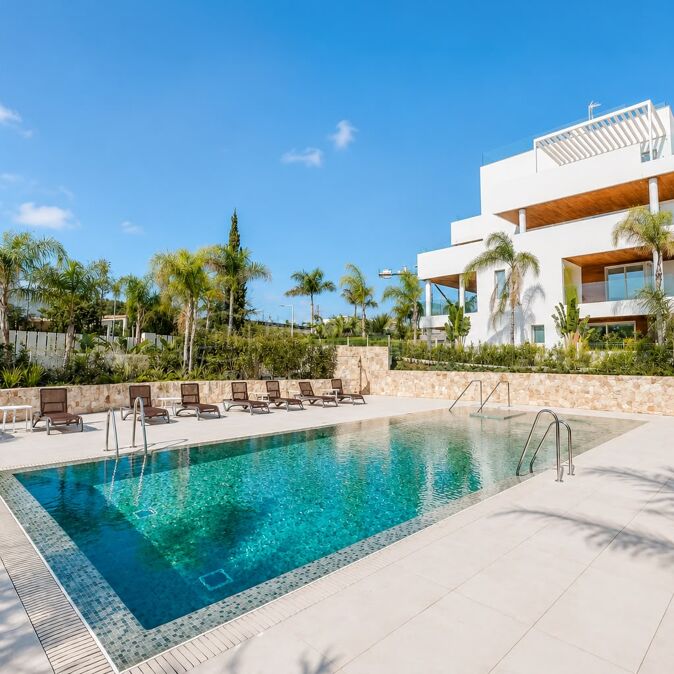
Contemporary Luxury Villa for Sale in Cascada de Camoján, Marbella Golden Mile with Panoramic Sea Views
Cascada de Camojan, Marbella Golden Mile €6,395,000Nestled within the prestigious gated community of Cascada de Camoján on Marbella's Golden Mile, this exceptional contemporary villa offers an…
- View Property
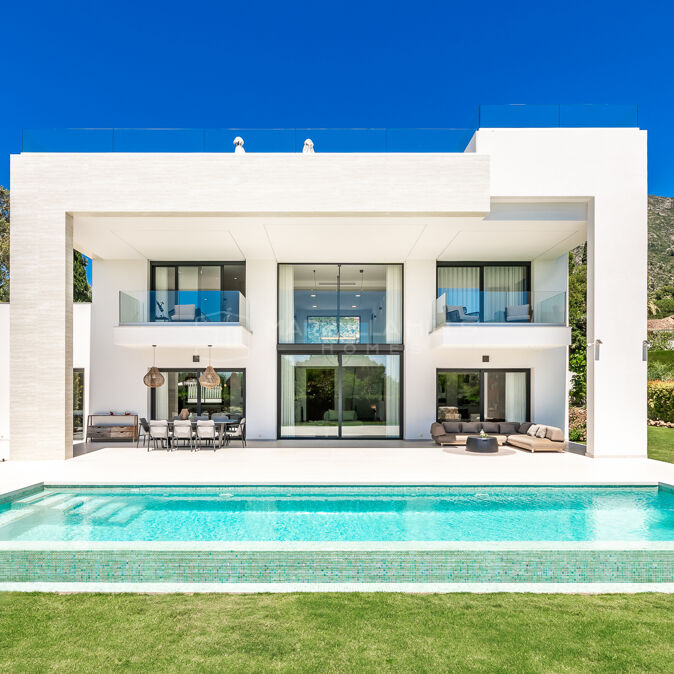
Renovated Luxury Apartment for Sale on Marbella's Golden Mile | Sea Views in Coto Real
Coto Real, Marbella Golden Mile Reduced from €1,695,000€1,499,000Positioned within the prestigious gated community of Coto Real I, one of Marbella's most established residential addresses on the Golden…
- View Property
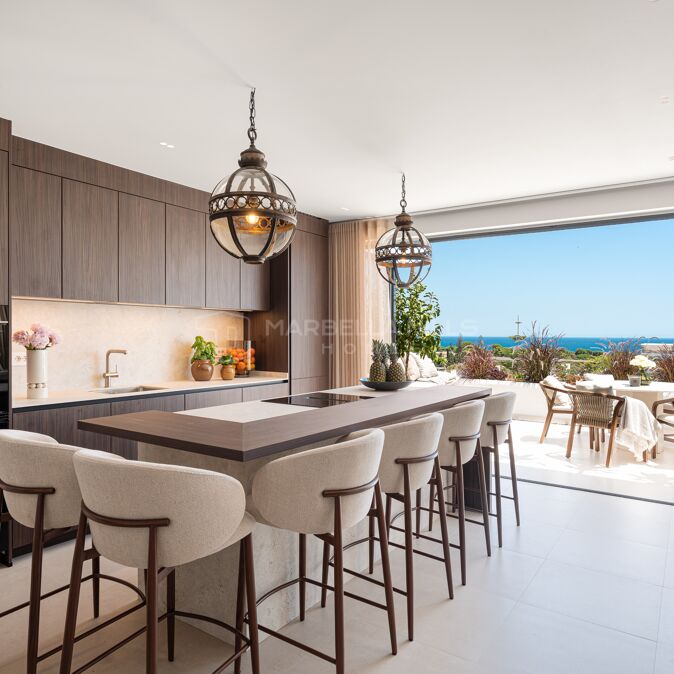
Luxury Mediterranean Villa for Sale in Sierra Blanca, Marbella Golden Mile
Sierra Blanca, Marbella Golden Mile €7,500,000Set within the prestigious gated community of Sierra Blanca, this magnificent Mediterranean villa for sale offers timeless elegance, breathtaking sea…
- View Property
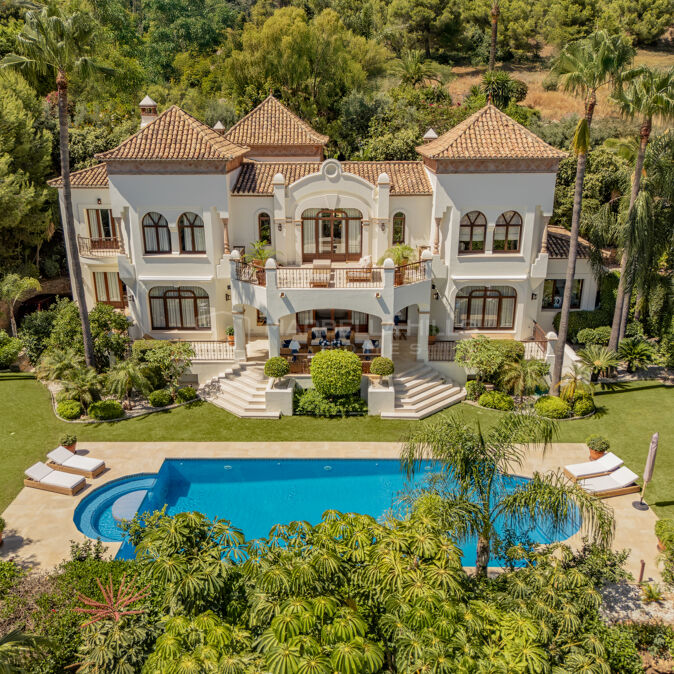
Contemporary Luxury Villa for Sale in Sierra Blanca, Marbella Golden Mile with Panoramic Sea Views
Sierra Blanca, Marbella Golden Mile €10,970,000Completed in 2024, this spectacular contemporary villa occupies a prime position within the prestigious gated community of Sierra Blanca, one…
- View Property
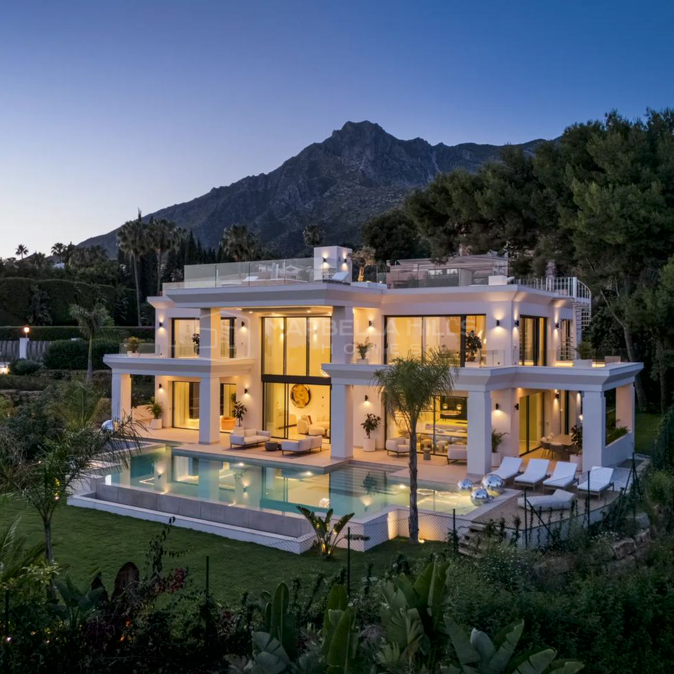
Luxury Villa for Sale in Cascada de Camoján, Marbella Golden Mile | Panoramic Sea Views
Cascada de Camojan, Marbella Golden Mile €12,600,000Located within the prestigious gated community of Cascada de Camoján on Marbella's iconic Golden Mile, this exceptional contemporary villa represents…
- View Property
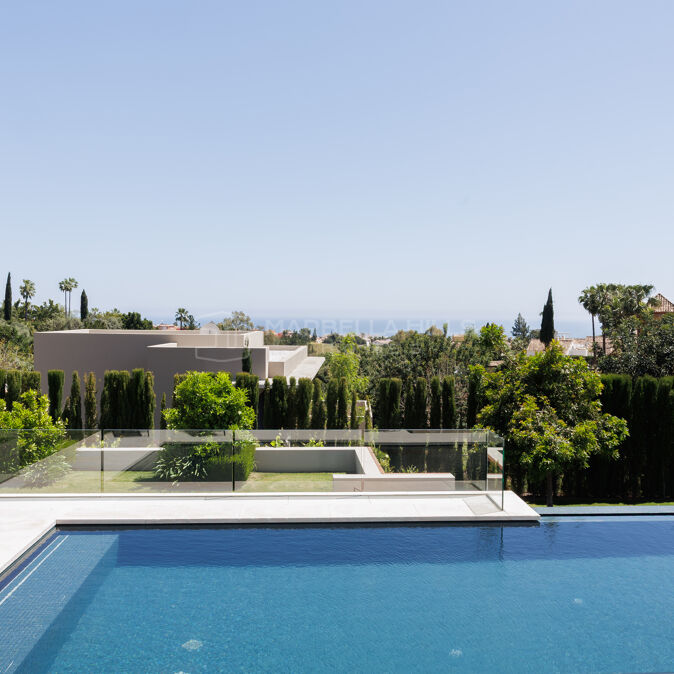
Luxury Apartment for Sale in Mansion Club, Marbella Golden Mile | Panoramic Sea Views
Mansion Club, Marbella Golden Mile Reduced from €1,350,000€1,200,000Located within the prestigious Mansion Club on Marbella's iconic Golden Mile, this elegant two-bedroom apartment offers an exceptional opportunity to…
- View Property