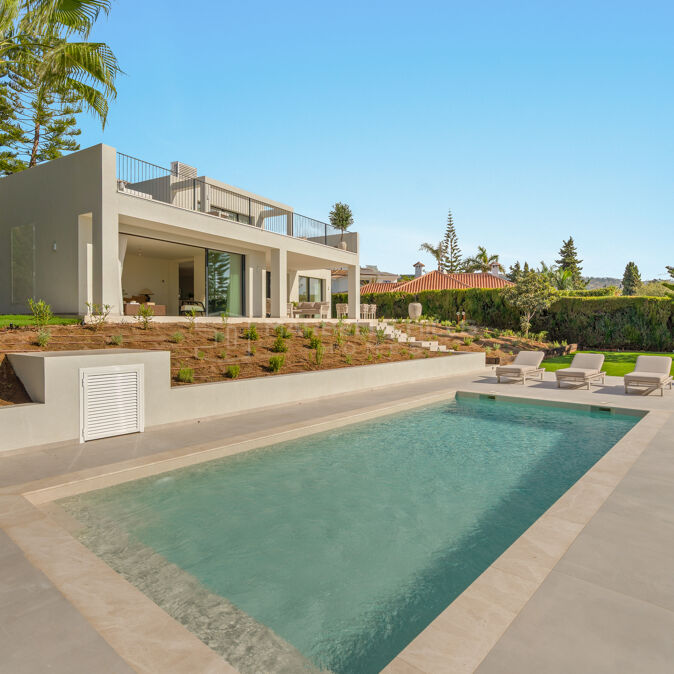
Retiring on the Costa del Sol: the advantages and what you need to know
Summary
The Costa del Sol is one of the best places in Europe to retire, with a mild climate, excellent healthcare, an international community and easy flights home. This guide explains the advantages, the steps to settle here, how healthcare and taxes work for retirees, and where to live.
Key Takeaways
- The Costa del Sol has about 2,900 hours of sunshine a year and mild winters.
- Citizens of the EU, the EEA and Switzerland can live here freely; others usually apply for the non-lucrative visa.
- EU, EEA, Swiss and UK state pensioners can usually join the Spanish public health system with the S1 form.
- Spouses, children and parents enjoy a 99% reduction on inheritance and gift tax in Andalucía.
- Tax treaties decide where each pension is taxed, so take personal advice before you move.
Why Retire on the Costa del Sol?
Every year, thousands of retirees from all over the world, from Scandinavia and the Netherlands to France, Belgium, Germany, Switzerland, the UK, Ireland and North America, choose the Costa del Sol for their new life. The reasons are easy to see: a mild climate all year, the sea, golf and mountains on the doorstep, excellent healthcare and an international community where you are never far from your own language. For many, the search starts with properties for sale in Marbella and the towns around it.
This guide explains the advantages of retiring on the Costa del Sol, the practical steps to settle here, how healthcare and taxes work for retirees, and which areas and homes suit this new chapter best.
Retiring on the Costa del Sol at a glance
| Sunshine | About 2,900 hours a year |
| Winter | Average around 12–13°C in January, with many sunny days |
| Healthcare | Public hospitals and several international private hospitals near Marbella |
| Flights | Direct flights from Málaga to most European cities, and connections worldwide |
| EU citizens | Free to live here, with a simple registration |
| Inheritance tax | 99% reduction in Andalucía for spouses, children and parents |

The Advantages of Retiring on the Costa del Sol
The climate
The Costa del Sol has one of the mildest climates in Europe, with about 2,900 hours of sunshine a year at Málaga. Winters are short and gentle, with January averages of around 12–13°C, and you can often have lunch on a terrace in December. Summers are hot, but the sea breeze keeps the coast more comfortable than inland Spain. See our guide to winter in Marbella for what the cooler months are really like.

An active, outdoor life
Life here is lived outdoors. Long promenades by the sea, more than 70 golf courses on the coast, tennis, padel, swimming, walking in the mountains and a lively cultural calendar make it easy to stay active and sociable. For ideas, see our guides to golf in Marbella and hiking on the Costa del Sol.
An international community
The Costa del Sol has one of the largest international communities in Spain, with residents from more than a hundred countries. Scandinavians, Dutch, Belgians, French, Germans, Swiss, British, Irish, Americans and many others have their own associations, clubs, churches, shops and restaurants, and many doctors, lawyers and services work in several languages. It is easy to make friends, while still enjoying the Spanish way of life.
Close to home
Málaga airport, about 30 to 45 minutes from Marbella, is one of the busiest in Spain, with direct flights to most European capitals and major cities, from London, Dublin, Paris, Brussels and Amsterdam to Copenhagen, Stockholm, Oslo, Helsinki, Geneva, Zurich and Frankfurt, and connections to the rest of the world through the big European hubs. Gibraltar airport is also less than an hour away. Family and friends can visit easily.

Excellent healthcare
The area has a modern public hospital, the Hospital Universitario Costa del Sol, recently expanded, and several international private hospitals, including Quirónsalud Marbella, HC Marbella, Hospiten Estepona and Vithas Xanit in Benalmádena. Our healthcare guide covers the options in detail.
Settling on the Costa del Sol
Citizens of the EU, EEA and Switzerland
If you are a citizen of the EU, the EEA or Switzerland, you are free to live in Spain. If you stay more than three months, you register as a resident at the foreigners' office or the police station and receive the Certificado de Registro de Ciudadano de la UE, with your NIE, the foreigner identity number you need for most formalities. As a retiree, you will need to show that you have sufficient means and health cover; for most pensioners, the S1 form provides that cover.
You should also register with your town hall, the padrón, which you need for healthcare, schools and many local services.
Retirees from outside the EU
Retirees from outside the EU, the EEA and Switzerland, including British, American, Canadian and Australian citizens, usually apply for the non-lucrative residence visa. It requires a regular income of at least 400% of the Spanish IPREM index, currently about €2,400 a month for the main applicant plus about €600 a month for each dependant, and full private health insurance with an insurer authorised in Spain. You cannot work, even remotely, on this visa. The first permit lasts one year and is then renewed for two years at a time, as long as you spend more than half of each year in Spain.
The golden visa, which gave residence to buyers of property worth €500,000 or more, was abolished in April 2025.
Healthcare for Retirees
The S1 form
If you receive a state pension from an EU or EEA country, Switzerland or the UK, you can usually register in the Spanish public health system with the S1 form. It gives you the same public healthcare as a Spanish resident, paid for by the country that pays your pension. You request it from your own health or pension authority before you move, for example the CPAM in France, the Krankenkasse in Germany or the NHS in the UK, and then register it in Spain to receive your health card from your local health centre.
Retirees from countries outside this system, such as the United States, Canada or Australia, normally need private health insurance.
The European Health Insurance Card only covers temporary stays, so it is not enough once you live here.
Private health insurance
Many retirees combine public healthcare with private health insurance, for faster access to specialists and treatment in the private hospitals, often in their own language. Private insurance is required for the non-lucrative visa.
The Convenio Especial
If you have no right to public healthcare, you can join the public system through the Convenio Especial after a year of residence, for a monthly fee that is higher from the age of 65.
Taxes for Retirees
Taxation is where good advice matters most, and the rules depend on your nationality, the type of pension and your other income. This is an overview only, and we always recommend speaking to a tax adviser before you move.
Tax residence
You are tax resident in Spain if you spend more than 183 days a year here, or if your main economic interests are here. As a tax resident, you pay Spanish income tax on your worldwide income.
How pensions are taxed
Spain has tax treaties with more than 90 countries, including all of Europe, the United States and Canada, which decide where each pension is taxed. In general:
- Private pensions and social security pensions are usually taxed in Spain.
- Public-sector pensions, for former civil servants, are usually taxed in the country that pays them, unless you are a Spanish national.
Each treaty has its own details. For example, French public-sector pensions remain taxable in France, Germany may also tax a small part of its state pension, and some countries have special rules for lump sums or occupational pensions. Where a pension is taxed in both countries, the treaty avoids double taxation through a credit. This is why personal advice before you move is so important.
Wealth tax
Andalucía applies a 100% relief on the regional wealth tax. The national solidarity tax on large fortunes still applies, but only to very large fortunes, with a taxable base above €3 million, so anyone close to that level should take advice.
Inheritance and gift tax
This is one of the great advantages of Andalucía. Spouses, children, grandchildren and parents enjoy a 99% reduction on inheritance and gift tax, which makes passing on your home to your family very simple. Gifts must be made before a notary to qualify.
Assets abroad
Spanish tax residents with more than €50,000 in bank accounts, investments or property abroad, in any one category, must declare them each year on the Modelo 720. It is only a declaration, not a tax, and the old heavy penalties were abolished in 2022, but it must be filed.
If you keep your tax residence at home
If you spend less than half the year in Spain and keep your tax residence in your home country, you pay non-resident income tax on your Spanish home, usually a small annual amount. See our guide to non-resident taxes in Spain.
The Cost of Living
Day-to-day life on the Costa del Sol is generally cheaper than in Paris, Brussels, Geneva or Munich, especially restaurants, coffee, fresh produce and services. Housing is the exception: Marbella is one of the most expensive property markets in Spain, and prices vary greatly between areas.
When you own a home, budget for the IBI, the municipal property tax, community fees in an apartment complex or gated community, utilities and insurance. In a villa, add the garden and the pool.

Where to Live on the Costa del Sol
The best area depends on how you want to live. Here are some of the areas our retired clients choose most often.
Walk to everything
Marbella centre, San Pedro de Alcántara and Estepona let you live without a car, with shops, restaurants, health centres and the seafront promenade within walking distance. The Golden Mile combines that convenience with some of the most prestigious addresses on the coast.

Green and quiet
Nueva Andalucía, Elviria and La Quinta offer golf, gardens and calm, a short drive from the beach and the services. Most homes here are in gated communities with security.
What to Look For in a Home
Easy access. A lift, a ground-floor apartment or a home on one level makes life easier in the years ahead.
Security. A gated community with 24-hour security gives peace of mind, especially if you travel.
Close to services. Check the distance to the supermarket, the pharmacy, the health centre and the hospital.
Low maintenance. An apartment or townhouse in a well-run community is easier to look after than a large villa with a garden and pool.
Room for visitors. A spare bedroom for children and grandchildren is often the most used room in the house.
Rent First, or Buy?
Many retirees rent for a season, often the winter, before they buy, to test an area and the way of life. Others know the coast well from years of holidays and buy straight away. Either way, it is worth seeing a home in winter as well as summer, and in the evening as well as during the day.
When you buy, budget for the purchase costs on top of the price: on a resale, the transfer tax in Andalucía is 7%, plus notary, land registry and legal fees. See our guide to property purchase tax in Andalucía.

Retiring on the Costa del Sol: Frequently Asked Questions
Can I retire in Spain as a European citizen?
Yes. Citizens of the EU, the EEA and Switzerland can live in Spain freely. If you stay more than three months, you register as a resident and show that you have sufficient means and health cover.
Will I keep my healthcare?
If you receive a state pension from an EU or EEA country, Switzerland or the UK, the S1 form usually gives you access to the Spanish public health system, paid for by your pension country. Retirees from other countries usually take out private health insurance.
Where will my pension be taxed?
It depends on the type of pension and the tax treaty between Spain and your country. Private and social security pensions are usually taxed in Spain, and public-sector pensions in the country that pays them, but each treaty has its own rules. Always take advice before you move.
Is there inheritance tax in Andalucía?
Spouses, children, grandchildren and parents benefit from a 99% reduction on inheritance and gift tax in Andalucía.
Which areas are best for retirees?
Marbella centre, San Pedro de Alcántara, Estepona and the Golden Mile for walking to everything; Nueva Andalucía, Elviria and La Quinta for greener, quieter living.
Our View
In our view, the Costa del Sol is one of the best places in Europe to retire. The climate, the healthcare, the international community and the quality of life are hard to match, and Andalucía's tax rules on inheritance make it easy to plan for the next generation.
The keys to a successful move are good tax advice, choosing the right area for the way you want to live, and a home that will still suit you in ten or twenty years.

Discover Your Home on the Costa del Sol
We help many retirees find their home on the coast, from a seafront apartment in Marbella to a villa in a quiet gated community, and we can introduce you to trusted lawyers and tax advisers.
You can browse our properties for sale in Marbella, or contact us to arrange a viewing.
Properties for sale in Marbella
Furnished Duplex Apartment in Señorío de Aloha, Nueva Andalucía, Marbella
Señorio de Aloha, Nueva Andalucia €535,000This fully furnished two-bedroom duplex apartment is set in the popular gated community of Señorío de Aloha, in the heart…
- View Property
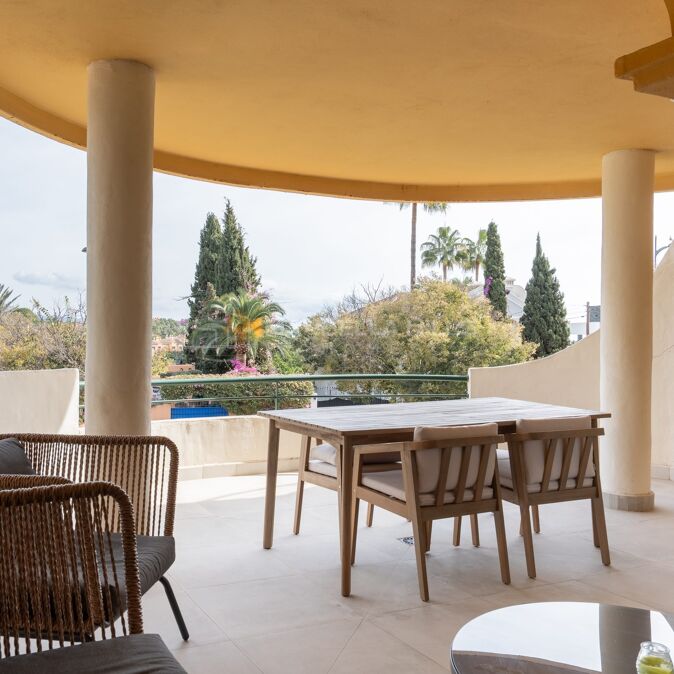
Penthouse in El Soto de Marbella with Sea, Golf & Mountain Views
El Soto de Marbella, Marbella Este Reduced from €585,000€545,000This spacious, ready-to-move-in three-bedroom penthouse is located in El Soto de Marbella, an established gated community in La Mairena, in…
- View Property
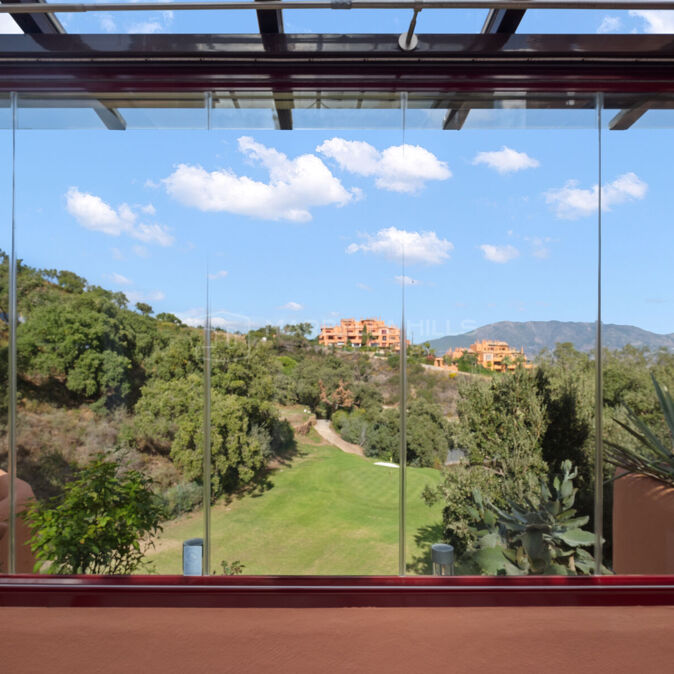
Renovated 3-Bedroom Villa in Cascada de Camoján, Golden Mile
Cascada de Camojan, Marbella Golden Mile €4,950,000Set within the gated community of Cascada de Camoján, one of Marbella's most sought-after residential areas just above the Golden…
- View Property
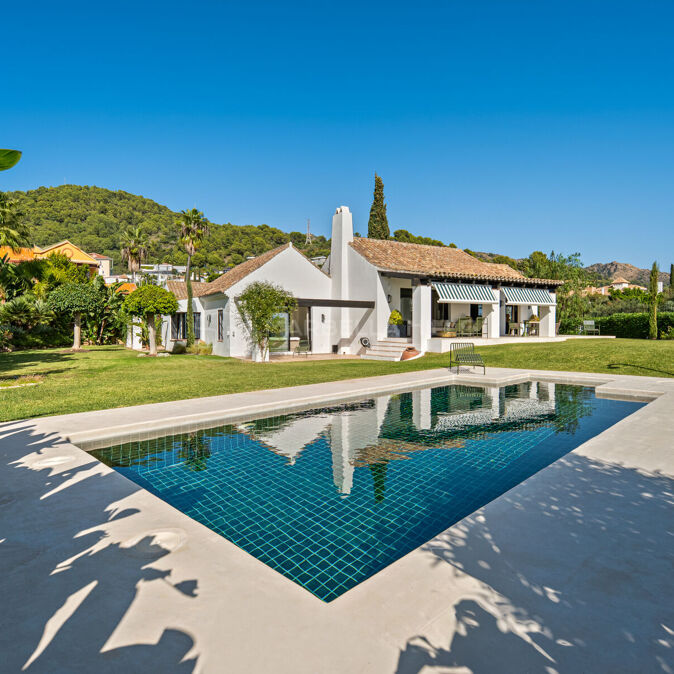
3-Bedroom Ground Floor Apartment with Sea Views, Cumbres del Rodeo
Cumbres del Rodeo, Nueva Andalucia €1,150,000This beautifully presented ground-floor corner apartment in Cumbres del Rodeo, Nueva Andalucía, offers privacy, space and sweeping Mediterranean views towards…
- View Property
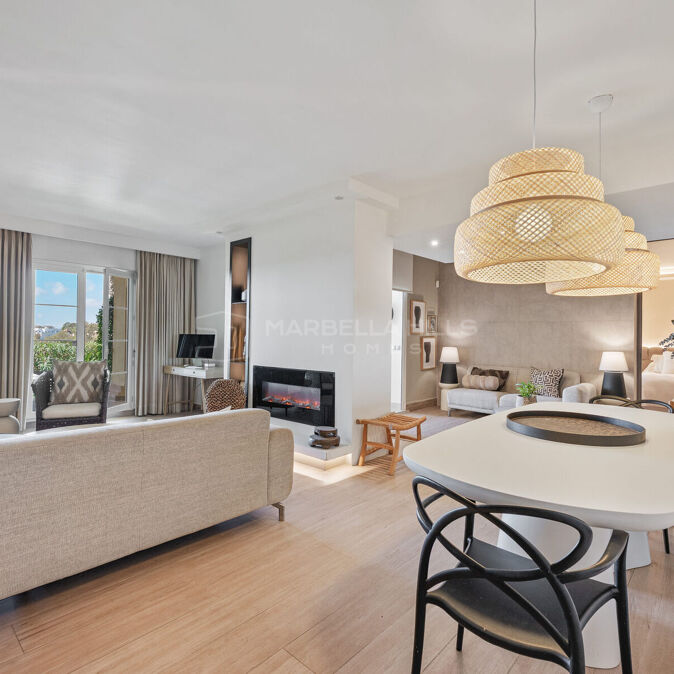
2-Bedroom Sea View Apartment in Señorío de Aloha, Nueva Andalucía
Señorio de Aloha, Nueva Andalucia €465,000Set in the well-known gated community of Señorío de Aloha in Nueva Andalucía, this bright two-bedroom apartment faces south-east and…
- View Property
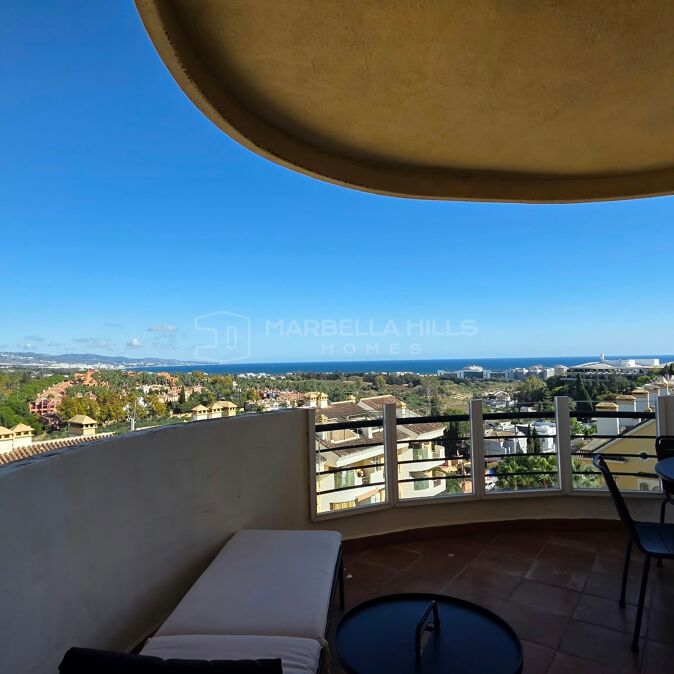
Renovated 3-Bed Apartment in Las Terrazas de Las Lomas, Golden Mile Marbella
Marbella Golden Mile €1,850,000Fully renovated in 2023, this three-bedroom apartment is located in Las Terrazas de Las Lomas, a well-established gated community on…
- View Property
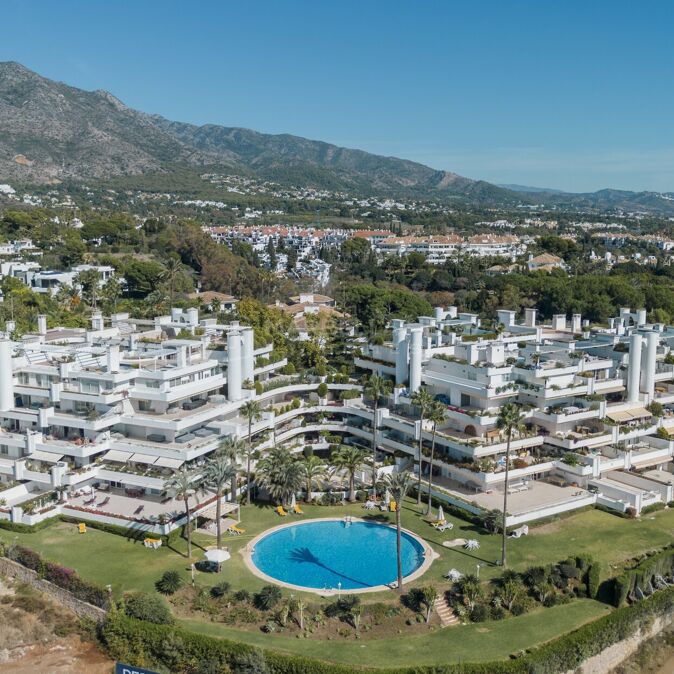
Villa Renovation Project for Sale in Los Naranjos Hill Club
Los Naranjos Hill Club, Nueva Andalucia €1,650,000A rare chance to create your own luxury home in Los Naranjos Hill Club, one of Nueva Andalucía's most established…
- View Property
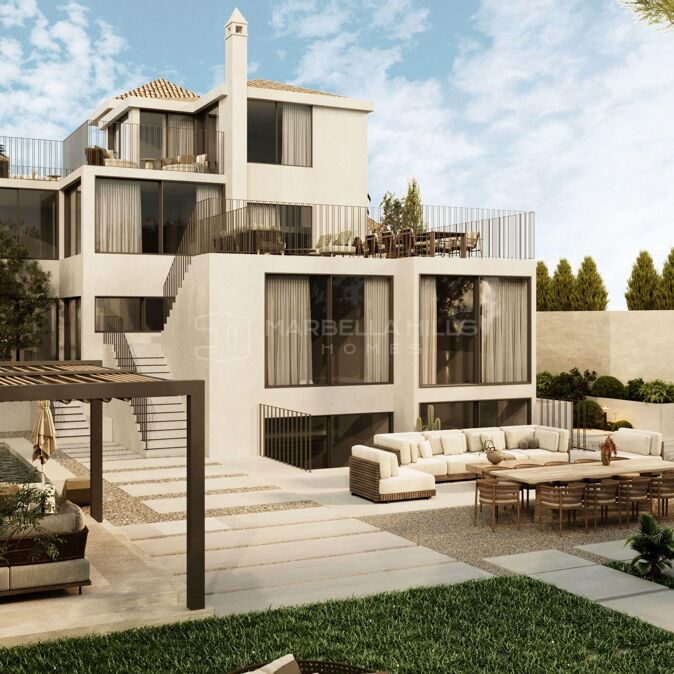
Frontline Golf Villa for Sale in Aloha, Nueva Andalucía
Aloha, Nueva Andalucia €4,995,000Set directly on the Aloha Golf course in the heart of Nueva Andalucía, this elegant Andalusian-style villa enjoys open views…
- View Property
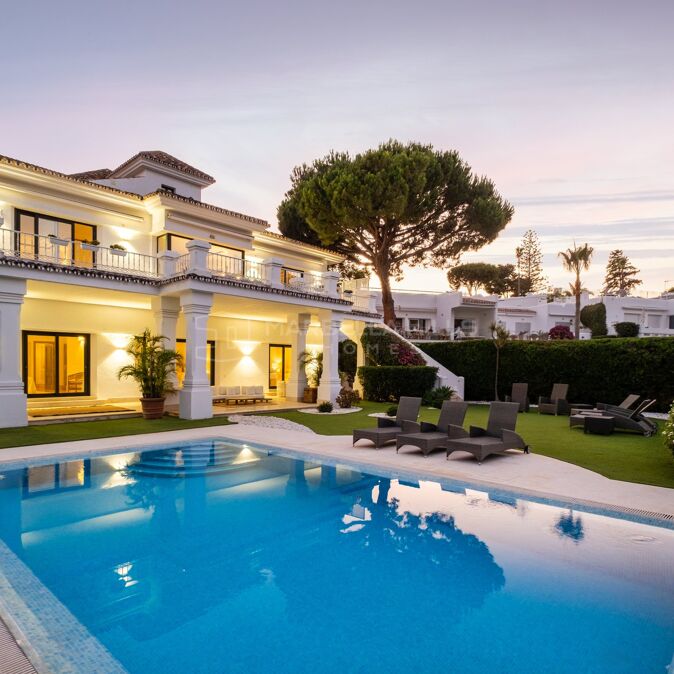
Renovated 3-Bed Apartment with Sea Views in Nueva Andalucía
Palacetes Los Belvederes, Nueva Andalucia €1,095,000Completely renovated in 2026, this south-facing three-bedroom apartment in the gated community of Palacetes Los Belvederes enjoys open, panoramic views…
- View Property
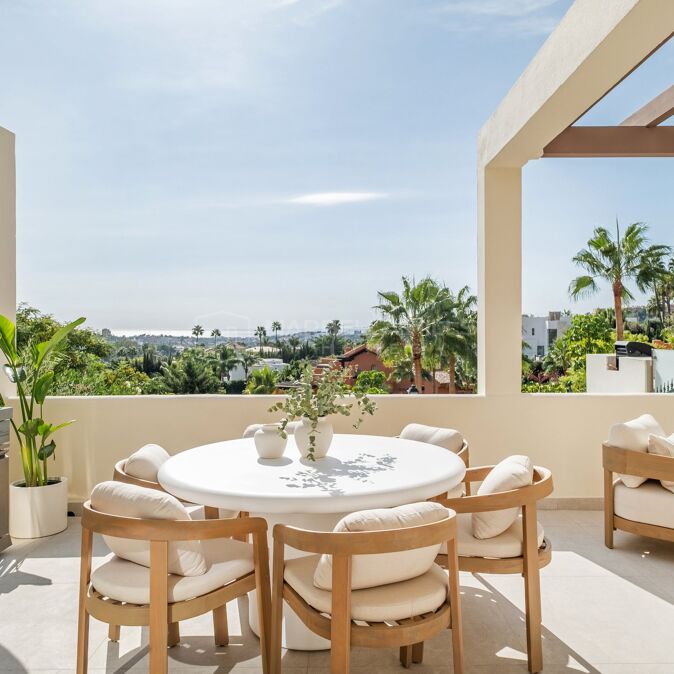
Single-Level 5-Bedroom Luxury Villa in Nagüeles, Golden Mile
Nagüeles, Marbella Golden Mile €3,995,000Located in the prestigious residential area of Nagüeles on Marbella's Golden Mile, Villa Pandora is an exceptional five-bedroom luxury villa…
- View Property
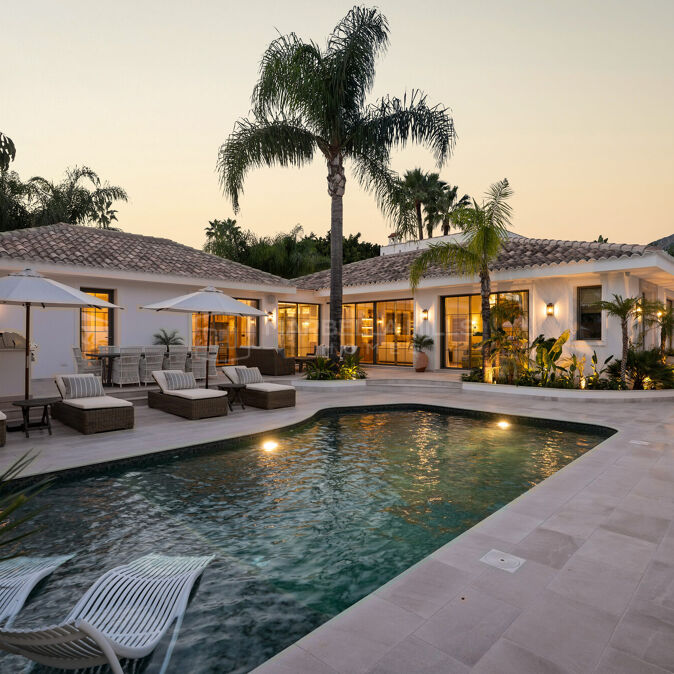
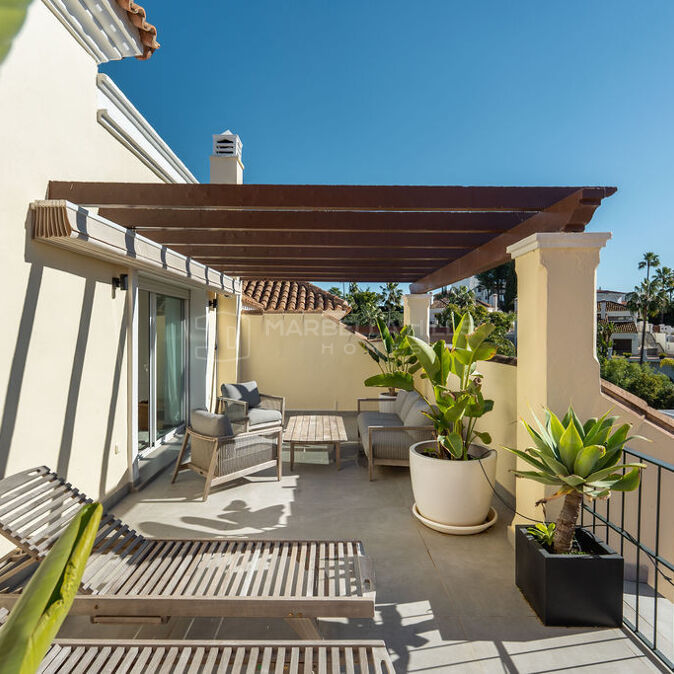
Penthouse with Private Rooftop Terrace in La Campana, Nueva Andalucía
La Campana, Nueva Andalucia €750,000Modern two-bedroom penthouse in La Campana, Nueva Andalucía, combining contemporary design and Scandinavian-inspired interiors with spacious outdoor living. The home…
- View Property
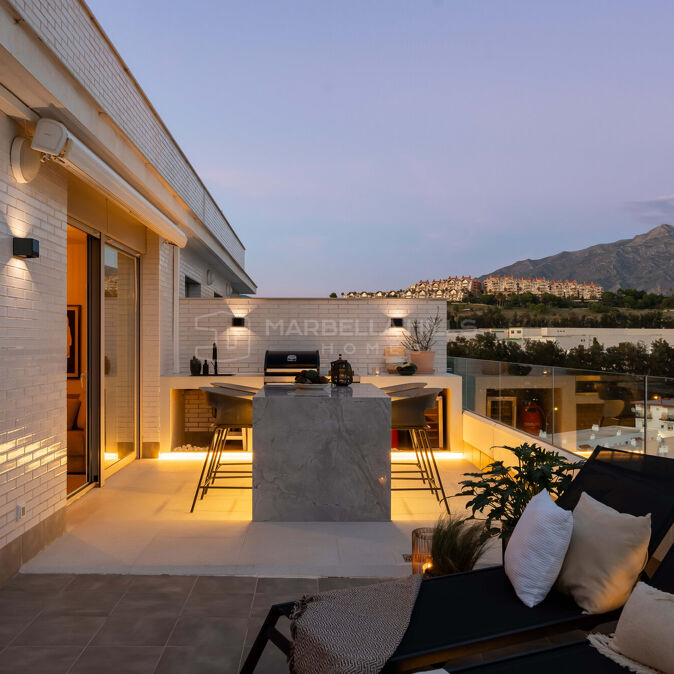
4-Bedroom Townhouse near Mistral Beach, Nueva Andalucía
Jardines de Andalucia, Nueva Andalucia €695,000Spacious 4-bedroom townhouse in the established community of Jardines de Andalucía, Nueva Andalucía, within walking distance of Mistral Beach, restaurants,…
- View Property
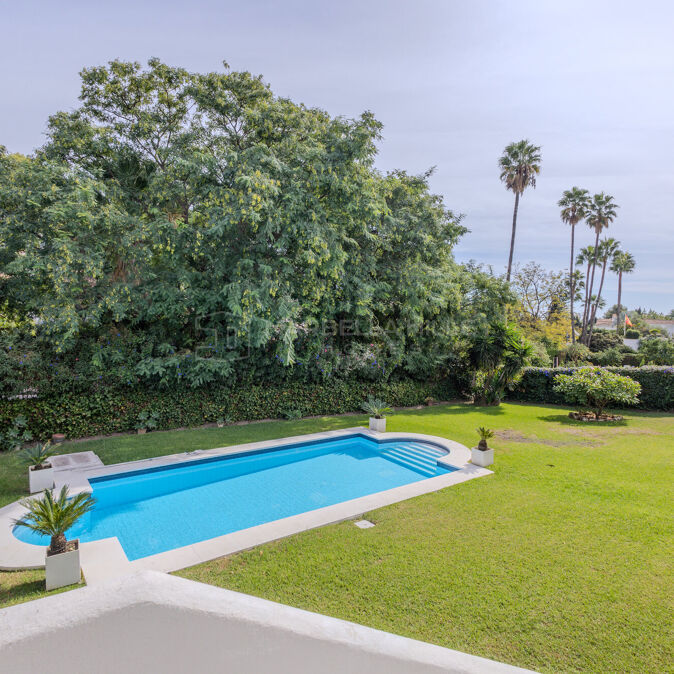
Renovated 7-bedroom villa with rooftop views and tourist licence in Parcelas del Golf
Parcelas del Golf, Nueva Andalucia €4,495,000Set on one of the highest plots in the gated community of Parcelas del Golf, in the heart of Nueva…
- View Property

Fully renovated 4-bedroom villa with heated pool in Marbella Country Club
Marbella Country Club, Nueva Andalucia €3,875,000Tucked away in the gated Marbella Country Club in Nueva Andalucía, this completely renovated villa combines contemporary design with an…
- View Property
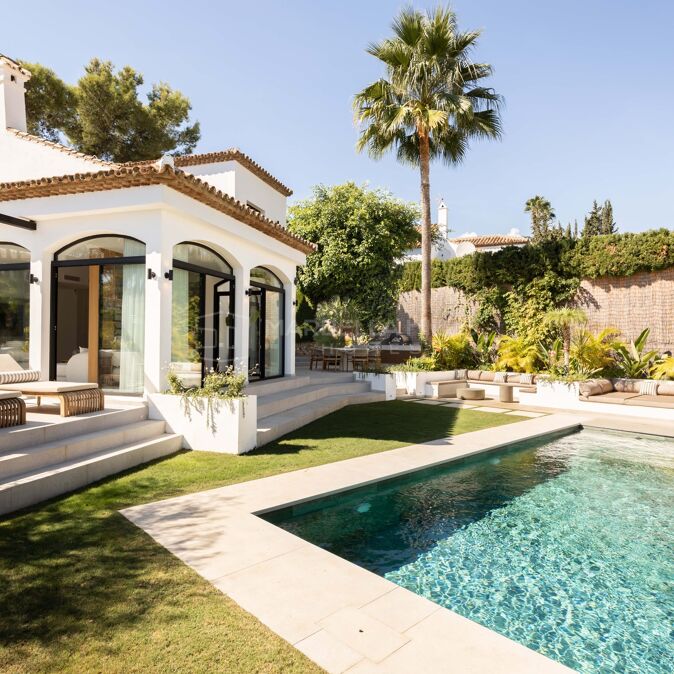
Renovated 3-bedroom apartment in Sol y Paz, Nueva Andalucía, walking distance to Puerto Banús
Sol y Paz, Nueva Andalucia €849,000This newly renovated three-bedroom apartment is set in Sol y Paz, a small, well-run gated community in the heart of…
- View Property
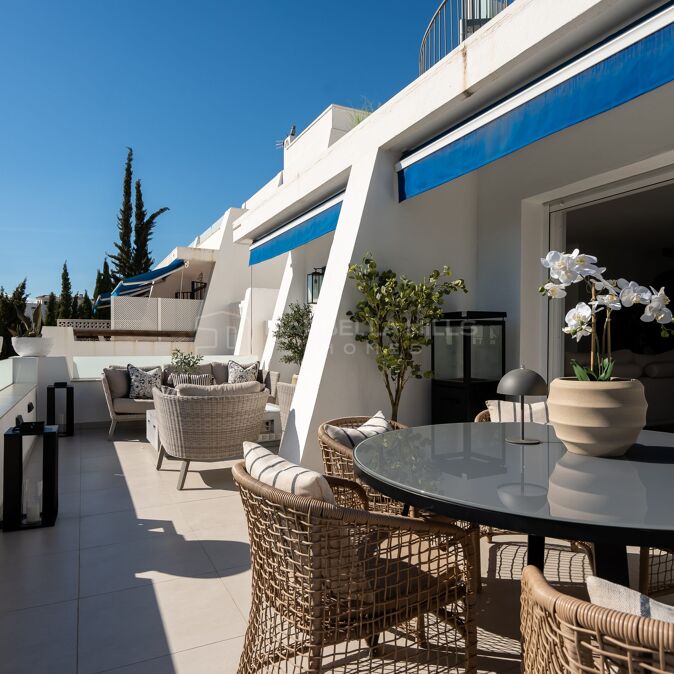
Renovated 4-bedroom ground floor duplex frontline Los Naranjos Golf, Alcores del Golf, Nueva Andalucía
Alcores del Golf, Nueva Andalucia €2,475,000Vista Verde is a fully renovated ground floor duplex in Alcores del Golf, one of Nueva Andalucía's most established gated…
- View Property
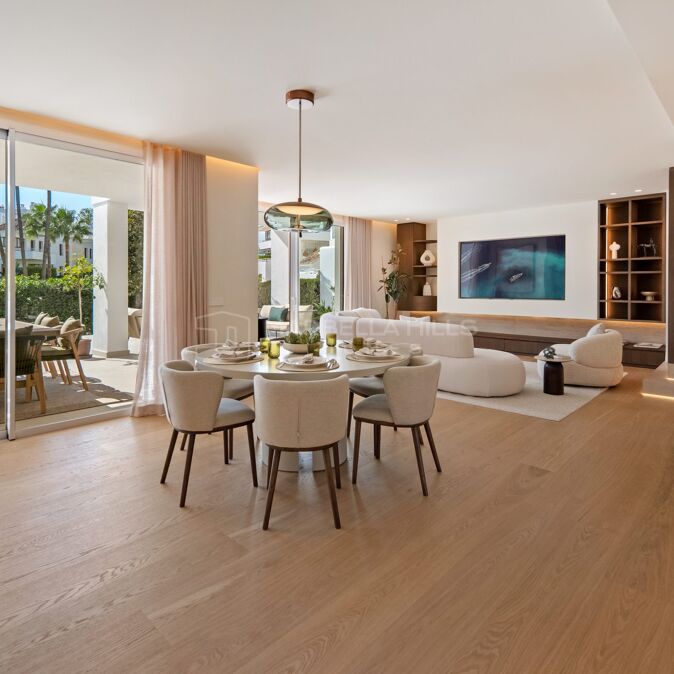
Renovated duplex penthouse with sea views in Monte Paraíso, Marbella Golden Mile
Monte Paraiso, Marbella Golden Mile €2,700,000This fully renovated three-bedroom duplex penthouse is set in Monte Paraíso, one of the most sought-after gated communities in Las…
- View Property
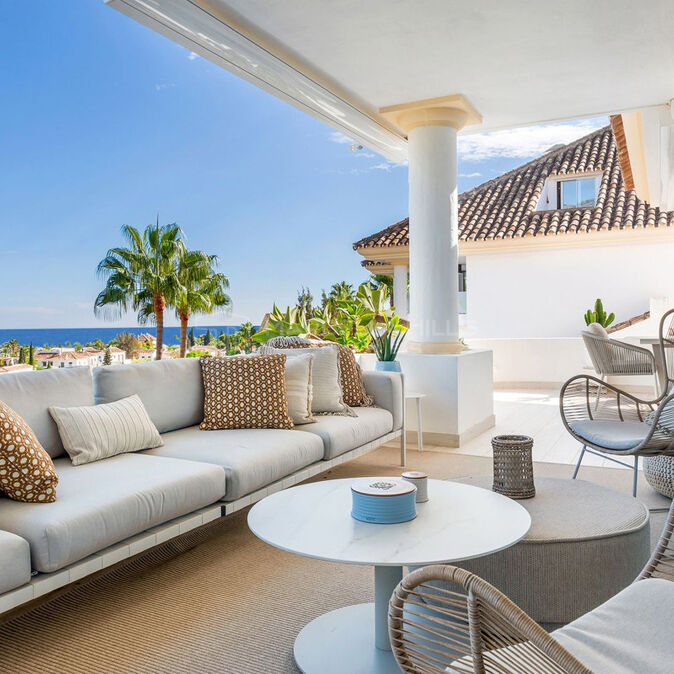
Duplex penthouse with La Concha views in River Garden, Las Brisas, Nueva Andalucía
River Garden, Nueva Andalucia €995,000This spacious duplex penthouse in River Garden, a well-kept residential community in Las Brisas, Nueva Andalucía, offers open views over…
- View Property
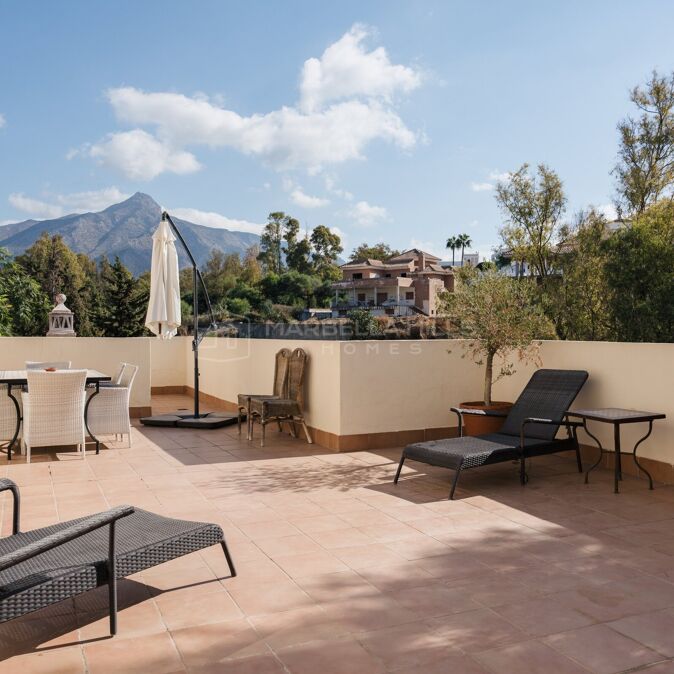
Contemporary three bedroom townhouse with lift and rooftop terrace in Vistas Marinas, Sierra Blanca
Vistas Marinas, Marbella Golden Mile €2,300,000A contemporary townhouse in Vistas Marinas, Sierra Blanca on Marbella's Golden Mile, minutes from Marbella Club, Puente Romano, the beach,…
- View Property
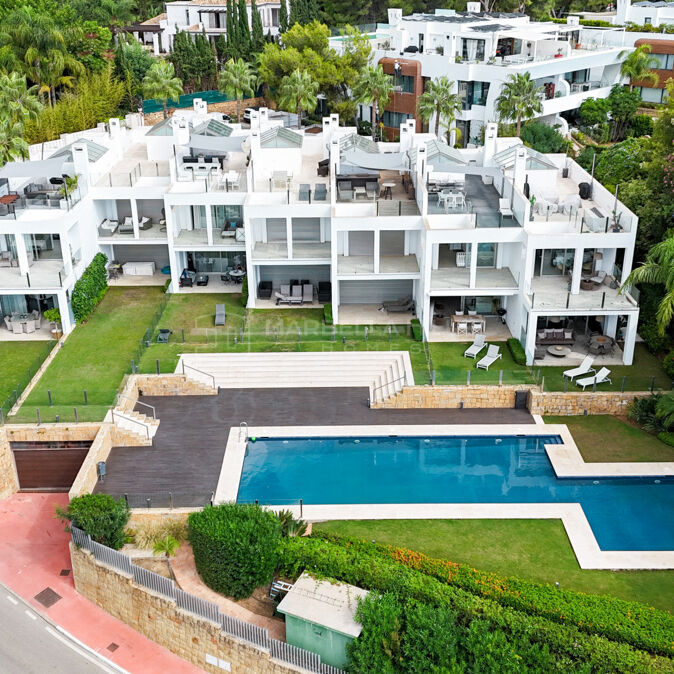
Three bedroom townhouse with La Concha views near Puerto Banús
Nueva Andalucia, Marbella €847,000A bright three bedroom townhouse in Los Torreros, a gated Andalusian-style community in Nueva Andalucía, a five-minute walk from Puerto…
- View Property
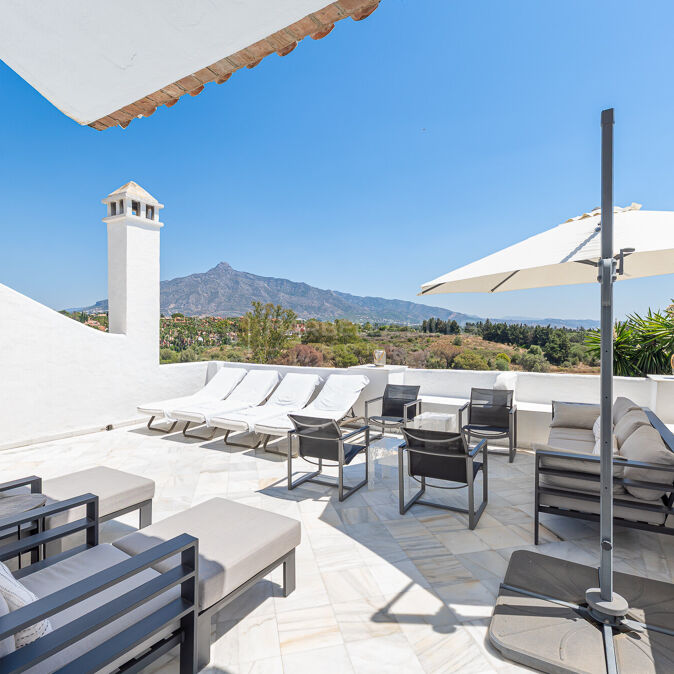
Two bedroom garden apartment in Las Mimosas, Puerto Banús
Las Mimosas, Puerto Banus Reduced from €825,000€750,000A spacious two bedroom, two bathroom ground floor apartment in Las Mimosas de Puerto Banús, a gated community within walking…
- View Property
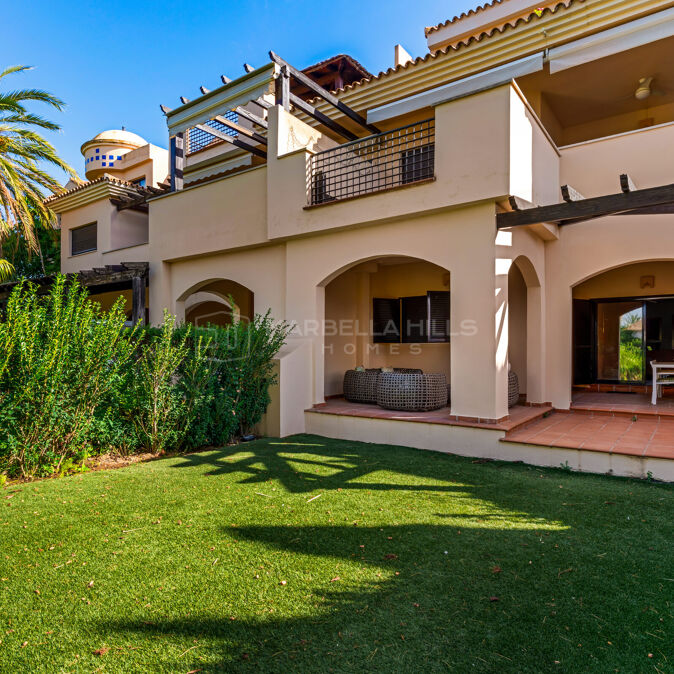
Andalusian villa on a double plot, second line beach in Los Monteros, Marbella East
Los Monteros Playa, Marbella Este €7,500,000Just steps from the Mediterranean Sea, in one of Marbella's most prestigious beachside enclaves, this exceptional Andalusian villa presents a…
- View Property
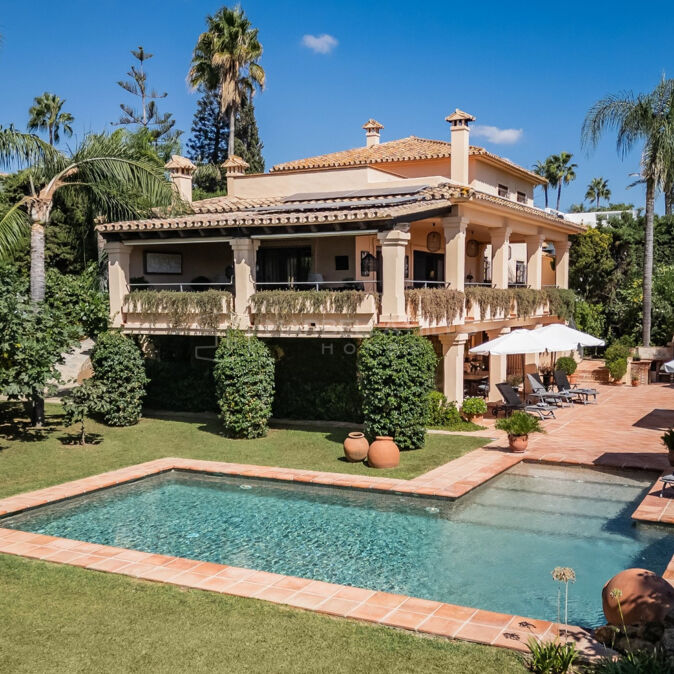
Contemporary 5 bedroom villa with sea views in La Finca de Marbella
La Finca de Marbella, Marbella Este €2,995,000A contemporary villa completed in 2023 in La Finca de Marbella, a gated community in Marbella East, with views over…
- View Property
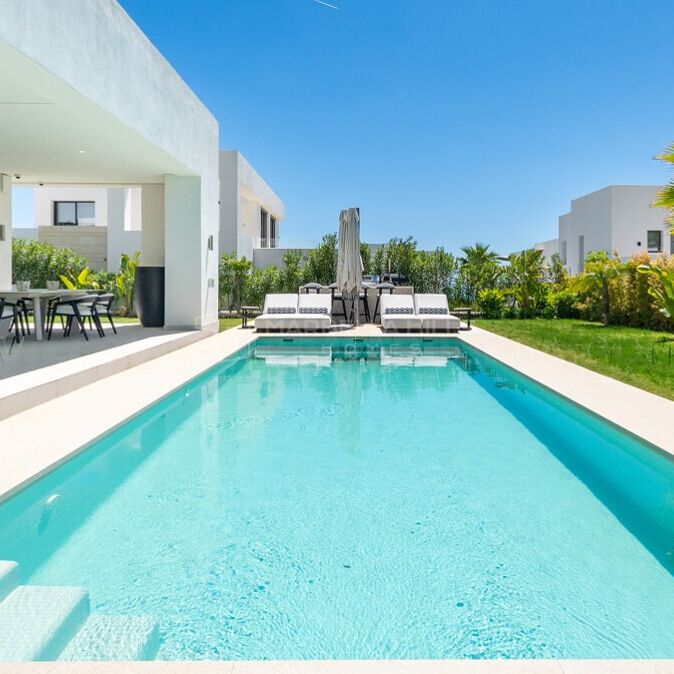
€2,445,000A fully renovated apartment in Los Monteros Palm Beach, a gated beachside community in Marbella East with direct access to…
- View Property
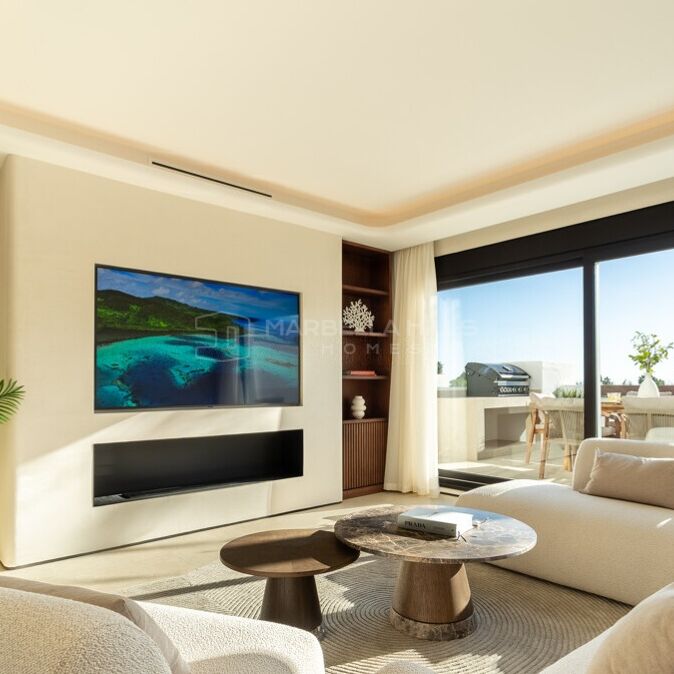
Contemporary 4-bedroom townhouse with roof terrace and panoramic views in Nueva Andalucía
Nueva Andalucia, Marbella €1,195,000Set in a gated community in upper Nueva Andalucía, this contemporary townhouse combines modern interiors with sweeping views over the…
- View Property
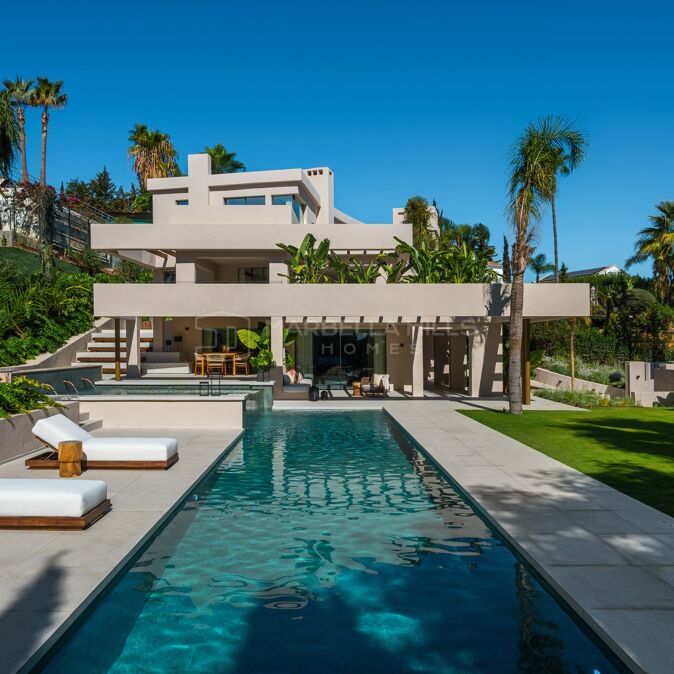
Exclusive Luxury Villa for Sale in Nueva Andalucía, Marbella
Nueva Andalucia, Marbella €6,950,000Tucked away in a quiet cul-de-sac in the heart of Nueva Andalucía, Marbella's prestigious Golf Valley, Villa Èlan is an…
- View Property
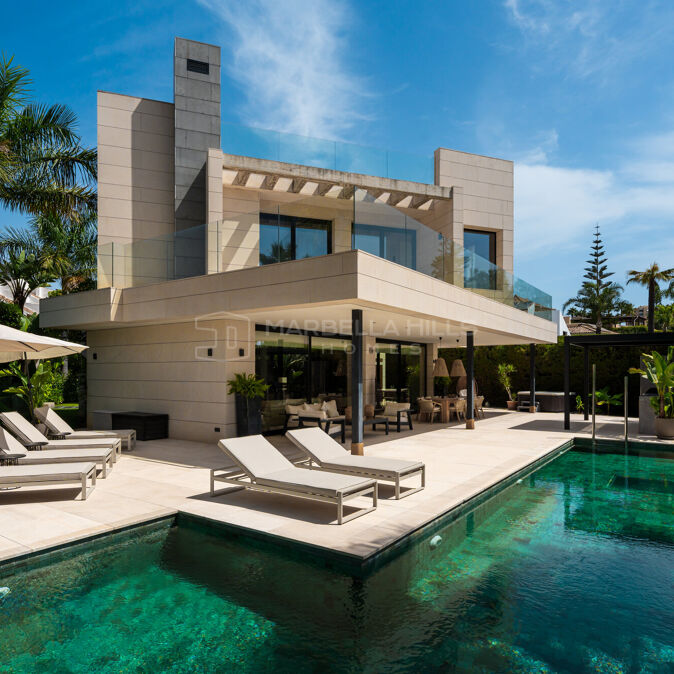
Six-bedroom contemporary villa with 12-car garage in Parcelas del Golf, Nueva Andalucía
Parcelas del Golf, Nueva Andalucia €7,200,000Paris 57 is a bold, contemporary six-bedroom villa in Parcelas del Golf, a discreet residential community with 24-hour security in…
- View Property
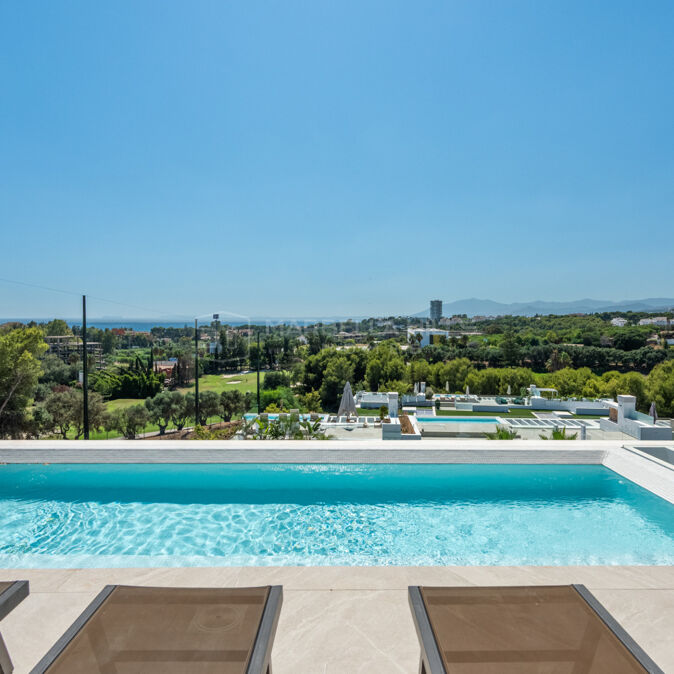
New Penthouse with Private Rooftop Pool and Sea & Golf Views for Sale in Soul Marbella
Santa Clara, Marbella Este €1,495,000Brand new and ready to move into, this two-bedroom penthouse sits in one of the best-positioned blocks of Soul Marbella,…
- View Property
Beautifully Renovated 2 bedroom Apartment for sale in Balcones de Puente Romano, Marbella Golden Mile
Balcones de Puente Romano, Marbella Golden Mile €1,590,000Located within the prestigious Balcones de Puente Romano residential community on Marbella's iconic Golden Mile, this beautifully renovated two-bedroom apartment…
- View Property
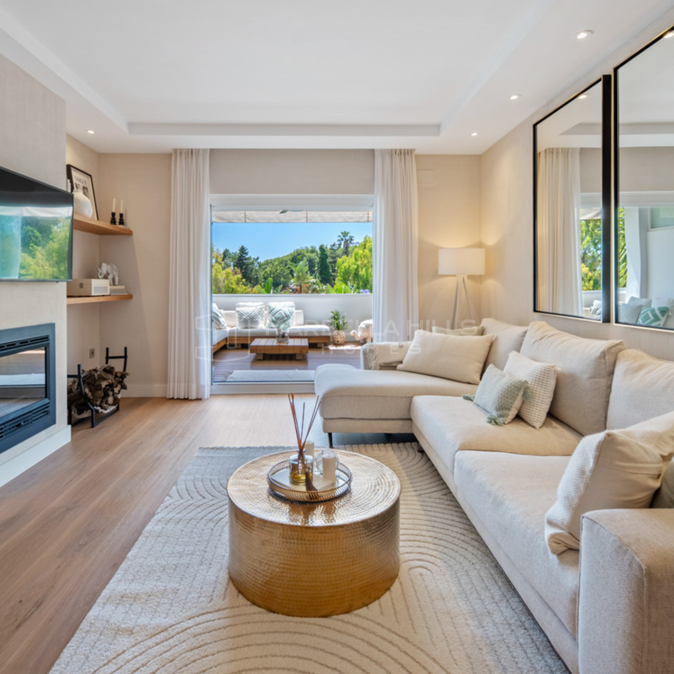
Exclusive Luxury Villa for Sale in La Mairena with Panoramic Sea Views and 7,793 m² Estate
La Mairena, Marbella Este €2,800,000Set within the beautiful natural surroundings of La Mairena, in the hills above Elviria in East Marbella, this exceptional five-bedroom…
- View Property
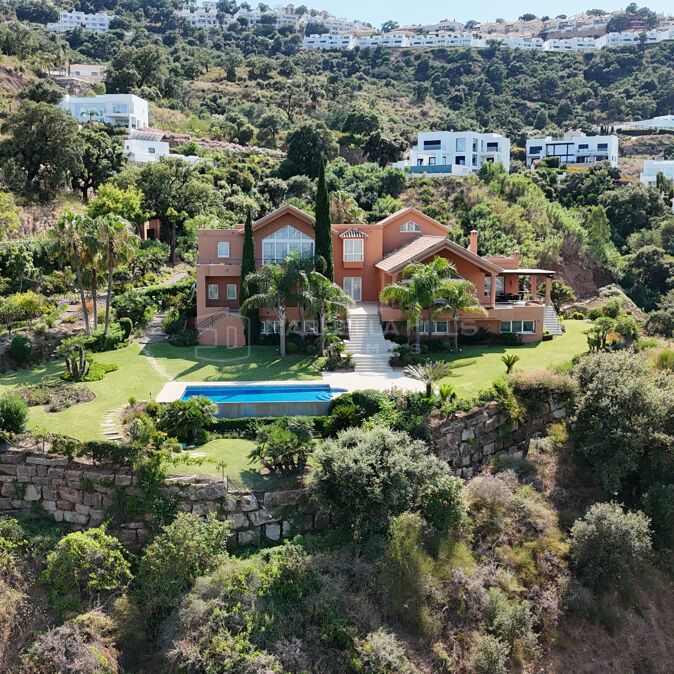
Renovated 2-Bedroom Apartment for Sale in Puente Romano II, Marbella Golden Mile
Marina Puente Romano, Marbella Golden Mile €2,295,000Discover this beautifully renovated ground-floor apartment for sale in Puente Romano II, one of the most desirable residential developments on…
- View Property
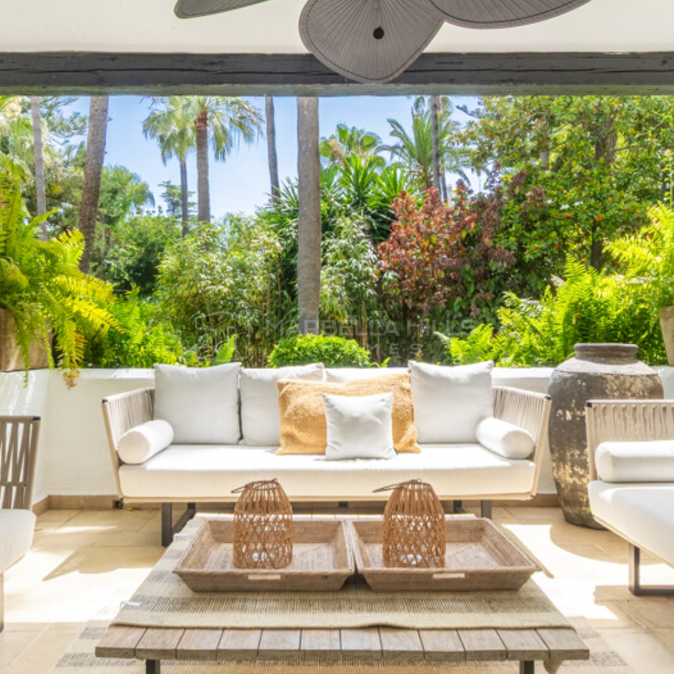
Spacious Five-Bedroom Villa with Panoramic Coastal Views in El Rosario, Marbella East
El Rosario, Marbella Este €3,100,000Enjoying an elevated position in the established residential area of El Rosario, Marbella East, this impressive five-bedroom detached villa offers…
- View Property
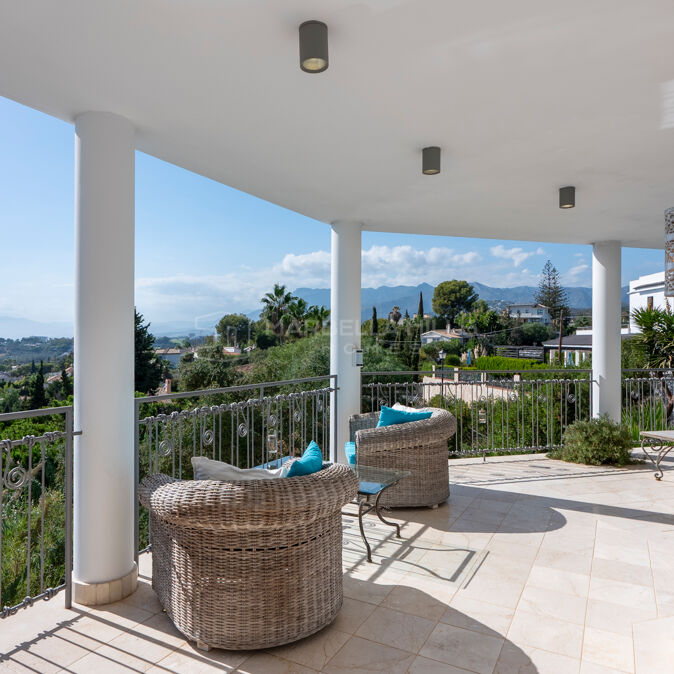
Duplex Penthouse with Panoramic Sea Views in Les Belvederes, Nueva Andalucía
Les Belvederes, Nueva Andalucia €2,475,000Situated within the prestigious gated community of Les Belvederes in Nueva Andalucía, this exceptional three-bedroom duplex penthouse combines contemporary elegance,…
- View Property
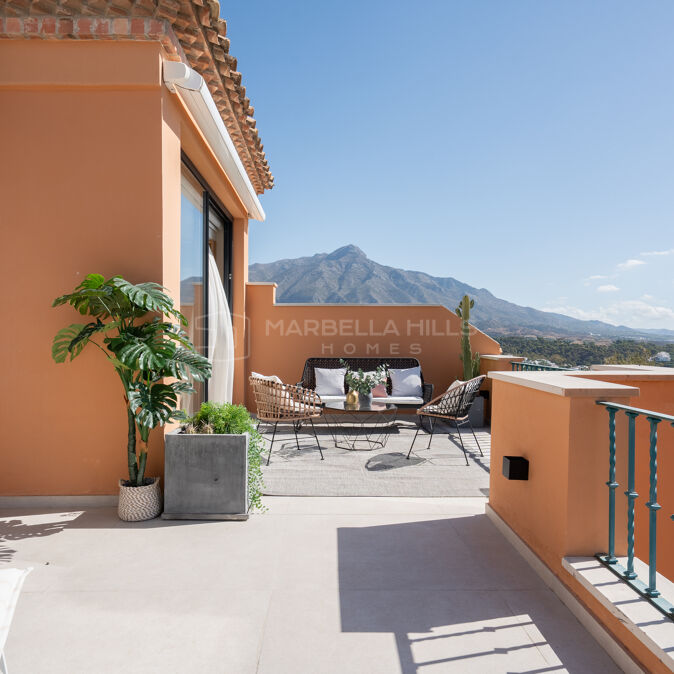
Exceptional Contemporary Luxury Villa Under Construction in Nueva Andalucía, Marbella
Nueva Andalucia, Marbella €5,990,000Discover an exceptional contemporary luxury villa for sale in Nueva Andalucía, ideally positioned in Marbella's prestigious Golf Valley, just minutes…
- View Property
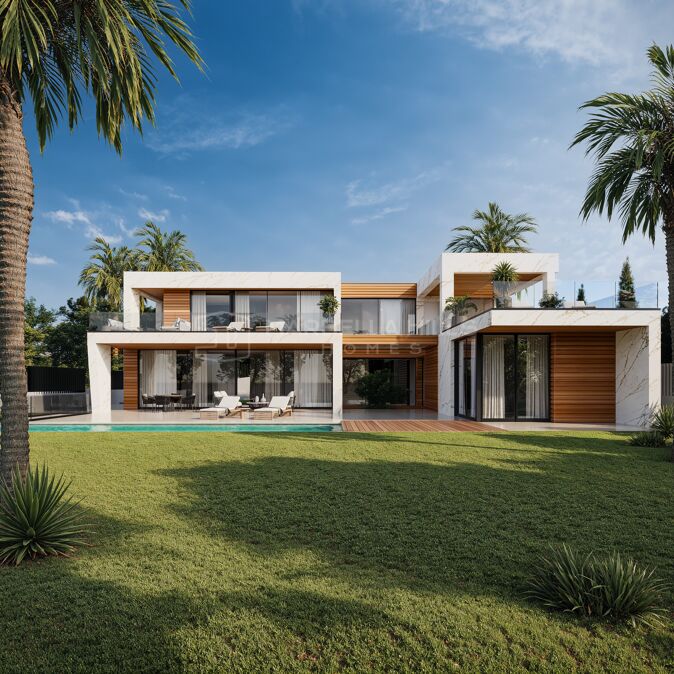
Fully Renovated Villa with Sea Views for Sale in Elviria, Marbella East
Elviria, Marbella Este €2,750,000This beautifully renovated five-bedroom villa for sale in Elviria, Marbella East offers contemporary Mediterranean living in one of the area’s…
- View Property