Plusvalía in Marbella: what sellers and heirs really pay in 2026
Summary
Plusvalía is the municipal tax on the increase in value of the land when a property is sold, given away or inherited. This guide explains how it works in Marbella in 2026.
Key Takeaways
- Marbella applies a rate of 29% to the taxable base.
- You can choose between the objective method and the real gain method, and pay the lower result.
- If you sell at a loss, no plusvalía is due.
- On a sale by a non-resident, the buyer pays the plusvalía and also withholds 3% for capital gains tax.
- Heirs of a main home can request reductions of up to 95%, and must declare within 6 months.
If you sell, give away or inherit a property in Marbella, there is one local tax you cannot avoid: the plusvalía municipal. It is often confused with capital gains tax, it can be paid by the buyer instead of the seller, and since the 2021 reform you only pay it when the land has really gained value.
This guide explains how plusvalía works in Marbella in 2026: who pays, how it is calculated, what the inheritance reductions are, the deadlines, and how it fits with your other taxes when you sell your property in Marbella.
Plusvalía in Marbella at a Glance
| Plusvalía at a glance | |
|---|---|
| Official name | Impuesto sobre el Incremento de Valor de los Terrenos de Naturaleza Urbana (IIVTNU) |
| Charged by | Marbella town council |
| When | On a sale, gift or inheritance of urban property |
| What is taxed | The increase in value of the land, not the building |
| Rate in Marbella | 29% of the taxable base |
| Who pays | Seller on a sale (the buyer if the seller is a non-resident), recipient on a gift, heirs on an inheritance |
| Deadline | 30 working days after a sale or gift; 6 months after a death, extendable to 1 year |

What Is Plusvalía?
Plusvalía is a municipal tax on the increase in value of the land on which a property stands, from the moment the owner acquired it until the moment it changes hands. It applies to urban properties, including apartments, townhouses and villas, but not to rustic land.
Because it is a local tax, the rules come from national law but each town council sets its own rate, coefficients and reductions within the legal limits. In Marbella the rate is 29%, close to the legal maximum of 30%.
When Do You Have to Pay It?
Plusvalía is due whenever ownership of an urban property is transferred. The most common cases are:
- Sale of a property
- Gift (donación) of a property, for example to children
- Inheritance of a property after a death
It is not due when there has been no increase in value, which you prove with the purchase and sale deeds; on transfers between spouses or to children as a result of separation or divorce; on contributions to the marital property; or on rustic land.
Who Pays Plusvalía?
| Situation | Who pays |
|---|---|
| Sale by a resident seller | The seller |
| Sale by a non-resident seller | The buyer, as substitute taxpayer; in practice the amount is usually withheld from the price |
| Gift | The person who receives the property |
| Inheritance | The heirs |
Buyer and seller should always agree in writing how plusvalía will be handled, especially when the seller is a non-resident.
How Plusvalía Is Calculated
Since the Constitutional Court ruling of October 2021 and the reform that followed, there are two ways to calculate the tax, and the taxpayer pays the lower result.
1. The objective method
The cadastral value of the land, shown on the IBI receipt, is multiplied by a coefficient that depends on how many full years you have owned the property. The result is the taxable base, and Marbella applies its 29% rate to it.
2. The real gain method
The actual gain is the difference between the sale price and the purchase price, as shown in the deeds. Only the part that corresponds to the land is taxed, using the proportion between the land and the total cadastral value. If you sell at a loss, there is no tax at all.
The coefficients in 2026
The coefficients are set by national law as maximums. A 2026 update was not ratified by Congress, so the 2024 maximum coefficients continue to apply in 2026.
| Years of ownership | Coefficient |
|---|---|
| Less than 1 year or 1 year | 0.15 |
| 2 to 3 years | 0.14 |
| 4 years | 0.16 |
| 5 years | 0.18 |
| 6 years | 0.19 |
| 7 years | 0.20 |
| 8 years | 0.19 |
| 9 years | 0.15 |
| 10 years | 0.12 |
| 11 years | 0.10 |
| 12 to 15 years | 0.09 |
| 16 years | 0.10 |
| 17 years | 0.13 |
| 18 years | 0.17 |
| 19 years | 0.23 |
| 20 years or more | 0.40 |

A Worked Example
A seller who bought eight and a half years ago sells a villa. The cadastral value of the land is €120,000.
| Step | Amount |
|---|---|
| Cadastral value of the land | €120,000 |
| Coefficient for 8 full years | 0.19 |
| Taxable base (objective method) | €22,800 |
| Plusvalía at 29% | €6,612 |
If the real gain method gives a lower taxable base, for example because the property was bought at the top of the market, the seller pays the lower amount. If the property is sold for less than it cost, no plusvalía is due.
Inheritance and Gifts: the Marbella Reductions
Marbella offers a reduction on plusvalía when the deceased person's main home passes by inheritance or gift to their descendants, ascendants, spouse or registered partner in Andalucía. The reduction depends on the cadastral value of the home:
| Cadastral value of the home | Reduction |
|---|---|
| Up to €125,000 | 95% |
| €125,000 to €200,000 | 50% |
| €200,000 to €300,000 | 20% |
| Above €300,000 | No reduction |
The reduction must be requested expressly, and the conditions are set in the town's tax ordinance, which can change every year. Our guides to inheritance and gift tax in Andalucía and inheriting a property in Spain explain the other taxes and steps involved.
Deadlines and How to Pay
Sale or gift. The tax must be declared within 30 working days of the deed.
Inheritance. The deadline is 6 months from the date of death, and it can be extended to one year if you request the extension before the first 6 months end.
How. In Marbella, plusvalía is declared at the town council's tax offices; the notary or your lawyer usually prepares the declaration. Late payment leads to surcharges and interest.
Plusvalía and Capital Gains Tax
Plusvalía is not the same as the tax on your profit from the sale. When you sell, you may pay both.
| Plusvalía municipal | Capital gains tax | |
|---|---|---|
| Charged by | Marbella town council | Spanish tax agency |
| What is taxed | Increase in value of the land | Your total profit on the sale |
| Rate | 29% of the taxable base | 19% to 30% for residents; 19% for non-residents |
| Who pays | Seller, or the buyer if the seller is a non-resident | The seller |
The plusvalía you pay counts as a cost of the sale and reduces your taxable profit for capital gains tax. For non-resident sellers, the buyer must also withhold 3% of the price and pay it to the tax agency on account of the seller's capital gains tax. Our guide to non-resident property taxes in Spain explains this in detail.

Selling as a Non-Resident
If you live outside Spain, two amounts are normally retained from the sale price at the notary: the 3% withholding for capital gains tax, and the estimated plusvalía, which the buyer then pays to the town council as substitute taxpayer. Agreeing this clearly in the reservation and private contract avoids delays at completion.
If your real gain is lower than the objective calculation, or if you sell at a loss, ask your lawyer to apply the real gain method or request an exemption, and keep your original purchase deed and invoices for improvements.
Common Mistakes with Plusvalía
Confusing it with capital gains tax. They are two different taxes, paid to different authorities.
Paying when there was no gain. Since 2021, a sale at a loss is not taxed, but you must prove it with the deeds.
Forgetting the reductions on inheritance. They are not applied automatically and must be requested within the deadline.
Missing the deadline. Late declarations lead to surcharges, especially in inheritances, where families often wait too long.
The Seller's Plusvalía Checklist
What to have ready before you sell:
- Your purchase deed, showing the date and price
- The latest IBI receipt, with the cadastral value of the land
- The number of full years you have owned the property
- A comparison of the objective and real gain methods
- Agreement with the buyer on how plusvalía will be paid, if you are a non-resident
- An estimate of your capital gains tax and the 3% withholding
Plusvalía in Marbella: Frequently Asked Questions
What is the plusvalía rate in Marbella?
Marbella applies a rate of 29% to the taxable base, which is calculated from the cadastral value of the land or from the real gain, whichever is lower.
Who pays plusvalía when I sell?
The seller pays it. If the seller is a non-resident, the buyer pays it as substitute taxpayer and usually withholds the amount from the price.
Do I pay plusvalía if I sell at a loss?
No. Since the 2021 reform, there is no tax if the sale price is lower than the purchase price, as long as you can prove it with the deeds.
How much does plusvalía cost on a typical sale?
It depends on the cadastral value of the land and the years of ownership. On many apartments it is a few thousand euros, while on villas with large plots it can be considerably more.
Is there a reduction for inheritances in Marbella?
Yes, for the main home passed to close family, with reductions of 95%, 50% or 20% depending on its cadastral value. It must be requested within the deadline.
Can I deduct plusvalía from my capital gains tax?
Yes. The plusvalía paid is a cost of the sale and reduces the taxable gain for capital gains tax.
Our View
Plusvalía is rarely the largest cost of a sale, but it is one of the most misunderstood. Knowing which method applies, who pays and when, and whether you qualify for a reduction can save money and avoid delays at the notary.
Because the coefficients and the town's ordinance can change each year, always check the figures for the year of your sale or inheritance with your lawyer.
Selling a Property in Marbella?
At Marbella Hills Homes we guide owners through the whole sale, from valuation to completion, and work with trusted lawyers and tax advisers. Read our guide to selling your property in Marbella and our guide to property ownership in Marbella, or contact our team for a free valuation.
Properties for Sale in Marbella: Luxury Villas, Penthouses and Apartments
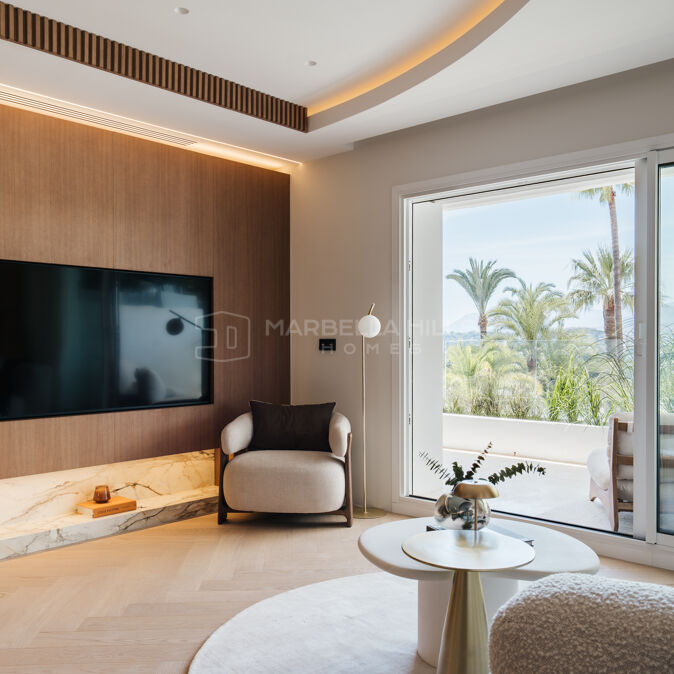
3-Bedroom Ground Floor Apartment with Sea Views, Cumbres del Rodeo
Cumbres del Rodeo, Nueva Andalucia €1,150,000This beautifully presented ground-floor corner apartment in Cumbres del Rodeo, Nueva Andalucía, offers privacy, space and sweeping Mediterranean views towards…
- View Property
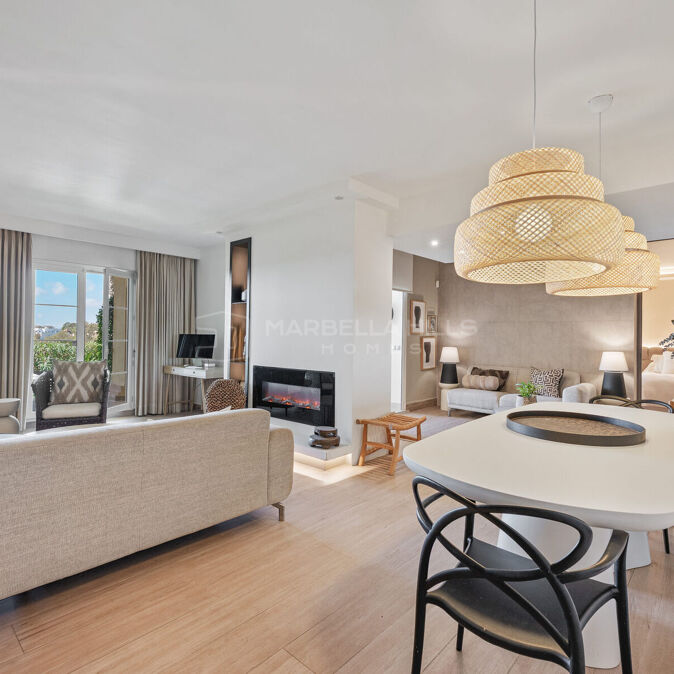
2-Bedroom Sea View Apartment in Señorío de Aloha, Nueva Andalucía
Señorio de Aloha, Nueva Andalucia €465,000Set in the well-known gated community of Señorío de Aloha in Nueva Andalucía, this bright two-bedroom apartment faces south-east and…
- View Property
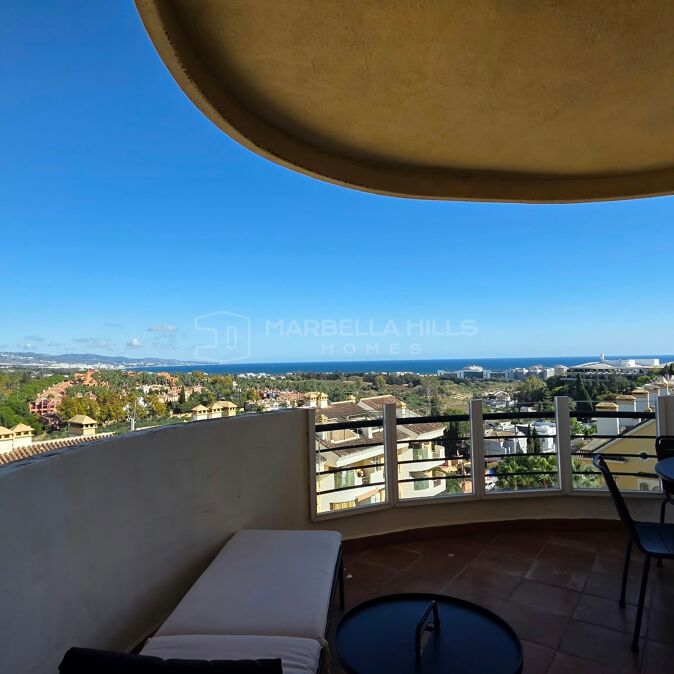
Renovated 3-Bed Apartment in Las Terrazas de Las Lomas, Golden Mile Marbella
Marbella Golden Mile €1,850,000Fully renovated in 2023, this three-bedroom apartment is located in Las Terrazas de Las Lomas, a well-established gated community on…
- View Property
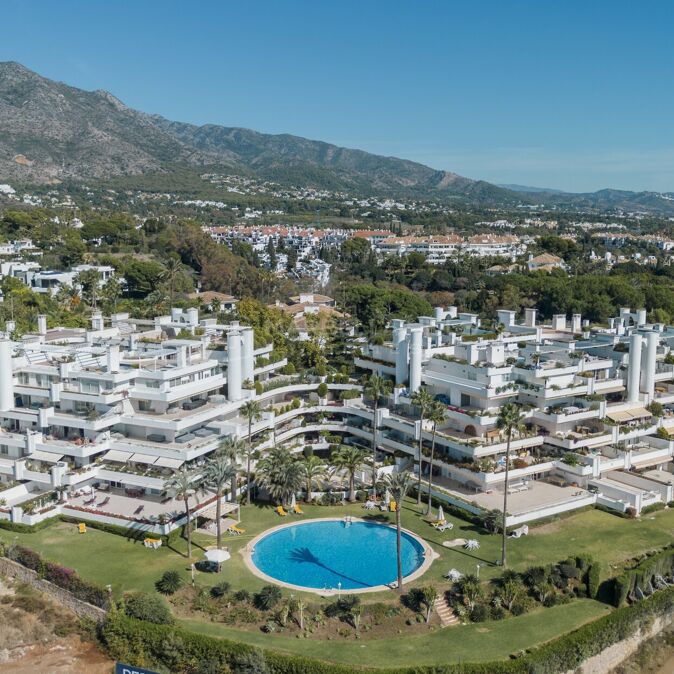
Villa Renovation Project for Sale in Los Naranjos Hill Club
Los Naranjos Hill Club, Nueva Andalucia €1,650,000A rare chance to create your own luxury home in Los Naranjos Hill Club, one of Nueva Andalucía's most established…
- View Property
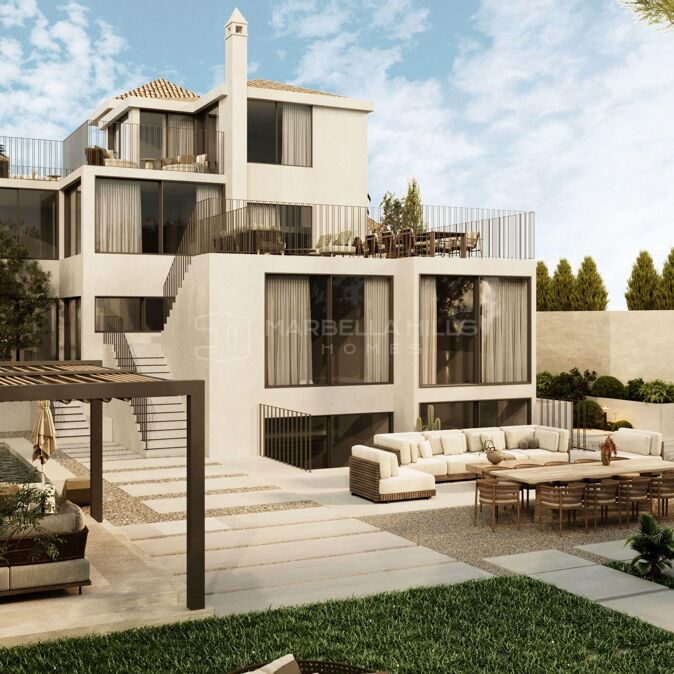
Frontline Golf Villa for Sale in Aloha, Nueva Andalucía
Aloha, Nueva Andalucia €4,995,000Set directly on the Aloha Golf course in the heart of Nueva Andalucía, this elegant Andalusian-style villa enjoys open views…
- View Property

Renovated 3-Bed Apartment with Sea Views in Nueva Andalucía
Palacetes Los Belvederes, Nueva Andalucia €1,095,000Completely renovated in 2026, this south-facing three-bedroom apartment in the gated community of Palacetes Los Belvederes enjoys open, panoramic views…
- View Property
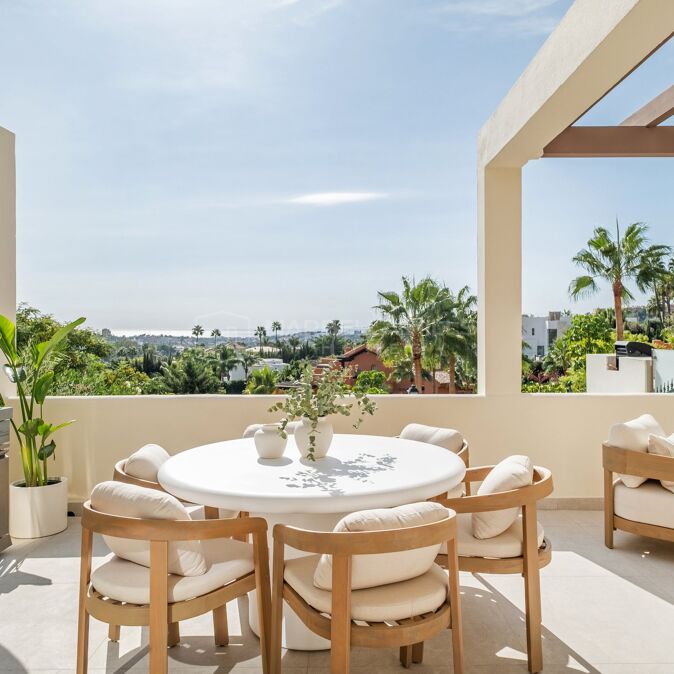
Single-Level 5-Bedroom Luxury Villa in Nagüeles, Golden Mile
Nagüeles, Marbella Golden Mile €3,995,000Located in the prestigious residential area of Nagüeles on Marbella's Golden Mile, Villa Pandora is an exceptional five-bedroom luxury villa…
- View Property

Penthouse with Private Rooftop Terrace in La Campana, Nueva Andalucía
La Campana, Nueva Andalucia €750,000Modern two-bedroom penthouse in La Campana, Nueva Andalucía, combining contemporary design and Scandinavian-inspired interiors with spacious outdoor living. The home…
- View Property

4-Bedroom Townhouse near Mistral Beach, Nueva Andalucía
Jardines de Andalucia, Nueva Andalucia €695,000Spacious 4-bedroom townhouse in the established community of Jardines de Andalucía, Nueva Andalucía, within walking distance of Mistral Beach, restaurants,…
- View Property
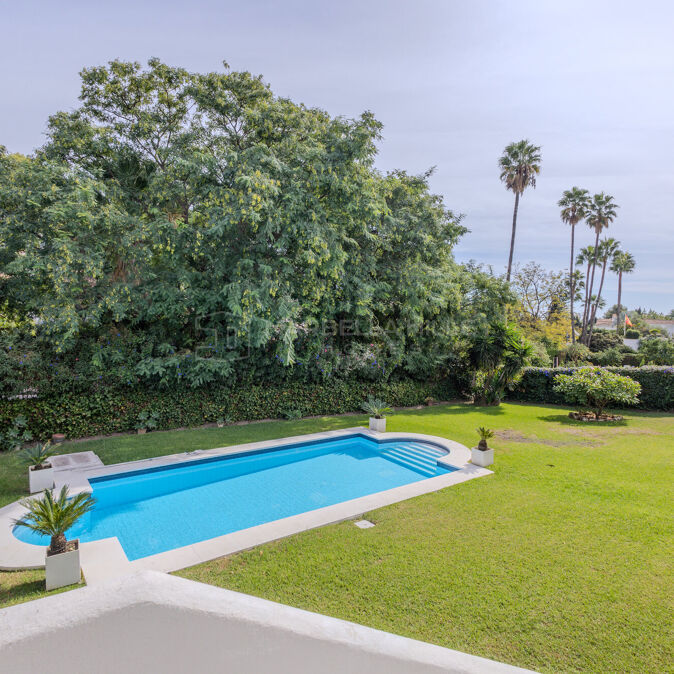
Renovated 7-bedroom villa with rooftop views and tourist licence in Parcelas del Golf
Parcelas del Golf, Nueva Andalucia €4,495,000Set on one of the highest plots in the gated community of Parcelas del Golf, in the heart of Nueva…
- View Property

Fully renovated 4-bedroom villa with heated pool in Marbella Country Club
Marbella Country Club, Nueva Andalucia €3,875,000Tucked away in the gated Marbella Country Club in Nueva Andalucía, this completely renovated villa combines contemporary design with an…
- View Property
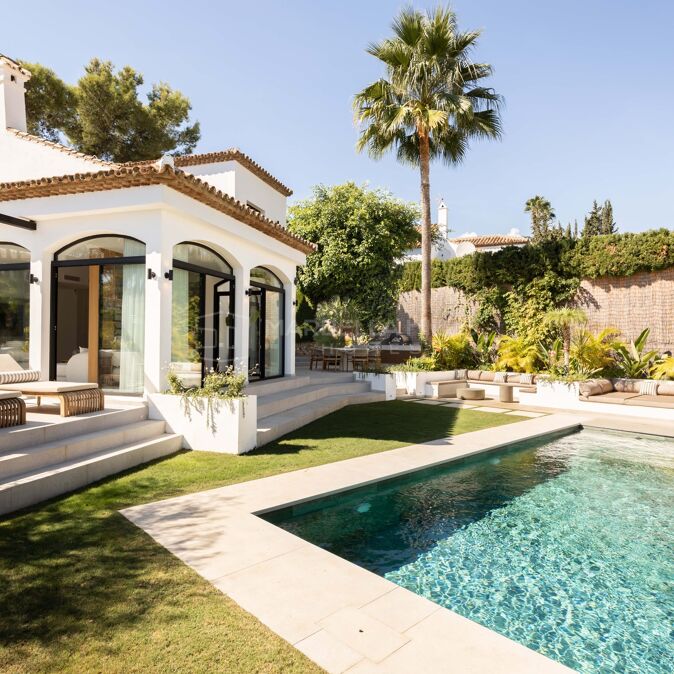
Renovated 3-bedroom apartment in Sol y Paz, Nueva Andalucía, walking distance to Puerto Banús
Sol y Paz, Nueva Andalucia €849,000This newly renovated three-bedroom apartment is set in Sol y Paz, a small, well-run gated community in the heart of…
- View Property

Renovated 4-bedroom ground floor duplex frontline Los Naranjos Golf, Alcores del Golf, Nueva Andalucía
Alcores del Golf, Nueva Andalucia €2,475,000Vista Verde is a fully renovated ground floor duplex in Alcores del Golf, one of Nueva Andalucía's most established gated…
- View Property
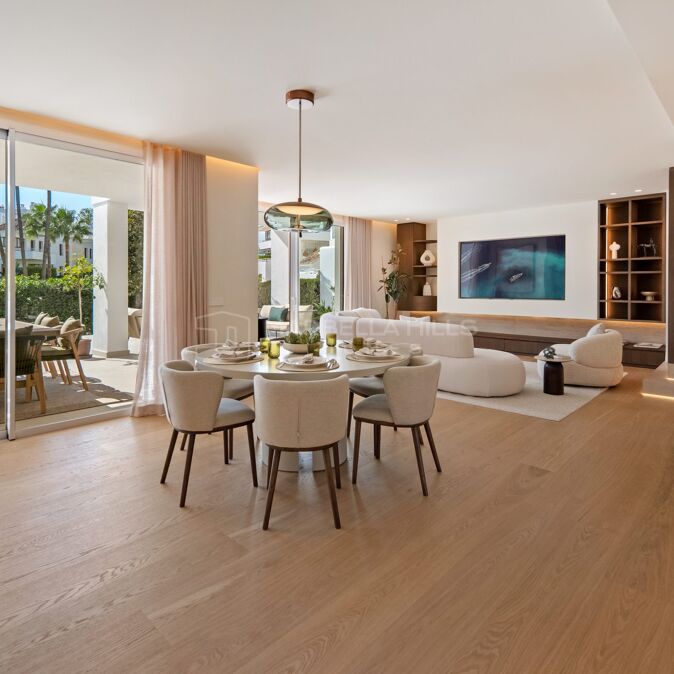
Renovated duplex penthouse with sea views in Monte Paraíso, Marbella Golden Mile
Monte Paraiso, Marbella Golden Mile €2,700,000This fully renovated three-bedroom duplex penthouse is set in Monte Paraíso, one of the most sought-after gated communities in Las…
- View Property
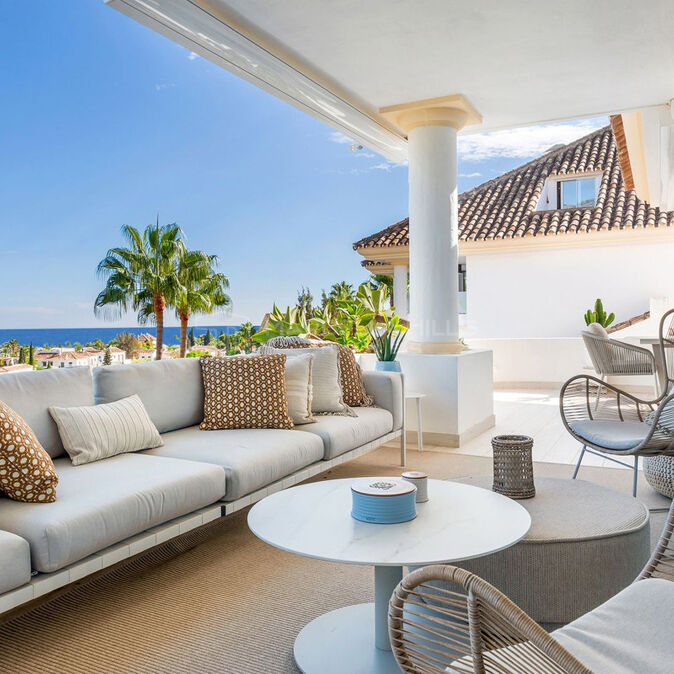
Duplex penthouse with La Concha views in River Garden, Las Brisas, Nueva Andalucía
River Garden, Nueva Andalucia €995,000This spacious duplex penthouse in River Garden, a well-kept residential community in Las Brisas, Nueva Andalucía, offers open views over…
- View Property
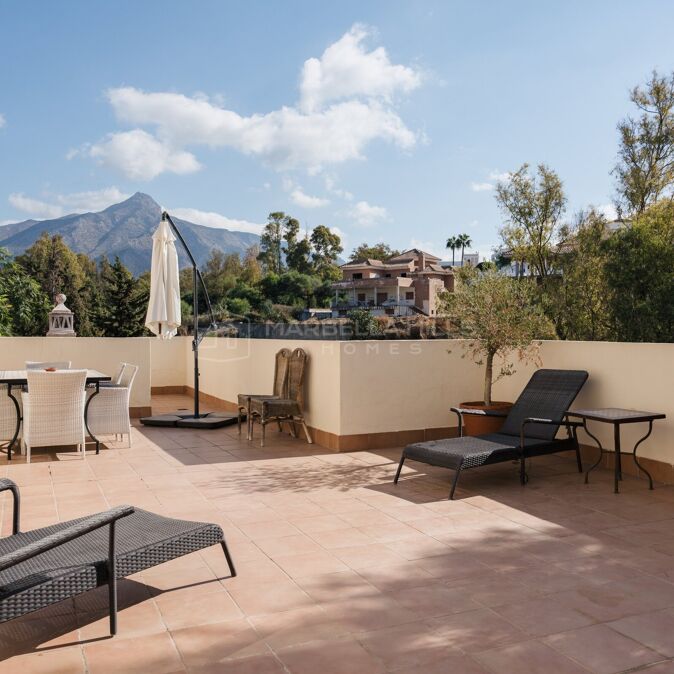
Contemporary three bedroom townhouse with lift and rooftop terrace in Vistas Marinas, Sierra Blanca
Vistas Marinas, Marbella Golden Mile €2,300,000A contemporary townhouse in Vistas Marinas, Sierra Blanca on Marbella's Golden Mile, minutes from Marbella Club, Puente Romano, the beach,…
- View Property
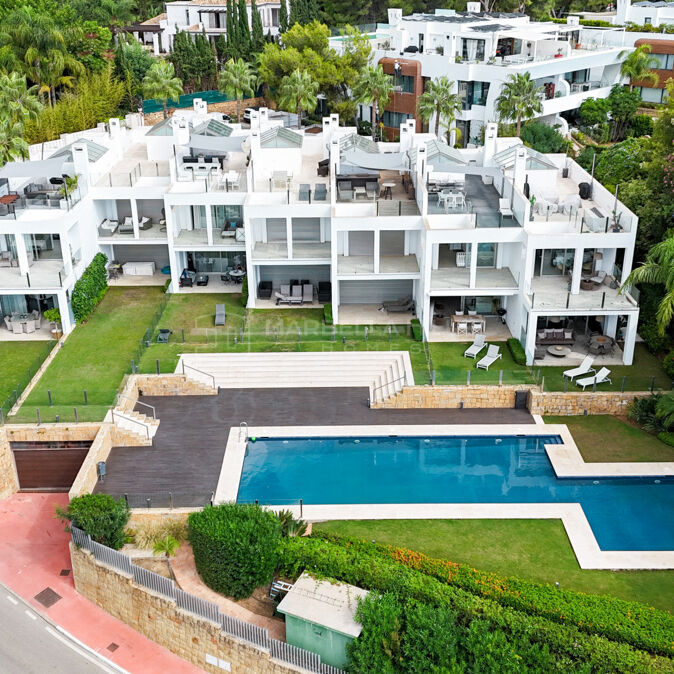
Three bedroom townhouse with La Concha views near Puerto Banús
Nueva Andalucia, Marbella €847,000A bright three bedroom townhouse in Los Torreros, a gated Andalusian-style community in Nueva Andalucía, a five-minute walk from Puerto…
- View Property

Two bedroom garden apartment in Las Mimosas, Puerto Banús
Las Mimosas, Puerto Banus Reduced from €825,000€750,000A spacious two bedroom, two bathroom ground floor apartment in Las Mimosas de Puerto Banús, a gated community within walking…
- View Property
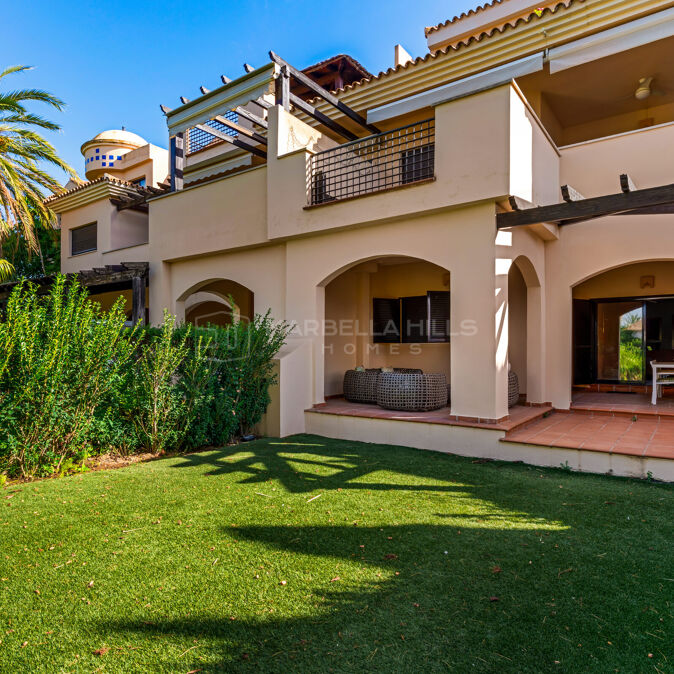
Andalusian villa on a double plot, second line beach in Los Monteros, Marbella East
Los Monteros Playa, Marbella Este €7,500,000Just steps from the Mediterranean Sea, in one of Marbella's most prestigious beachside enclaves, this exceptional Andalusian villa presents a…
- View Property
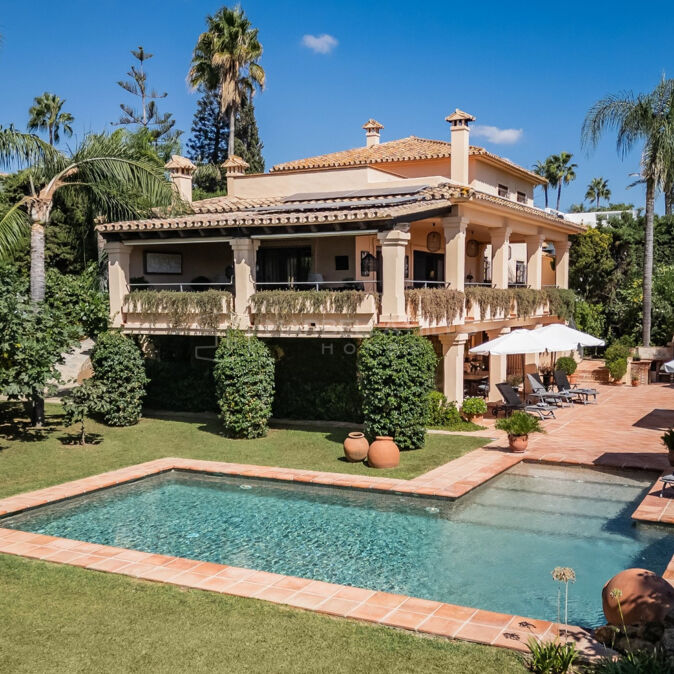
Contemporary 5 bedroom villa with sea views in La Finca de Marbella
La Finca de Marbella, Marbella Este €2,995,000A contemporary villa completed in 2023 in La Finca de Marbella, a gated community in Marbella East, with views over…
- View Property
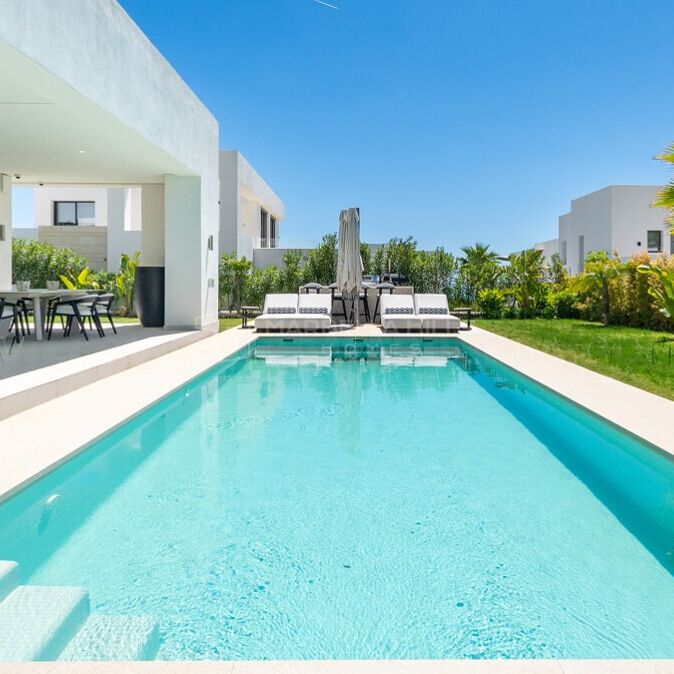
€2,445,000A fully renovated apartment in Los Monteros Palm Beach, a gated beachside community in Marbella East with direct access to…
- View Property
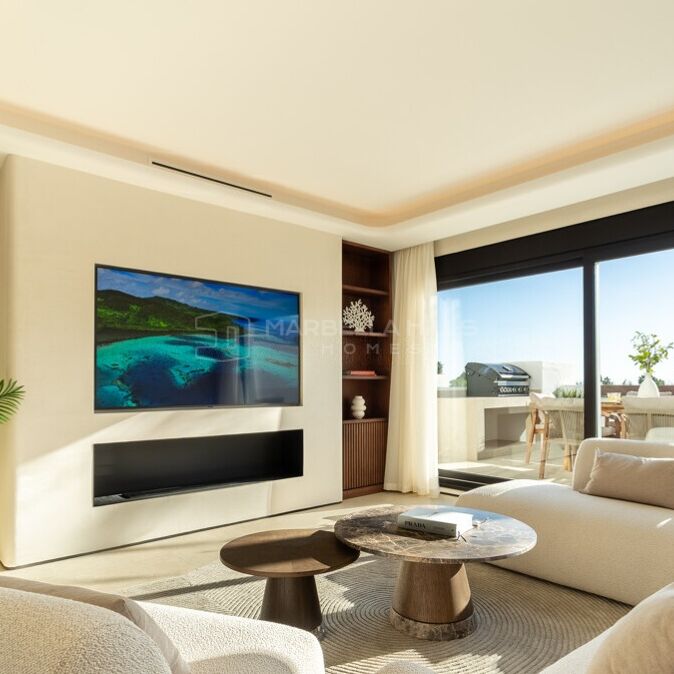
Contemporary 4-bedroom townhouse with roof terrace and panoramic views in Nueva Andalucía
Nueva Andalucia, Marbella €1,195,000Set in a gated community in upper Nueva Andalucía, this contemporary townhouse combines modern interiors with sweeping views over the…
- View Property
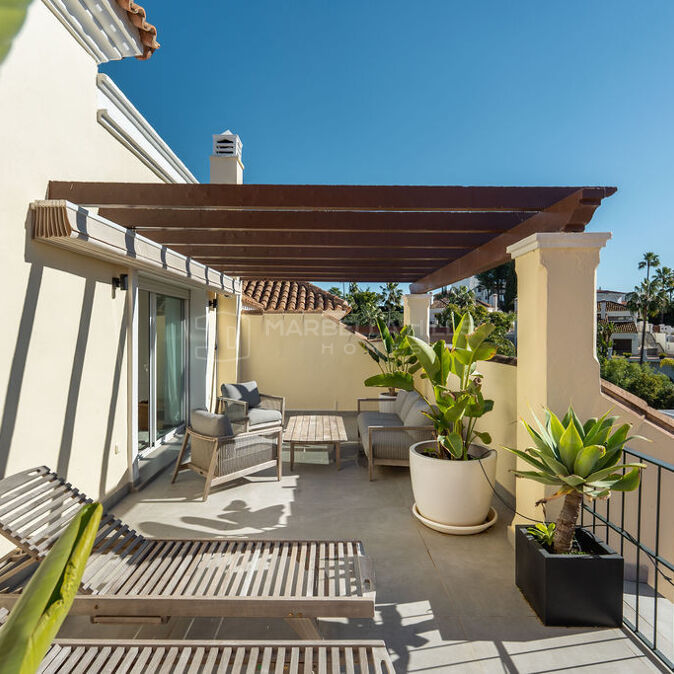
Exclusive Luxury Villa for Sale in Nueva Andalucía, Marbella
Nueva Andalucia, Marbella €6,950,000Tucked away in a quiet cul-de-sac in the heart of Nueva Andalucía, Marbella's prestigious Golf Valley, Villa Èlan is an…
- View Property

Six-bedroom contemporary villa with 12-car garage in Parcelas del Golf, Nueva Andalucía
Parcelas del Golf, Nueva Andalucia €7,200,000Paris 57 is a bold, contemporary six-bedroom villa in Parcelas del Golf, a discreet residential community with 24-hour security in…
- View Property
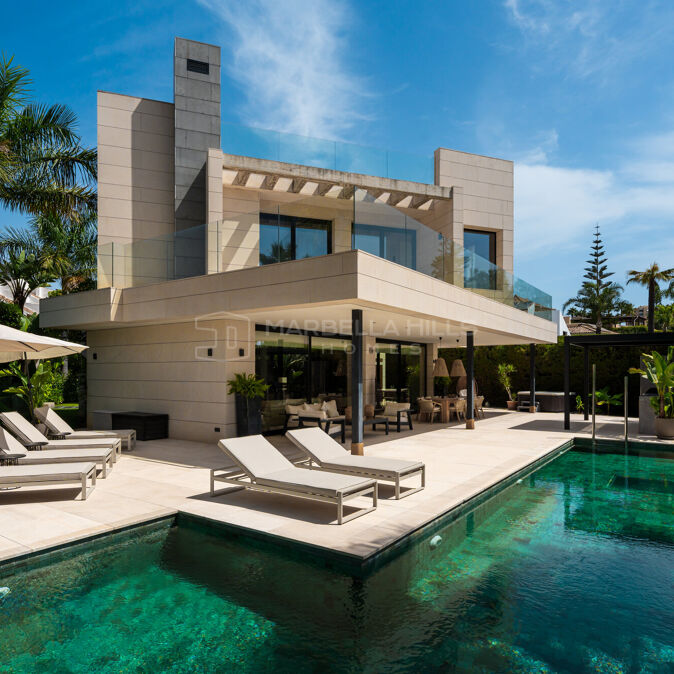
New Penthouse with Private Rooftop Pool and Sea & Golf Views for Sale in Soul Marbella
Santa Clara, Marbella Este €1,495,000Brand new and ready to move into, this two-bedroom penthouse sits in one of the best-positioned blocks of Soul Marbella,…
- View Property
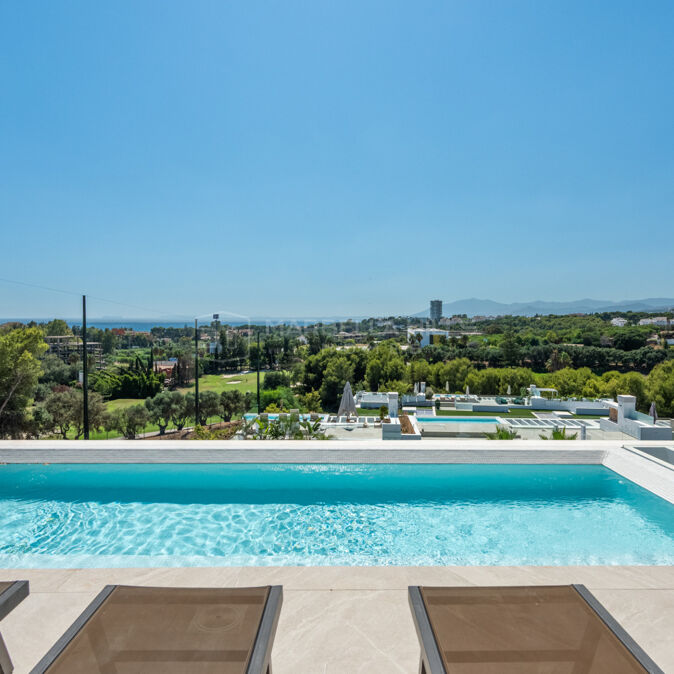
Beautifully Renovated 2 bedroom Apartment for sale in Balcones de Puente Romano, Marbella Golden Mile
Balcones de Puente Romano, Marbella Golden Mile €1,590,000Located within the prestigious Balcones de Puente Romano residential community on Marbella's iconic Golden Mile, this beautifully renovated two-bedroom apartment…
- View Property
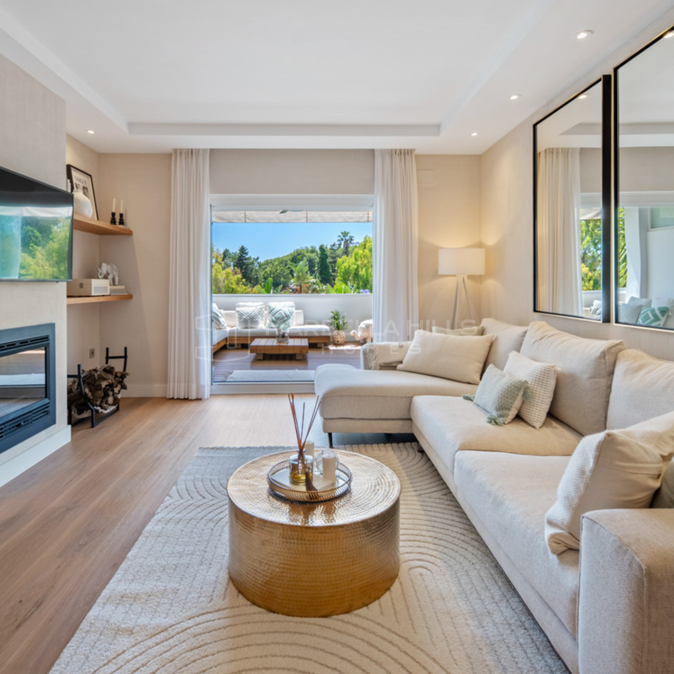
Exclusive Luxury Villa for Sale in La Mairena with Panoramic Sea Views and 7,793 m² Estate
La Mairena, Marbella Este €2,800,000Set within the beautiful natural surroundings of La Mairena, in the hills above Elviria in East Marbella, this exceptional five-bedroom…
- View Property
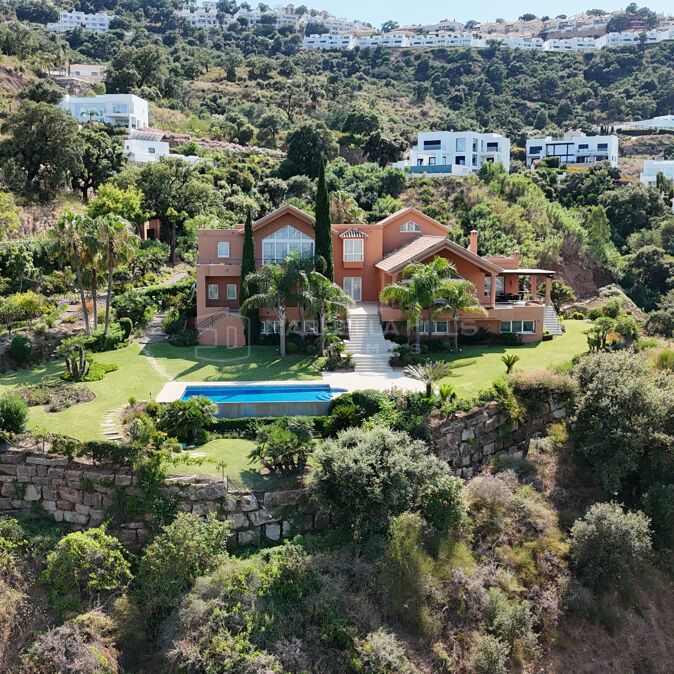
Renovated 2-Bedroom Apartment for Sale in Puente Romano II, Marbella Golden Mile
Marina Puente Romano, Marbella Golden Mile €2,295,000Discover this beautifully renovated ground-floor apartment for sale in Puente Romano II, one of the most desirable residential developments on…
- View Property

Spacious Five-Bedroom Villa with Panoramic Coastal Views in El Rosario, Marbella East
El Rosario, Marbella Este €3,100,000Enjoying an elevated position in the established residential area of El Rosario, Marbella East, this impressive five-bedroom detached villa offers…
- View Property
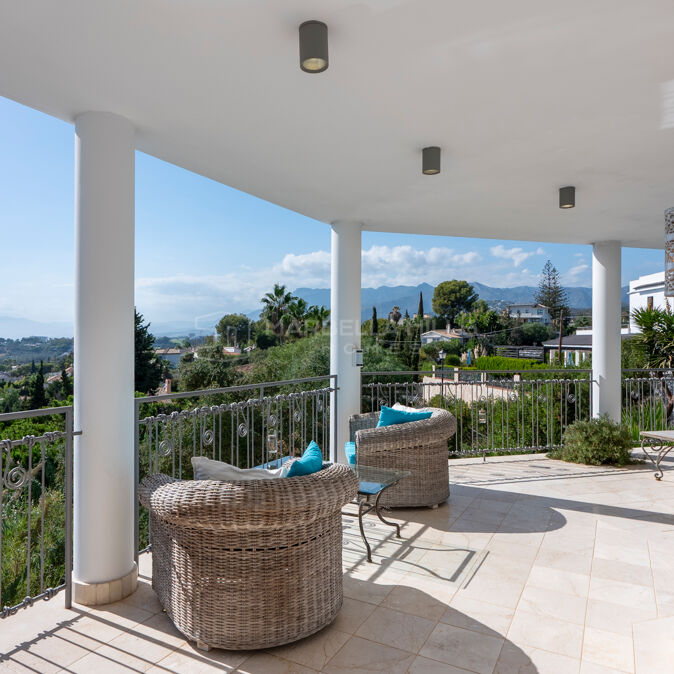
Duplex Penthouse with Panoramic Sea Views in Les Belvederes, Nueva Andalucía
Les Belvederes, Nueva Andalucia €2,475,000Situated within the prestigious gated community of Les Belvederes in Nueva Andalucía, this exceptional three-bedroom duplex penthouse combines contemporary elegance,…
- View Property
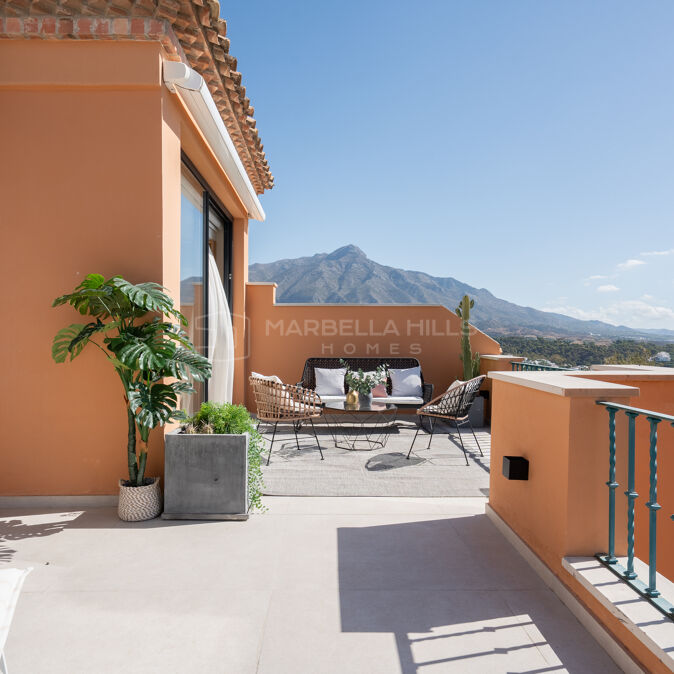
Exceptional Contemporary Luxury Villa Under Construction in Nueva Andalucía, Marbella
Nueva Andalucia, Marbella €5,990,000Discover an exceptional contemporary luxury villa for sale in Nueva Andalucía, ideally positioned in Marbella's prestigious Golf Valley, just minutes…
- View Property
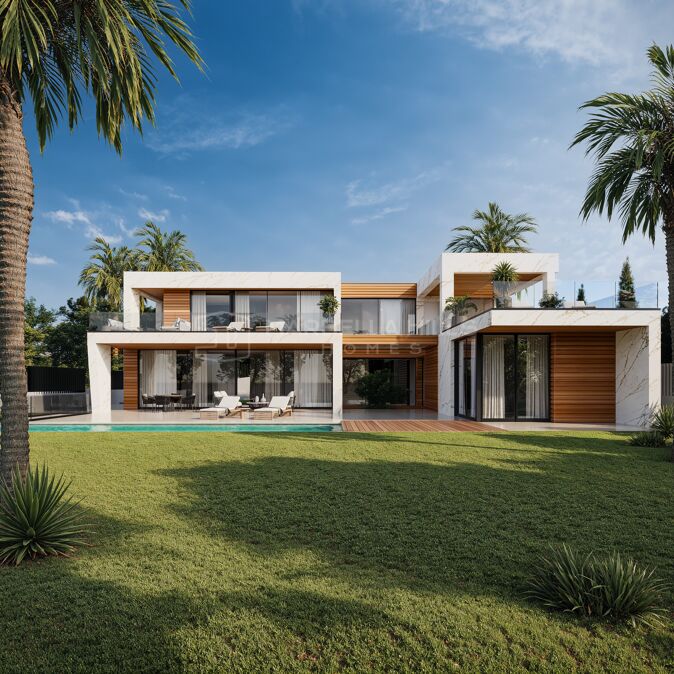
Fully Renovated Villa with Sea Views for Sale in Elviria, Marbella East
Elviria, Marbella Este €2,750,000This beautifully renovated five-bedroom villa for sale in Elviria, Marbella East offers contemporary Mediterranean living in one of the area’s…
- View Property
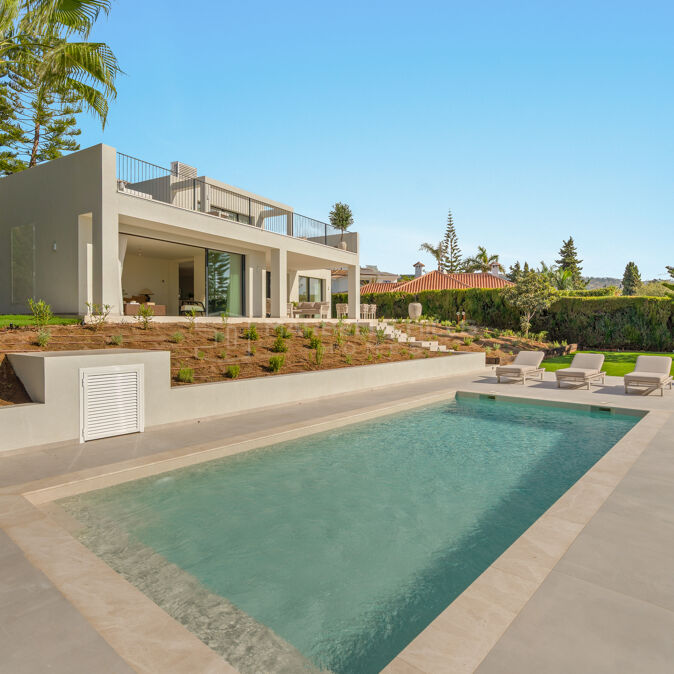
Contemporary 5 bedroom Villa for Sale in a Gated Community in Nueva Andalucía, Marbella
Nueva Andalucia, Marbella €4,295,000Located in the exclusive gated community of Haza del Conde, in the heart of Nueva Andalucía’s prestigious Golf Valley, this…
- View Property

Renovated 3-Bedroom Duplex Penthouse for Sale in Monte Paraíso, Marbella Golden Mile
Monte Paraiso, Marbella Golden Mile €3,000,000This beautifully renovated three-bedroom duplex penthouse is located in Monte Paraíso, one of the most established and prestigious gated communities…
- View Property
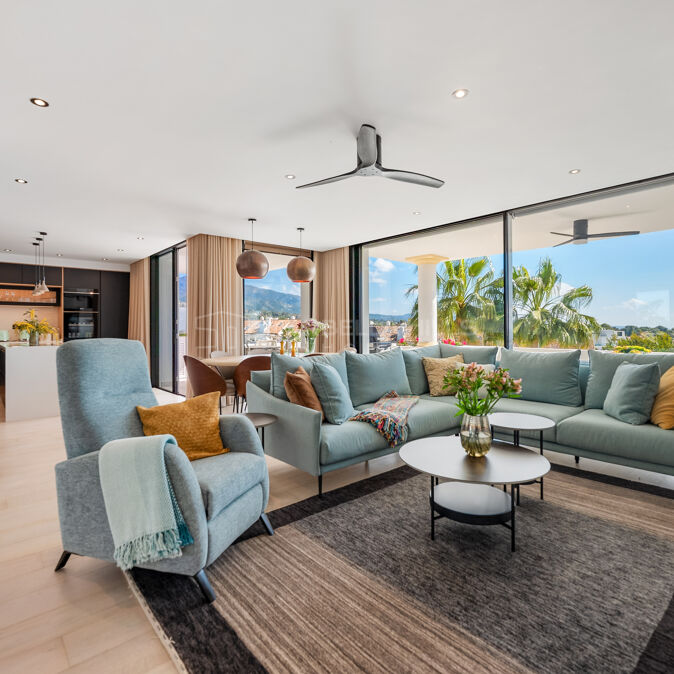
Renovated Apartment for Sale on Marbella’s Golden Mile in Las Terrazas de Las Lomas del Marbella Club
Las Terrazas de Las Lomas, Marbella Golden Mile €1,190,000This beautifully renovated apartment for sale on Marbella’s Golden Mile is located in Las Terrazas de Las Lomas del Marbella…
- View Property